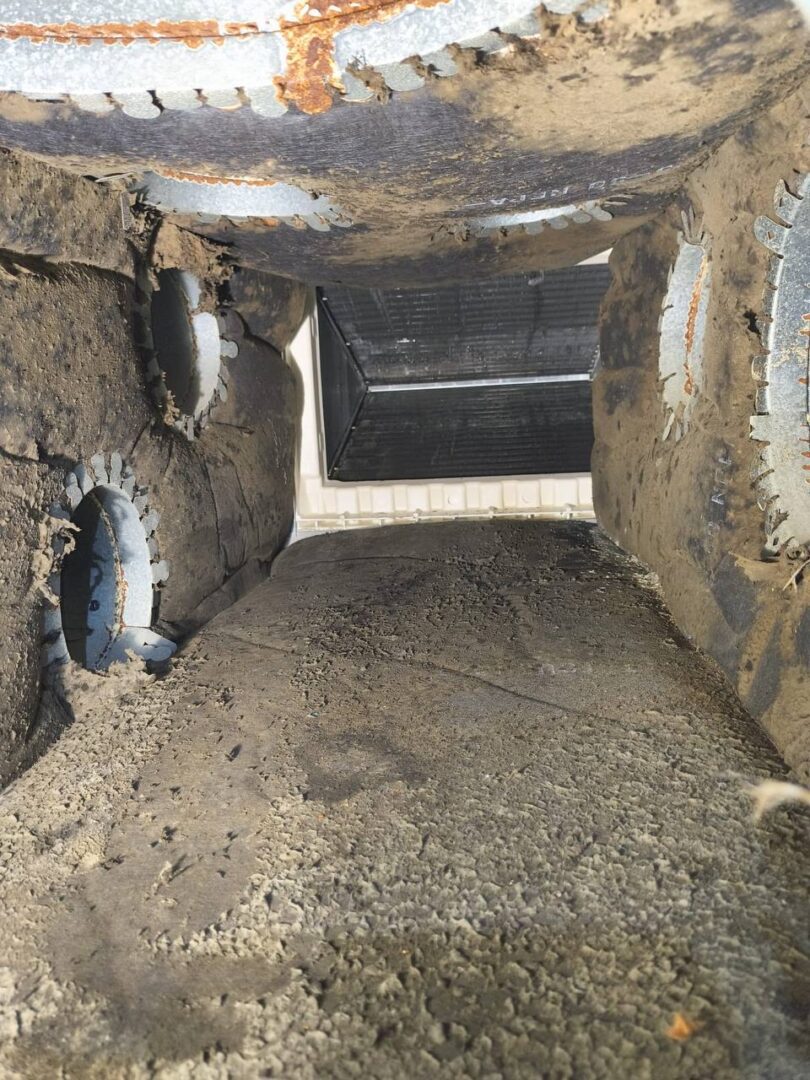
Black dust from air vents in Houston homes is typically a combination of soot from vehicle exhaust, mold spores from high humidity, lint particles, and debris accumulation inside your ductwork. When your HVAC system operates, it circulates these contaminants through every room. Here is what you need to know: Related: How to Prevent Mold in Air Ducts in Houston: 5 Strategies for High-Humidity Climates
- Soot particles — From nearby traffic, highway proximity, or combustion appliances
- Mold spores — Houston’s 75%+ average humidity creates biological growth inside duct surfaces
- Lint and textiles — Fibers from clothing, bedding, and carpet that enter return vents
- Duct degradation — Aging ductwork can shed insulation and adhesive residue
What Is Black Dust?
Black dust is typically a combination of several indoor contaminants: dust particles that have oxidized and darkened over time, carpet fibers and textile lint drawn into return vents, soot particles from candles, cooking, or gas appliance combustion, mold spores accumulated on damp surfaces inside ductwork, and rubber particles from shoes and tires that enter through exterior doors.
Why Houston Homes Are Especially Affected
Houston extended eight-month-plus cooling season means your HVAC system operates continuously, pulling air through ductwork and depositing particles on interior surfaces at a rate significantly higher than homes in four-season climates. High humidity above 75 percent promotes biological growth — including mold — on interior duct surfaces that produce dark-colored spore masses.
How to Eliminate It
Surface cleaning the visible black dust only addresses the symptom. The source — accumulated contamination inside your ductwork, evaporator coil, and plenum box — requires professional source removal cleaning that addresses all 8 HVAC components: return ducts, evaporator coils, blower fan, heating chamber, plenum box, supply ducts, register boxes, and grills.
After professional cleaning, most homeowners do not see black dust for several years.
[Book a Free Inspection](https://crm.ahchooindoorair.com/book)
AH-CHOO! Indoor Air Quality serves Houston, Austin, San Antonio, and South Louisiana. NADCA certified. Average job time: 7 hours. 8 components cleaned every service. 38 years of experience.
Related: Mold Remediation in Baton Rouge: Why Indoor Humidity Starts in Your Ducts
Related: Air Duct Cleaning Before Selling a House in Houston: A Pre-Sale Strategy That Works.
Related: Air Duct Cleaning for Pet Owners in Houston: Why Fur-Filled Air Ducts Need Professional Attention.
Related: What Home Inspectors Look For in HVAC Systems: A Buyer’s Guide to Air Quality in Real Estate.
Related: Air Duct Cleaning After Home Renovation in Houston: Why Post-Construction HVAC Cleaning Matters.
Related: Austin Cedar Fever and Your HVAC System: How Air Duct Cleaning Breaks the Allergy Cycle.
Related: How Air Duct Cleaning Improves HVAC Efficiency and Lower Energy Bills in Houston.
Need the full Houston game plan? Start with our Houston air duct cleaning page for the complete 7-hour, 8-component process. If mold is part of the problem, review our Houston mold remediation service. For the full residential scope, see our residential air duct cleaning process.
Related: Air Duct Cleaning for Allergy Sufferers in Houston: What Actually Reduces Indoor Symptoms.
Related: Hurricane Season Mold Prevention: Protecting Your Houston HVAC System Before the Storm.
Related: Post-Construction HVAC Cleaning in Austin: What New Buildowners Need to Know.
Related: Air Duct Cleaning Before Selling Your Houston Home: What the Inspection Report Actually Requires.
Related: Austin’s Rapid Growth and What It Means for Your Home’s HVAC System.
Related: Commercial Air Duct Cleaning in Austin: Why Property Managers Need a HVAC Maintenance Strategy.
Related: Does Air Duct Cleaning Actually Reduce Allergies? The Evidence-Based Answer.
Related: How Often Should Houston Homeowners Clean Their Air Ducts: The Definitive Schedule.
Related: Commercial HVAC Coil Cleaning in Houston: Why Your Building’s AC Efficiency Is Costing You Money.
Related: Houston vs. Austin: Comparing Air Duct Cleaning Needs Across Texas’s Two Largest Markets.
Related: How Professional Air Duct Cleaning Works: The Step-by-Step Process From Start to Finish.
Related: How to Choose an Air Duct Cleaning Company in Houston: What NADCA Certification Actually Means.
Related: HVAC Evaporator Coil Cleaning in Houston: Why the Coils Matter More Than the Ducts.
Related: Air Duct Cleaning in Baton Rouge and South Louisiana: What Humidity Does to Your HVAC System.
Related: Air Duct Cleaning in Sugar Land and Fort Bend County: Growing Suburbs Need HVAC Maintenance Too.
Related: The 8 HVAC Components Professional Air Duct Cleaning Actually Cleans (And Why Each One Matters).
Related: The Real Cost of Dirty Air Ducts in Houston: What Neglected HVAC Systems Actually Cost You.
Related: What Causes Mold in Air Ducts in Houston: The Scientific Breakdown.
Related AH-CHOO resources: schedule a free inspection.