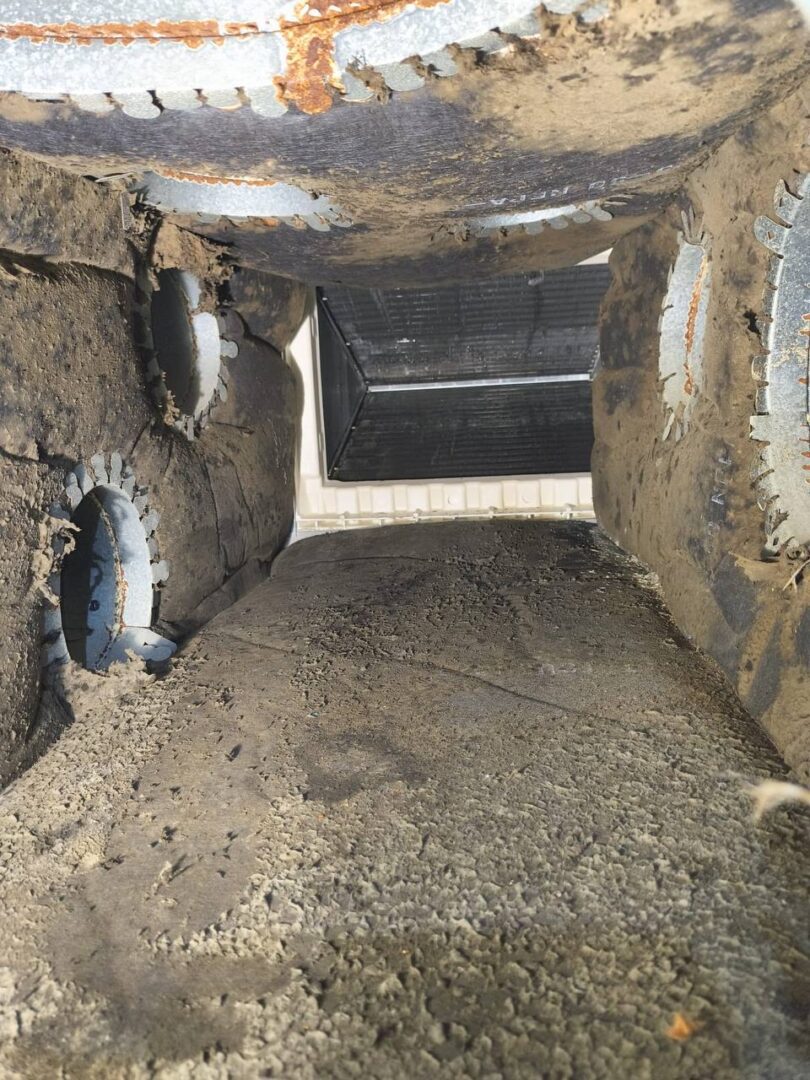
Most homeowners have never seen what a professional air duct cleaning actually involves. The industry has a significant credibility problem — “duct cleaning specials” that take 45 minutes and clean only the supply vents have given the industry a bad reputation. This guide explains exactly what a thorough, NADCA-certified professional cleaning includes and why the process takes approximately 7 hours for a typical residential system.
Why “45-Minute Specials” Aren’t Real Cleaning
Companies that advertise “budget duct cleaning” or “complete system cleaning in under an hour” are typically using truck-mounted vacuums applied only to supply vent registers — the visible grilles in your ceilings or walls. This approach:
- Doesn’t touch the return duct system where the highest contamination accumulates
- Doesn’t address the evaporator coil, which is the most critical efficiency component
- Doesn’t reach the supply duct branches that run through attics, crawlspaces, or walls
- Doesn’t clean the blower wheel, plenum, or heating chamber
A real air duct cleaning addresses all 8 HVAC components in your home. The 45-minute special cleans the equivalent of vacuuming the dust from your car dashboard and calling it a full detail.
The NADCA Process: What Professional Source Removal Actually Involves
### Step 1: Pre-Inspection and Documentation
Before any cleaning begins, a NADCA-certified technician documents the system’s starting condition. This includes:
- Photographing visible contamination at supply and return registers
- Inspecting accessible portions of the return duct interior
- Evaluating the evaporator coil condition through the air handler access panel
- Checking the drain pan and condensate drain for proper function
- Photographing the blower wheel through the blower compartment access
This documentation serves two purposes: it establishes the baseline condition of the system and provides evidence of what was found if the customer has questions about why cleaning was recommended.
### Step 2: Negative Pressure Creation (The Key to Effective Cleaning)
Professional equipment creates negative pressure inside the ductwork system — essentially turning the entire duct network into a continuous vacuum hose. This negative pressure prevents released contaminants from escaping into the living space during agitation.
All supply and return registers are sealed during this process. The negative pressure machine connects to the duct system at the air handler, and as the technician agitates debris from interior duct surfaces, the vacuum captures everything before it can circulate into the home.
This is why the process takes time — proper negative pressure requires sealing every register and branch, not just the main points of access.
### Step 3: Component-by-Component Agitation and Extraction
With negative pressure established, the technician works through each of the 8 components systematically:
Supply ducts: Using rotating brushes and air whips, the technician agitates accumulated debris from interior duct surfaces. The negative pressure captures the dislodged material as it releases. This is done at every accessible supply branch throughout the home.
Return ducts: The return side typically carries the highest concentration of contaminants because it pulls air from living spaces. Agitation here releases dust, pet dander, and biological material that’s accumulated on interior surfaces.
Evaporator coil: The coil is cleaned using a specialized low-pressure wash process that won’t damage fins but removes the biological buildup that reduces heat transfer. Chemical sanitizers are applied after cleaning to inhibit future growth.
Blower wheel: The most commonly neglected component. Pet hair, dust, and debris wrap around blower blades and the wheel housing. Agitation tools are used to dislodge this material while the negative pressure system captures it.
Plenum box: The main supply collection box is accessed and cleaned using hand tools and extraction equipment sized for the larger chamber.
Heating chamber: For systems with gas or electric heating elements, the heating chamber is cleaned to remove dust that accumulates during the heating season.
Register boxes and grilles: All supply and return fixtures are removed, cleaned of accumulated debris, and reinstalled. In many homes, this alone reveals the level of contamination that had accumulated.
### Step 4: Post-Cleaning Inspection and Verification
After all components are cleaned, the technician performs a final verification:
- Visual confirmation that interior duct surfaces are free of visible contamination
- Inspection of the evaporator coil to confirm cleaning effectiveness
- Verification that all debris has been captured by the vacuum system
- Documentation photographs of post-cleaning condition
### Step 5: System Restart and Customer Education
The system is restarted and the technician walks the customer through what was found, what was cleaned, and any recommendations for ongoing maintenance. This includes filter upgrade suggestions, filter change frequency, and signs that indicate when the next cleaning should be scheduled.
What the 7-Hour Timeline Actually Covers
For an average-sized Houston-area home (1,500-2,500 square feet), a professional cleaning addressing all 8 components requires approximately 7 hours of technician time. This includes:
- Setup and equipment staging: 45 minutes
- Pre-inspection documentation: 30 minutes
- Negative pressure setup and sealing: 45 minutes
- Supply duct cleaning: 60-90 minutes
- Return duct cleaning: 60-90 minutes
- Evaporator coil cleaning: 45-60 minutes
- Blower wheel cleaning: 45 minutes
- Plenum and heating chamber: 30 minutes
- Register box and grille cleaning: 30-45 minutes
- Cleanup and verification: 30 minutes
The 7-hour timeline assumes typical contamination levels. Homes with severe contamination, multiple pets, or evidence of biological growth may require additional time.
AH-CHOO! Indoor Air Quality serves Houston, Austin, San Antonio, and South Louisiana. NADCA certified. Average job time: 7 hours. 8 components cleaned every service. 38 years of experience.
[Schedule Your Professional Duct Cleaning](https://crm.ahchooindoorair.com/book)
Frequently Asked Questions
How does professional air duct cleaning work?
Professional air duct cleaning uses source-removal methods. A technician first performs a pre-inspection and documents the system’s condition. High-powered vacuum equipment connected to the ductwork creates negative pressure, turning the entire duct network into a continuous vacuum. Each of the 8 HVAC components is then cleaned individually using specialized tools while the vacuum captures debris at the source.
How long does professional air duct cleaning take?
For a typical 1,500-2,500 square foot home, a thorough professional cleaning addressing all 8 HVAC components takes approximately 7 hours of technician time. Homes with severe contamination, multiple pets, or evidence of biological growth may require additional time.
What is the difference between professional duct cleaning and a budget service?
Budget services typically apply a vacuum only to supply vent registers and do not address the return ducts, evaporator coil, blower wheel, or other critical HVAC components. Professional source-removal cleaning addresses all 8 components and meets NADCA standards.
What components are cleaned during professional air duct cleaning?
A NADCA-certified cleaning addresses all 8 HVAC components: supply ducts, return ducts, the evaporator coil, the blower wheel, the supply plenum, the return plenum/heating chamber, register boxes, and grilles/diffusers.