Mold Remediation That Removes the Problem Instead of Covering It Up
Most mold remediation companies make money from your fear. They show up, tell you the contamination is everywhere, quote you an enormous number, and spray bleach on visible surfaces. Bleach on mold is not remediation. It is cosmetic. The mold comes back, often faster, because the moisture conditions that caused it were never addressed.
AH-CHOO! has been doing mold remediation across Texas and the Gulf South for 38 years. In a region where humidity is a permanent condition and flooding events are a recurring reality, we have seen every type of mold problem a property can have. We assess honestly, remove completely, and tell you what actually needs to happen — even when that answer is less expensive than you feared.
Where Mold Hides in Gulf South Properties
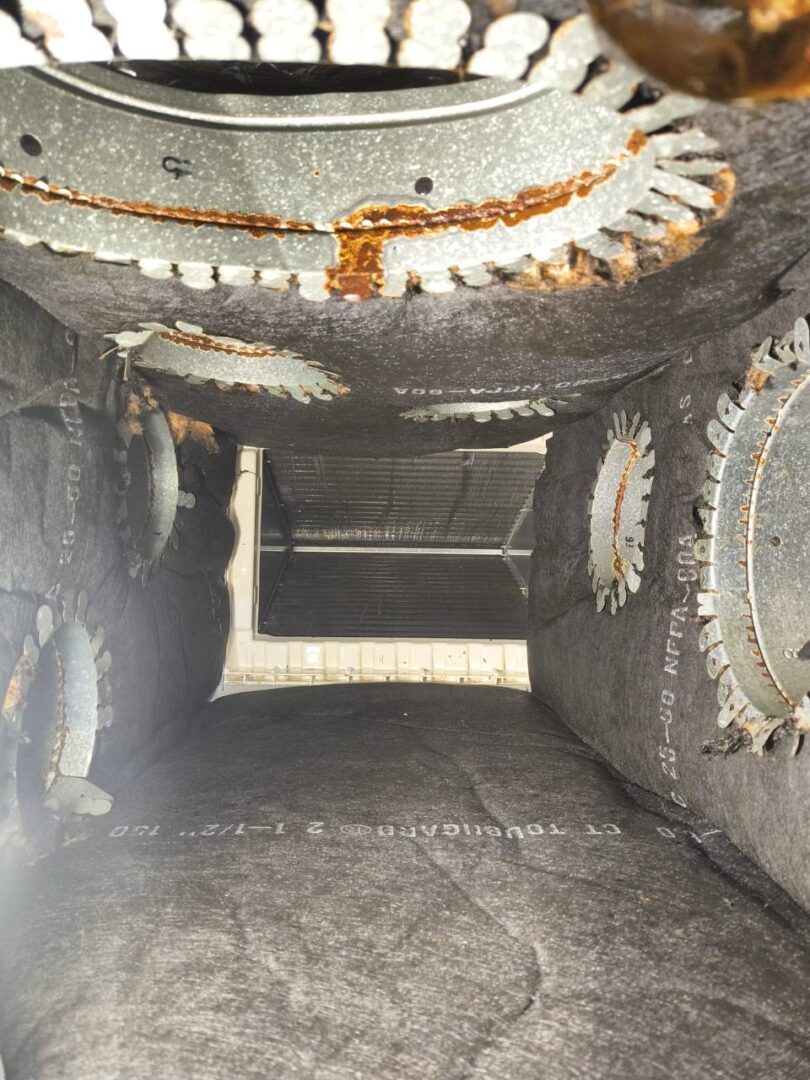
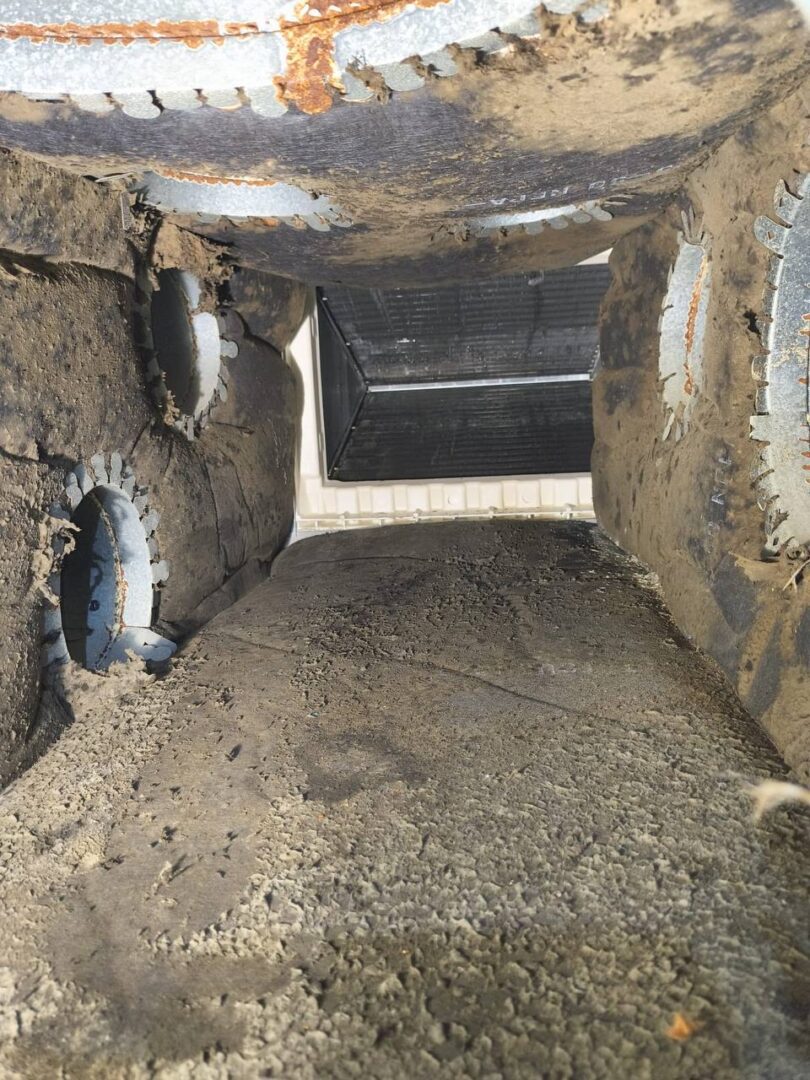
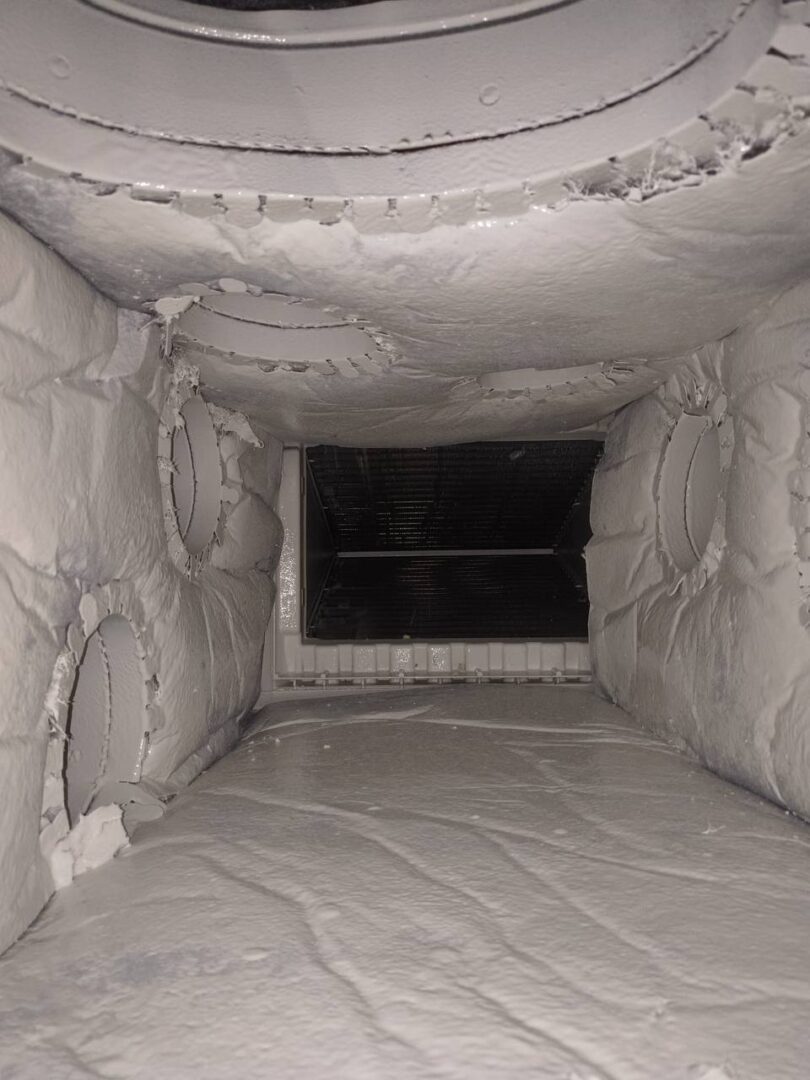
- HVAC systems and ductwork — the most dangerous location because contamination spreads to every room with every cycle
- Air handler units and drain pans — standing water in drain pans is one of the most common mold sources in Houston, Austin, and Louisiana homes
- Attic spaces — inadequate ventilation and roof leaks create ideal conditions for mold growth on sheathing and joists
- Crawlspaces — ground moisture and poor vapor barrier installation lead to systemic contamination that affects the entire structure
- Wall cavities after flooding or leaks — water intrusion behind drywall creates invisible growth that stays hidden until the smell gives it away
- Bathrooms and utility rooms — surface mold that often indicates deeper moisture problems inside the wall assembly
If you are dealing with mold issues in Austin, our local team provides professional mold remediation services.
If you are dealing with mold issues in Baton Rouge, our local team provides professional mold remediation services.
If you are dealing with mold issues in New Orleans, our local team provides professional mold remediation services.
The Difference Between Remediation and Mold Removal Theater
Legitimate mold remediation follows a specific protocol. Assessment to identify all contamination. Containment to prevent spreading during removal. Source removal using HEPA filtration and appropriate agitation. Treatment of affected surfaces. Verification that the contamination is gone. Documentation of completed work.
What many companies call mold remediation is a surface wipe with antimicrobial spray and a receipt. It looks like something happened. It is not remediation. Within weeks or months, the growth returns because nothing structural changed and nothing was actually removed.
We follow NADCA protocols for system contamination and IICRC S520 standards for broader mold remediation work. Both of these are verifiable standards, not marketing language. We can explain exactly what standard applies to your situation and exactly what the work involves.
NADCA and IICRC: Why Both Matter
Most HVAC companies know NADCA. Most mold remediation companies know IICRC S520. Very few know both — and mold in HVAC systems sits at the intersection of both standards. When mold is present in your ductwork, you need a company that understands source removal from the air system perspective, not just the structural surface perspective. We hold both certifications and apply both standards.
Gulf South Mold: A Specific Problem
The Gulf South is not like drier regions where mold is an occasional problem after a specific water event. Humidity in Houston, New Orleans, Baton Rouge, and surrounding areas is a permanent operating condition. Mold does not need a flood to grow here. It needs a few weeks of stagnant air, a minor moisture source, and a surface to colonize. Properties in this region need mold remediation executed to a higher standard because the conditions that caused the problem never fully go away. Proper remediation removes what is there and puts conditions in place that slow regrowth as much as the environment allows.
Frequently Asked Questions
How do I know if I have mold in my HVAC system?
The most common signs are musty odors when the system runs, visible black or dark spots around vents or registers, allergy symptoms that are worse indoors than outside, and a visible buildup on the inside of vent covers. The only way to know for certain is a professional inspection. We offer free inspections with no pressure to proceed if the findings do not warrant it.
Is mold in ductwork dangerous?
Yes. Mold in HVAC ductwork is particularly serious because the system continuously distributes contaminated air to every room. Exposure to airborne mold spores can cause respiratory symptoms, allergy flareups, and in cases of heavy exposure to certain species, more serious health consequences. The risk varies by species and concentration, which is why honest assessment matters more than generic scare tactics.
What is the difference between mold removal and mold remediation?
Mold removal is physical cleaning of visible mold growth. Mold remediation is the complete process: assessment, containment, source removal, treatment, verification, and documentation. Removal without remediation does not address the conditions that allowed growth or confirm the contamination is fully gone.
Can mold come back after remediation?
If the moisture source that caused the mold is not addressed, mold will return regardless of how well the remediation was executed. Proper remediation identifies the moisture source and provides specific recommendations to address it. We do not remediate without explaining what caused the problem and what is needed to prevent recurrence.
How long does mold remediation take?
Most residential mold remediation jobs take approximately seven hours. AH-CHOO! does one job per day per crew, so your property receives full attention without being rushed. Larger properties or cases with extensive contamination may require additional sessions.
Do you serve commercial properties for mold remediation?
Yes. We remediate mold in commercial office buildings, retail spaces, restaurants, rental properties, and multi-unit residential facilities. Commercial mold remediation follows the same NADCA and IICRC S520 standards as residential work, with additional documentation for compliance and insurance purposes.
Related resources:
- Attic Duct Mold in Houston — Causes & Solutions
- Black Mold in Air Vents Houston — What to Do
- Condensation in Air Ducts — Mold Risk Guide
- Gulf Coast Humidity and Air Duct Mold Risk
Ready to learn more? See our Air Duct Cleaning Pricing and Process — transparent pricing, no hidden fees, NADCA-certified service.

