South Louisiana Air Duct Cleaning: Built for the Hardest Climate in America
No region in the continental United States combines heat, humidity, and biological growth conditions the way South Louisiana does. New Orleans, Baton Rouge, Slidell, Metairie, Kenner, and the surrounding parishes sit in a climate where average humidity stays above 75 percent for most of the year and indoor temperatures make HVAC systems run almost continuously. That is an ideal environment for microbial growth inside ductwork — and a devastating environment for homeowners who have been told a basic duct cleaning will hold for five years.
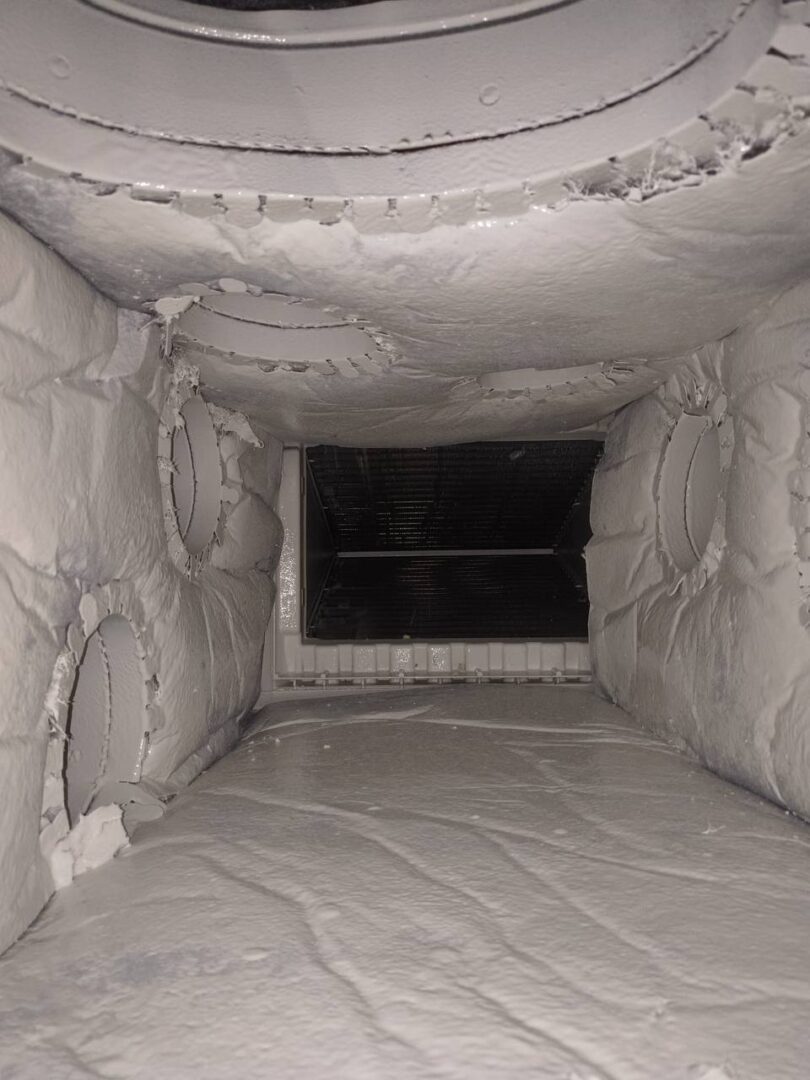
It will not. In this climate, duct contamination returns faster than anywhere else. Proper remediation, paired with anti-microbial treatment, is what gives Louisiana homeowners and property managers a cleaning that actually lasts.
AH-CHOO! has been serving South Louisiana for 38 years. We understand this climate because we work in it constantly. NADCA-certified source removal built for what Gulf South humidity actually does to HVAC systems.
What South Louisiana Does to Ductwork That Other Regions Do Not
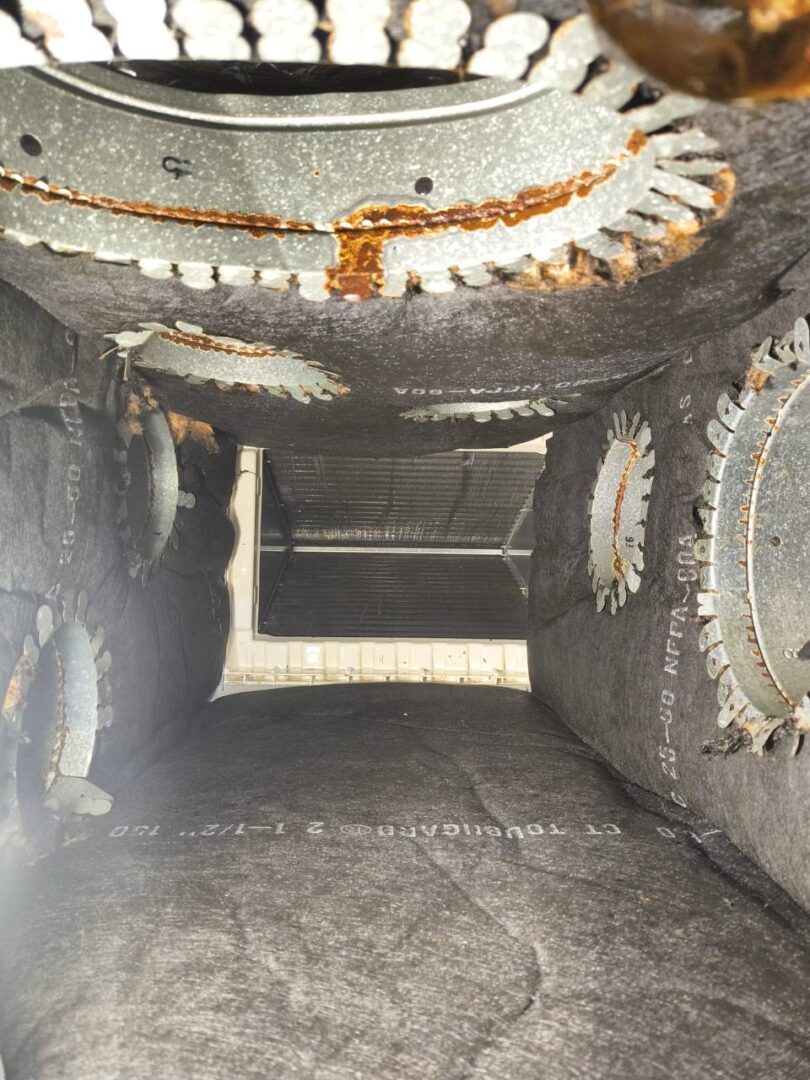
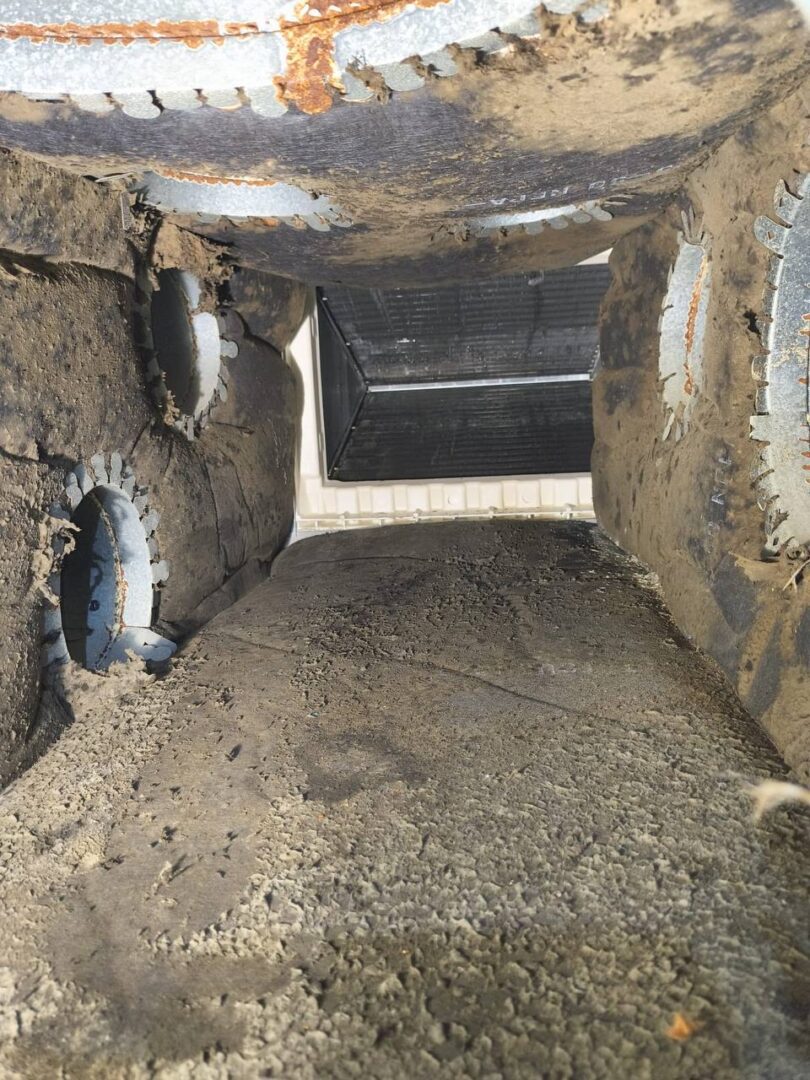
Ductwork in South Louisiana does not just accumulate dust. It accumulates moisture. That moisture feeds biological growth — mold, mildew, and bacteria that colonize duct surfaces, insulation, and coil components. Once established, microbial growth spreads spores through every room the system serves. Homeowners in this region with persistent musty odors, unexplained allergy symptoms, or visible dark deposits on vent covers are not imagining it. The system is contaminated, and standard cleaning without anti-microbial treatment addresses the contamination today but not the conditions that will allow it to return next season.
Post-Hurricane and Flood Recovery
South Louisiana homeowners know flooding. After any flooding event — whether from storm surge, drainage failure, or interior water intrusion — HVAC systems require professional cleaning before operation. Running a contaminated system after flooding distributes bacteria, sewage-contaminated dust, and mold spores through every room. This is not optional maintenance after a flood. It is a health requirement.
We have cleaned HVAC systems after every major Gulf Coast storm event for 38 years. We know what flood-contaminated systems look like and what proper post-event remediation requires.
Areas We Serve in South Louisiana
- New Orleans metro — Orleans, Jefferson, St. Tammany, and St. Bernard parishes
- Northshore communities — Slidell, Mandeville, Covington, Madisonville, and surrounding areas
- Baton Rouge and EBR Parish — Baton Rouge, Zachary, Central, Baker, and surrounding communities
- River parishes — Gonzales, Prairieville, Denham Springs, and the communities between Baton Rouge and New Orleans
- Houma-Thibodaux area — Lafourche and Terrebonne parishes
Why One Job Per Day Matters More in Louisiana
South Louisiana HVAC systems require more time, not less. The contamination loads are heavier. The anti-microbial application needs proper dwell time. The coil cleaning in high-humidity systems requires more thorough execution to actually address what has accumulated. A company doing three jobs in one day in this market is not cleaning systems properly. It is not physically possible to do this work correctly at that pace in a South Louisiana home.
Our technicians spend approximately 7 hours on every job — cleaning all 8 components of your HVAC system: return, coils, blower fan, heating chamber, plenum box, ducts, register boxes, and grills. Each component receives anti-microbial and anti-bacterial treatment. We do one job per day, take the time it requires, and do not rush anything.
Frequently Asked Questions
How often should South Louisiana homeowners clean their air ducts?
Every 2 to 3 years is appropriate for most South Louisiana homes given the climate. Homes that have experienced flooding, homes with visible mold around vents, or homes with persistent musty odors may need immediate service regardless of when the last cleaning occurred.
Does South Louisiana humidity make mold in ductwork more likely?
Yes, significantly. The combination of high ambient humidity, warm temperatures, and continuously running HVAC systems creates ideal conditions for microbial colonization inside ductwork. South Louisiana homes require anti-microbial treatment as a standard part of duct cleaning, not an optional upgrade.
Do you clean HVAC systems after flooding?
Yes. Post-flood HVAC cleaning is essential before operating any system that was exposed to floodwater or high humidity during a storm event. We provide post-event cleaning for both residential and commercial properties throughout South Louisiana.
What is the difference between cleaning ducts in Louisiana versus Texas or other states?
The contamination profile is different. Texas HVAC systems primarily accumulate dust, pollen, and construction particulate. South Louisiana systems accumulate all of that plus microbial growth driven by persistent high humidity. Louisiana cleaning requires more thorough coil cleaning, anti-microbial application, and in many cases, addressing moisture source issues that other markets simply do not deal with at the same frequency.
Do you serve the Northshore — Slidell, Mandeville, Covington?
Yes. We have a physical presence serving the Northshore communities. Call 985-856-6579 to schedule service in Slidell, Mandeville, Covington, Madisonville, and surrounding St. Tammany Parish communities.
Do you serve Baton Rouge?
Yes. We serve Baton Rouge and East Baton Rouge Parish including Zachary, Central, Baker, Prairieville, Denham Springs, and Gonzales. Call 985-856-6579 for Baton Rouge area service.
South Louisiana air duct cleaning for New Orleans, Baton Rouge, and humidity-heavy homes
South Louisiana homes deal with year-round humidity, storm-related moisture, microbial growth risk, and HVAC buildup that does not behave like a dry-climate system. This page is designed for homeowners searching for air duct cleaning in New Orleans, Baton Rouge, Metairie, Slidell, and nearby service areas who need a full-system solution, not a vent-only cleanup.
Supporting read: mold in New Orleans homes after flooding.

