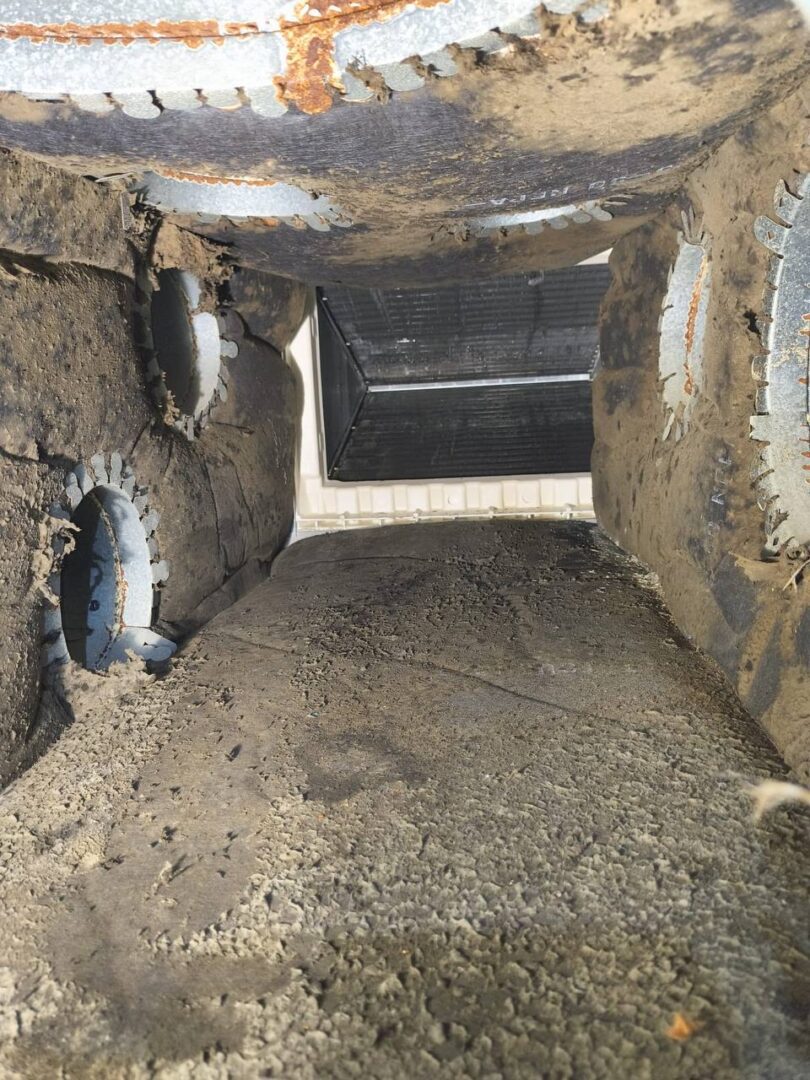
Texas’s two largest metros share a hot, humid climate and similar HVAC challenges — but significant differences in housing stock, growth patterns, and seasonal allergen profiles mean the duct cleaning needs of Houston and Austin homeowners differ in important ways. Understanding the specifics of each market helps homeowners get the right service for their home.
Climate Comparison: Where the Similarities End
Both Houston and Austin are classified as humid subtropical climates, but the specifics diverge:
Houston’s humidity: The Gulf Coast influence creates consistently high humidity year-round. Summer months routinely see 85-90% relative humidity. The city averages over 200 days per year with humidity above 60%. The cooling season runs 8-10 months.
Austin’s humidity: Austin is more inland and typically runs 5-10 degrees warmer than Houston in summer, but humidity is meaningfully lower on average. Austin’s “Air Beard” season in late summer is notorious, but the overall moisture processing load on HVAC systems is somewhat less than Houston’s.
The practical difference: Houston’s evaporator coils process more moisture per cooling cycle, meaning coil-related contamination and biological growth rates are higher. Austin homes face the same general challenges but at a slower accumulation rate.
Housing Stock Differences
Houston: The fourth-largest city in the US, Houston has significant housing stock across all age ranges. Older neighborhoods — the Heights, Montrose, Midtown — have 50-80 year old homes with original ductwork in some cases. New construction continues in the suburbs. Houston’s housing diversity means duct condition varies dramatically by neighborhood.
Austin: Austin’s population has nearly doubled in 20 years, meaning a larger proportion of the housing stock is newer construction. The rapid growth also means more new homes in suburban areas where construction dust and particulate from surrounding development affect indoor air quality.
The Cedar Fever Factor
Austin’s most distinctive HVAC challenge is mountain cedar ( Ashe juniper) pollen, which is the most potent allergen in Central Texas and dominates the winter allergy season from December through February. Cedar pollen is exceptionally fine and penetrates standard filters more readily than other pollens.
Houston doesn’t experience true cedar fever — the species isn’t prevalent in the immediate Houston area. Houston’s winter allergens are primarily oak and elm pollen, which are less aggressive allergens and less penetrating than cedar.
For Austin homeowners with cedar allergies, the accumulation of cedar pollen in ductwork during winter months creates a reservoir that continues to affect indoor air quality even after cedar season ends. This makes Austin’s January-February post-cedar-season duct cleaning window particularly valuable.
Flood Risk Comparison
Houston’s hurricane flood risk significantly exceeds Austin’s. Hurricane Harvey’s 2017 flooding affected over 300,000 homes in the Houston metro. Flooding events create acute HVAC contamination that requires immediate professional response.
Austin faces flash flood risk from intense rainfall events, but the catastrophic flooding that Houston is vulnerable to — storm surge from the Gulf, widespread hurricane rainfall — is not a primary concern for most Austin homeowners.
For Houston homeowners, pre-hurricane-season HVAC inspection and documented cleaning are part of responsible homeownership in a way that Austin homeowners don’t need to prioritize.
Comparing Service Frequency Recommendations
Houston: Due to higher humidity, longer cooling seasons, and hurricane flood risk:
- Typical homes: Every 3 years
- Pet households, allergy sufferers: Every 2 years
- Post-hurricane or flood event: Immediate inspection and cleaning as needed
Austin: Due to moderate humidity, cedar pollen considerations, and newer housing stock:
- Typical homes: Every 3-4 years
- Cedar allergy sufferers: Post-seasonal cleaning (February-March) every 1-2 years
- New construction homes: Initial cleaning within first 2 years if no builder cleaning documentation
What Both Markets Share
Regardless of which city you live in, the NADCA standard for professional cleaning is the same: all 8 HVAC components, source removal methodology, and verification documentation. The same certification requirements, the same equipment standards, and the same best practices apply in both markets.
The key difference is that Houston homeowners should be more aggressive about scheduling professional cleaning due to the accelerated contamination rates from humidity and flood risk. Austin homeowners can follow a more standard timeline but should specifically consider the post-cedar-season window for cleaning.
AH-CHOO! Indoor Air Quality serves both Houston and Austin. NADCA certified. Average job time: 7 hours. 8 components cleaned every service. 38 years of experience.
[Schedule Your Texas Duct Cleaning](https://crm.ahchooindoorair.com/book)
Related AH-CHOO resources: Houston air duct cleaning; schedule a free inspection.