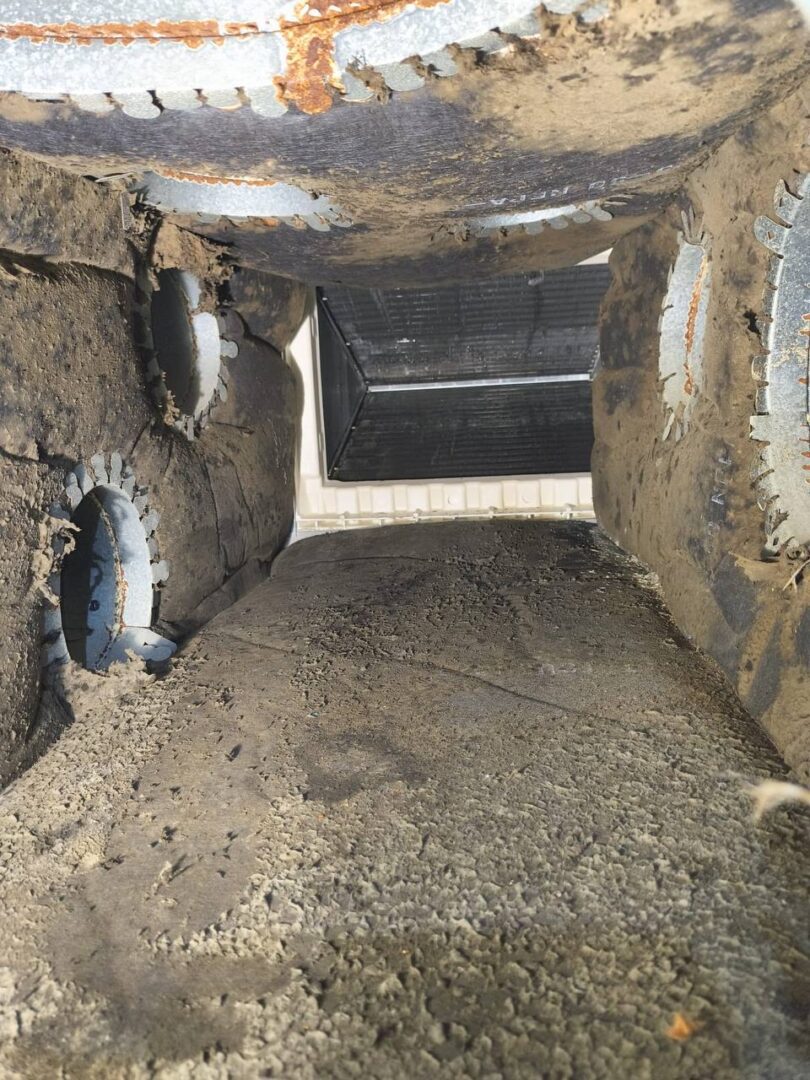
Every winter, Austin’s mountain cedar trees release pollen at concentrations that make the city one of the worst allergy markets in the United States. Cedar fever — the allergic reaction to mountain cedar pollen — affects Austin residents from December through February with symptoms that mimic a severe cold: sneezing, congestion, watery eyes, and fatigue.
What most Austin homeowners don’t realize is that their HVAC system is a massive pollen reservoir that recirculates cedar allergens throughout the winter — even after outdoor cedar counts drop.
How Cedar Pollen Gets Into Your Ductwork
Mountain cedar pollen is exceptionally small — smaller than most filter ratings available for residential HVAC systems. When your AC or heat runs during cedar season, pollen enters through return air vents and settles inside ductwork, evaporator coils, and the blower assembly. Once inside the sealed duct system, the pollen doesn’t escape. Each additional heating and cooling cycle pushes more pollen through, and the accumulated reservoir grows.
By February, when outdoor cedar counts finally drop, your HVAC system still contains the full season’s accumulated pollen load — and every time you run your system, it recirculates that pollen into your living spaces.
Why Allergy Medications Don’t Solve the HVAC Problem
Many Austin residents suffering from cedar fever take antihistamines, use nasal sprays, and avoid outdoor activities during peak season — but continue to suffer indoors. The reason: their HVAC system is the source of constant indoor allergen exposure.
This is why cleaning your air ducts after cedar season — or before the next season — can provide meaningful relief that medications alone cannot achieve. Removing the pollen reservoir from inside the duct system eliminates the source of recirculation.
The Austin HVAC Mold Connection
Austin cedar fever season transitions directly into spring oak season. The same moisture patterns that allow cedar pollen to accumulate inside ductwork also create conditions for mold growth. Austin’s variable humidity — swinging between dry winters and humid summers — means the pollen and debris inside your ducts absorbs moisture during humid periods, creating biological contamination that perpetuates year-round allergy problems.
When to Schedule Duct Cleaning for Cedar Fever Relief
Late winter (February-March): After cedar season ends, schedule cleaning to remove the season’s accumulated pollen load before spring allergy season begins.
Fall (October-November): Before cedar season starts, clean to reduce the baseline pollen accumulation when the season begins.
Year-round: Austin homeowners with severe cedar allergies may benefit from cleaning twice yearly — once after cedar season and once in early fall.
What Professional Cleaning Removes
AH-CHOO! cleans all 8 HVAC components using NADCA-certified source removal:
- Supply and return ductwork — where pollen accumulates in concentrated amounts
- Evaporator coil — pollen grains coat coil surfaces and reduce efficiency
- Blower wheel — pollen wraps around fan blades and circulates continuously
- Plenum box — the main reservoir where pollen concentrations are highest
- Registers and grilles — removed, cleaned, and reinstalled
Austin’s Cedar Fever Season Timeline
- December: Mountain cedar begins releasing pollen, concentrations spike
- January: Peak cedar fever season, highest pollen counts
- February: Season winds down but accumulated pollen remains in HVAC
- March-April: Transition to spring oak and elm allergy season
NADCA Certification Matters for Allergen Removal
Not all air duct cleaning companies use methods that actually remove pollen and allergen particles from HVAC systems. NADCA certification ensures the technician uses source removal equipment — negative air machines, proper agitation tools, and HEPA filtration — that captures and removes contaminants rather than redistributing them.
Many low-priced “duct cleaning” services in Austin use equipment that stirs up contaminants without capturing them, leaving your home with worse air quality than before.
AH-CHOO! provides NADCA-certified air duct cleaning for Austin homeowners. Free inspection before cedar season, 38 years of experience, one job per day.
[Book Your Austin Cedar Season HVAC Inspection](https://crm.ahchooindoorair.com/book)
Related AH-CHOO resources: Austin air duct cleaning; schedule a free inspection.