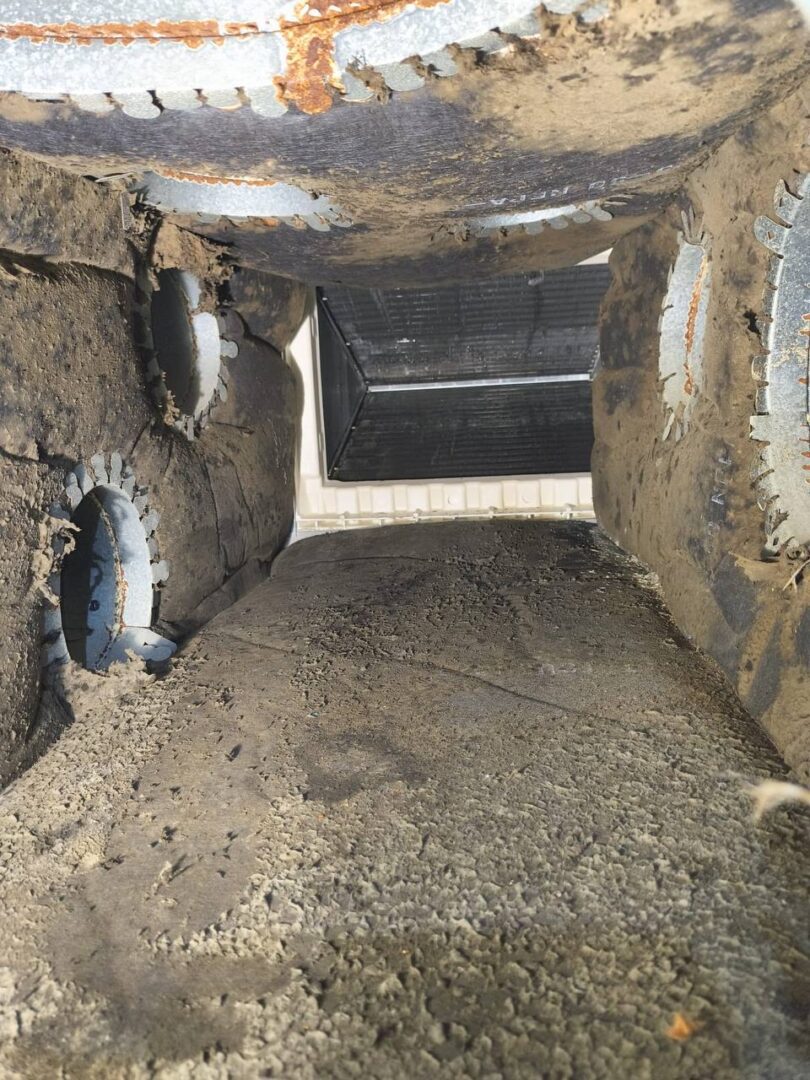
Baton Rouge and South Louisiana present some of the most demanding HVAC conditions in the United States. The combination of extreme summer humidity, mild winters that never provide a genuine rest period for HVAC systems, and hurricane season flooding risk means South Louisiana homeowners face indoor air quality challenges that require more aggressive maintenance than standard recommendations account for.
Why Baton Rouge’s Climate Is Unique for HVAC Systems
Baton Rouge’s humid subtropical climate differs from Houston in ways that matter for HVAC maintenance:
Year-round humidity without a dry season: Unlike Houston, which has at least a few months where outdoor humidity drops significantly in winter, Baton Rouge maintains high humidity year-round. Winter days regularly see 60-70% relative humidity even when temperatures are mild. This means HVAC systems in Baton Rouge process humidity almost every day of the year, not just during the 8-10 month cooling season.
Mississippi River proximity: The river’s influence creates consistent moisture in the soil and air around Baton Rouge. Homes near the river or in low-lying areas experience higher ambient humidity than areas further from water bodies.
Dense tree canopy: Baton Rouge’s extensive tree coverage — the city is nicknamed “the Red Stick” — provides natural shade and cooling but introduces higher levels of organic particulate (pollen, leaf fragment, tree flower debris) into the outdoor air and onto outdoor HVAC equipment.
The Biological Contamination Reality in Louisiana Ductwork
The combination of persistent humidity and organic particulate creates a duct contamination profile in Baton Rouge homes that accelerates faster than most other markets:
Year-round mold growth cycle: Without a genuinely dry season, mold inside sealed ductwork continues biological activity year-round. Even in winter months when the AC runs less, the ambient humidity maintains conditions for dust mites and biological growth inside the duct system.
Faster dust mite colonization: Dust mites thrive at humidity levels above 50%. Baton Rouge’s indoor humidity rarely drops below this threshold, meaning dust mite populations in ductwork can sustain themselves year-round rather than dying off in winter.
Organic loading from dense vegetation: The high organic particulate load from Baton Rouge’s tree canopy means more material enters the duct system through return air, providing more food for biological growth and faster accumulation rates.
Hurricane Season and HVAC in South Louisiana
Hurricane season creates acute risks for Baton Rouge homeowners that require specific preparation:
Hurricane preparation for HVAC: Before hurricane season (June 1), homeowners should document their HVAC system condition and ensure outdoor units are properly secured. A pre-season inspection establishes baseline condition that becomes critical if the property is affected by a storm.
Post-storm inspection requirement: After any significant storm event involving high winds, tornado activity, or flooding, the HVAC system should be professionally inspected before operation. Floodwater can introduce contaminated sediment into ductwork and the air handler, and attempting to run the system before inspection can spread contamination throughout the home.
Mold growth window after storms: In Baton Rouge’s humid climate, mold can begin growing inside HVAC ductwork within 24-48 hours of a water intrusion event. The window for effective remediation after a storm is shorter than in dryer climates.
What Baton Rouge Homeowners Should Do
Clean every 2-3 years: The standard 3-5 year NADCA recommendation should be shortened for Baton Rouge homes due to accelerated biological contamination. Homes with pets, allergy sufferers, or near the river should consider cleaning every 2 years.
April-May cleaning timing: Schedule professional cleaning in spring, before peak hurricane season and peak cooling season. This removes accumulated winter contamination and ensures the system enters summer operating efficiently.
Post-storm immediate action: If your home experiences any water intrusion from storms, contact a professional immediately — don’t wait to see if mold develops. Fast action after water events is the only way to prevent severe contamination.
AH-CHOO! Indoor Air Quality serves Baton Rouge, Lafayette, New Orleans, Slidell, Lake Charles, and all South Louisiana communities. NADCA certified. Average job time: 7 hours. 8 components cleaned every service. 38 years of experience.
[Schedule Your Baton Rouge Duct Cleaning](https://crm.ahchooindoorair.com/book)
Related AH-CHOO resources: South Louisiana air duct cleaning; schedule a free inspection.