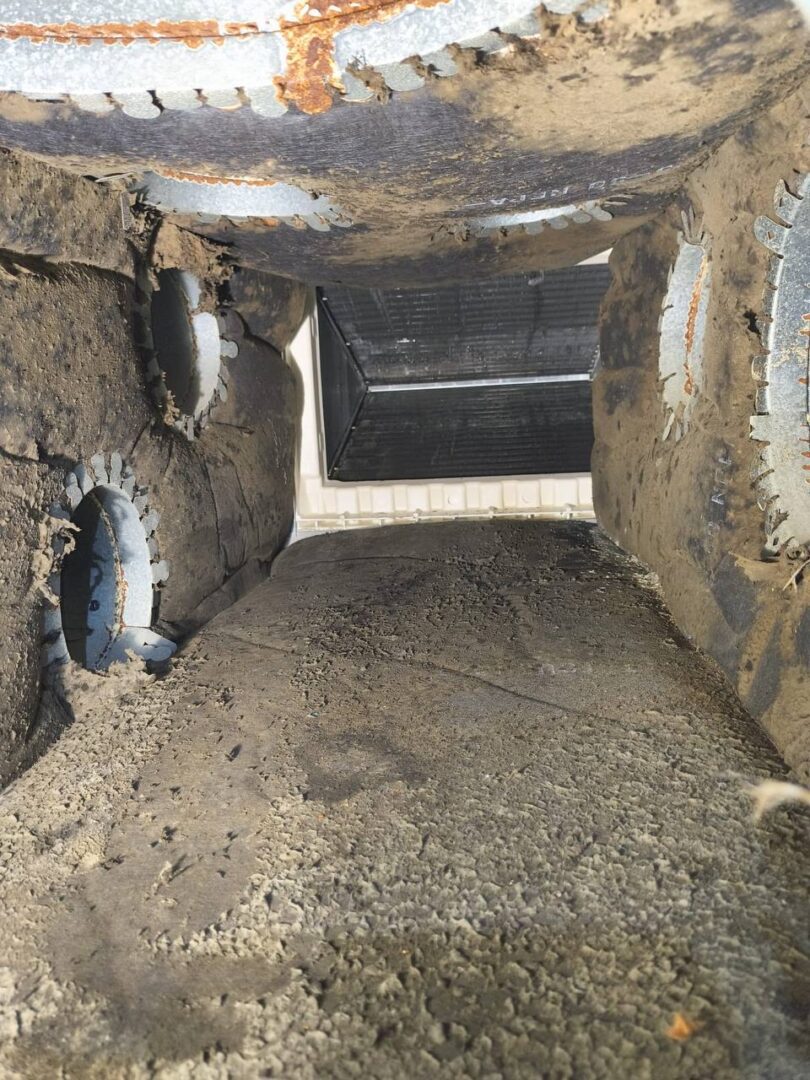
Houston homeowners frequently encounter both air duct cleaning and mold remediation services when researching HVAC maintenance — and the confusion between the two is understandable. Both involve addressing biological contamination, both affect indoor air quality, and both are relevant to Houston’s high-humidity climate. But the similarities end there. Understanding the difference is critical for getting the right service for your specific situation.
What Air Duct Cleaning Is
Air duct cleaning is a preventive and restorative maintenance service focused on the HVAC system and its connected ductwork. The National Air Duct Cleaners Association (NADCA) defines the scope as cleaning the heating and cooling system components of forced air systems, including:
- Supply and return air ducts
- Grilles and diffusers
- Fan coil units and blowers
- Heat exchangers and heating elements
- Cooling coils and drain pans
- Air handling equipment housings
The NADCA standard for cleaning is called ASCS (Assessment, Cleaning, and Verification) and uses source removal methodology — physically removing contamination from surfaces rather than coating or treating over it.
Air duct cleaning addresses accumulated dust, debris, and biological contamination inside the duct system. It’s a maintenance service that restores contaminated ductwork to a clean baseline.
What Mold Remediation Is
Mold remediation is a remediation service focused on active mold colonization in building materials and structural components. The distinction from cleaning is important:
Mold remediation addresses mold growth on building materials:
- Drywall and wallboard
- Wood framing and structural members
- Insulation materials
- Ceiling tiles and subflooring
- Any porous material where mold has penetrated and grown
Mold remediation follows different protocols — typically IICRC S520 for mold remediation — which involve containment of the work area, removal of contaminated materials, HEPA filtration, and biocide treatment of affected surfaces. The goal is to remove mold colonies that have grown into building structure, not just accumulated on HVAC surfaces.
The Overlap: When Both Services Are Needed
The confusion arises because HVAC components can develop active mold growth that requires both services — or that requires mold remediation before air duct cleaning can be effective.
When air duct cleaning alone is sufficient: The ductwork interior has accumulated dust, dander, and surface-level biological contamination. No active mold colonization has penetrated the duct material itself. Professional duct cleaning removes the contamination and restores the system.
When mold remediation is required first: Mold has grown into porous duct materials (flexible duct insulation, fiberglass duct board), into the air handler cabinet, or into building materials adjacent to the HVAC system. In these cases, duct cleaning without prior remediation would disturb and spread the mold spores without actually removing the colonization.
When both services are needed: This is the most common scenario for Houston homes that have experienced water intrusion or long-term moisture exposure. A NADCA-certified inspection determines whether the contamination is surface-level (cleaning appropriate) or has penetrated building materials (remediation required first).
Why Houston Homes Are Especially Susceptible to Both Issues
Houston’s humidity creates conditions where mold can establish itself in building materials faster than in dryer climates. A water intrusion event that might cause minor surface mold in Arizona could result in extensive structural mold colonization in Houston within 48-72 hours.
This means Houston homeowners who experience:
- Roof leaks
- Plumbing failures
- HVAC drain pan overflows
- Flooding from hurricane events
- Long-term humidity penetration through building envelope issues
…should have both the HVAC system inspected by a NADCA-certified technician AND the building structure evaluated by a mold remediation professional. The two assessments are different skill sets and different service scopes.
The NADCA Inspection as a First Step
For Houston homeowners uncertain about whether they need cleaning or remediation, a NADCA-certified inspection is the right first step. The inspection:
- Documents visible conditions inside accessible portions of the duct system
- Photographs any biological growth found on HVAC components
- Assesses whether growth is surface-level contamination or has penetrated building materials
- Provides a written assessment with recommendations for cleaning, remediation, or both
- Gives you documentation for insurance or real estate transaction purposes
If the inspection reveals contamination limited to the HVAC system, cleaning can proceed. If it reveals mold growth in building materials adjacent to or connected with the HVAC system, remediation should precede cleaning.
AH-CHOO! Indoor Air Quality provides NADCA-certified HVAC inspections that document system condition and provide clear recommendations. Serving Houston, Austin, San Antonio, and South Louisiana.
[Schedule Your Houston HVAC Inspection](https://crm.ahchooindoorair.com/book)
Related AH-CHOO resources: Houston air duct cleaning; schedule a free inspection.