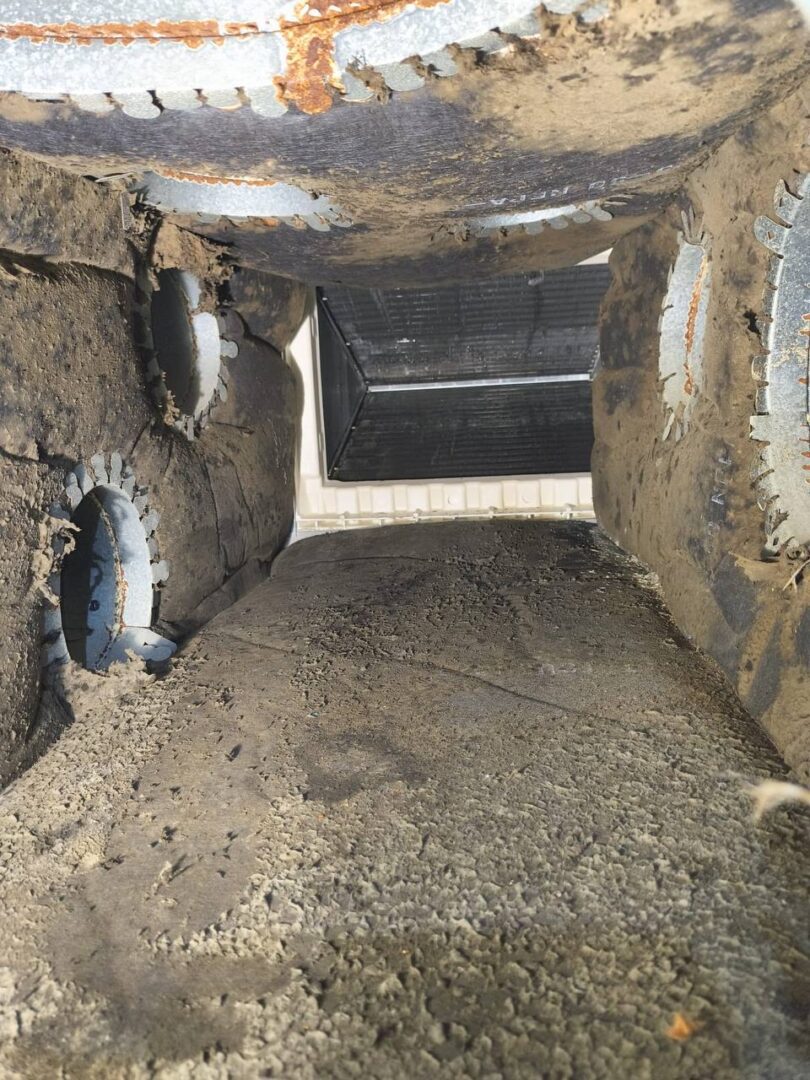
Most homeowners who schedule air duct cleaning don’t realize their home’s HVAC system has 8 distinct components that require individualized attention during a professional cleaning. Companies that advertise “complete duct cleaning” in 45 minutes are cleaning the equivalent of vacuuming your car’s dashboard and calling it a full detail — they may hit the most visible surfaces, but they’re missing the components that matter most for system performance and air quality.
Why 8 Components Instead of Just “the Ducts”?
Your HVAC system is more than just ductwork. The ductwork is the distribution system — the tubes that carry air from the air handler to each room. But the air handler itself contains several components that are equally important to system efficiency and air quality, and each one accumulates contamination differently.
A thorough NADCA-certified cleaning addresses all 8 components because each one affects either system performance, indoor air quality, or both.
The 8 Components Explained
### 1. Return Ducts
The return duct system is where air enters the HVAC system from your living spaces. It’s typically the largest single component by volume and carries the highest concentration of contaminants — dust, pet dander, pollen, and biological particles that have circulated through your home. Because return ducts pull air from multiple points throughout the house, they’re exposed to the highest volume of indoor contaminants. Contamination in the return ducts directly affects the air that passes over the evaporator coil.
### 2. Evaporator Coil
The evaporator coil is the component most critical to your system’s cooling efficiency. Located inside the air handler cabinet, the coil absorbs heat from return air as cold refrigerant flows through it. In Houston’s climate, the coil also processes enormous volumes of humidity — typically 15-20 gallons of condensate per day during peak summer months. When the coil is coated in dust and biological matter, its heat transfer capacity drops significantly. A coil with moderate fouling can lose 30-50% of rated efficiency.
### 3. Blower Wheel (Blower Fan)
The blower wheel is the component that moves air through your ductwork. It consists of a wheel with blades (called fins or blades) and a motor that drives the wheel. Contamination accumulates on the wheel blades and housing, unbalancing the assembly and forcing the motor to work harder. In homes with pets, the blower wheel is typically the most severely contaminated component because pet hair wraps around the blades and hub.
### 4. Heating Chamber
In systems with gas or electric heating elements, the heating chamber accumulates dust and combustion byproducts during the heating season. Even in Houston’s mild winters, any home using heating accumulates some material in the heating chamber. The chamber should be cleaned as part of any full system cleaning to prevent cross-contamination between heating and cooling cycles.
### 5. Plenum Box
The plenum box is the central collection and distribution chamber where the return air duct connects to the air handler and where supply air branches out to the duct system. As the junction point for all airflow, the plenum box accumulates the highest concentration of heavy debris particles that settle out of the air stream before it reaches the blower wheel. Cleaning the plenum box requires accessing the main chamber through the air handler cabinet.
### 6. Supply Ducts
The supply duct system carries conditioned air from the air handler to each room in your home. Unlike the return ducts, supply ducts are under positive pressure, which means contamination inside supply ducts doesn’t immediately affect the equipment — but it does affect the air quality in each room. Supply ducts accumulate settled debris along their bottom surfaces and at any low points in the duct routing.
### 7. Register Boxes (Diffusers)
The register boxes (also called diffusers or supply diffusers) are the connection points where supply ducts meet individual room outlets. These are typically the most visible part of the duct system and the most frequently handled during home cleaning. Register boxes accumulate dust and debris at the grille and in the box itself. They’re removed, cleaned, and reinstalled during professional cleaning.
### 8. Grilles (Return Grilles)
The return air grilles are the vents where air enters the return duct system from living spaces. Like supply register boxes, return grilles accumulate dust and debris at the grille surface and in the boot behind the grille. They’re removed and machine-washed during professional cleaning.
Why Each Component Requires Individual Attention
Each of the 8 components accumulates contamination differently and requires different cleaning approaches:
The evaporator coil requires chemical treatment and low-pressure wash. The blower wheel requires agitation tools and careful handling to maintain balance. The plenum box requires hand tools sized for the larger chamber and proper extraction equipment. Return ducts require longer agitation time because they carry the highest contaminant load. Supply ducts require different agitation tools because they’re under positive pressure and have different geometry.
A company that doesn’t have equipment designed for each component type — or that doesn’t allocate time for each component — is not providing a complete cleaning.
The Time Factor
For a typical Houston-area home, a professional cleaning addressing all 8 components requires approximately 7 hours of technician time. This isn’t padding — it’s the actual time required to set up proper negative pressure seals at all registers, clean each component thoroughly, and verify the work before cleanup.
The 45-minute “duct cleaning special” doesn’t clean all 8 components. It typically vacuums the supply vent grilles — visible, accessible, and not the most important parts of the system. The work that matters most — coil cleaning, blower wheel cleaning, return duct cleaning — is what’s skipped when time is the limiting factor.
AH-CHOO! Indoor Air Quality cleans all 8 HVAC components on every residential service. Average job time: 7 hours. NADCA certified. Serving Houston, Austin, San Antonio, and South Louisiana. 38 years of experience.
[Schedule Your Houston Duct Cleaning](https://crm.ahchooindoorair.com/book)