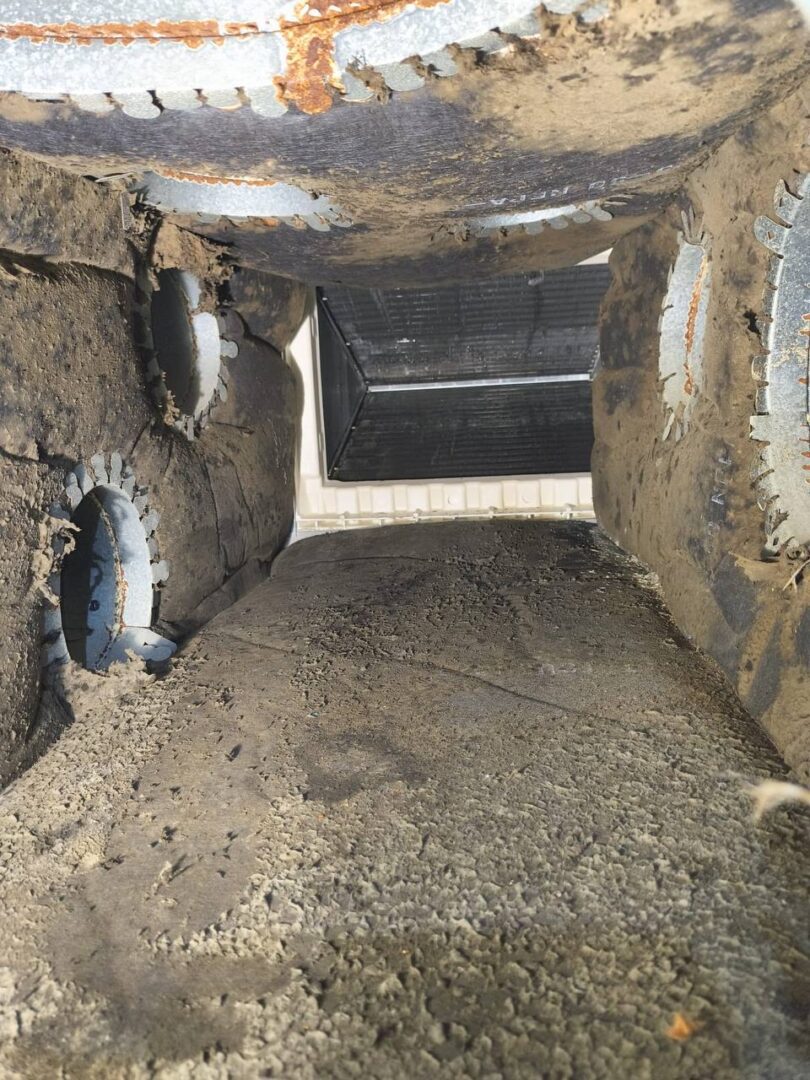
Yes, grass pollen does get into your Houston home’s air ducts — and March is when it starts building up. Houston’s HVAC systems run nearly year-round, pulling outdoor air through continuously. As Bermuda, Johnson, and Bahia grass pollen counts rise, fine particles bypass standard filters and settle inside ductwork, blower housings, and coils where they accumulate all season long.
Why Is March a Critical Month for Houston Air Ducts?
March in Houston is a convergence event for allergy sufferers and their HVAC systems. Live oak pollen is at its annual peak right now — the Houston Health Department reports “Very Heavy” tree pollen counts through mid-April. Meanwhile, grass pollen is beginning its rise: Bermuda grass, Johnson grass, and Bahia grass all release pollen starting in March, with levels peaking through July.
This overlap matters for your air ducts. You’re not dealing with one pollen wave — you’re dealing with two simultaneously. Every time your AC runs (which in Houston means almost constantly), it’s drawing this combined load through your system.
The key difference from northern cities: Houston homeowners run their HVAC systems nine or more months per year. That’s roughly three times the seasonal runtime of a home in a northern climate. More runtime means more air volume cycling through your ductwork — and more pollen accumulating inside it over time.
How Does Grass Pollen Actually Get Inside Your Ducts?
Most people assume their HVAC filter is the last line of defense. It’s not.
Standard 1-inch fiberglass or pleated filters are designed to protect your HVAC equipment, not to achieve clinical air purification. Very fine pollen particles — particularly grass and tree pollen — can pass through standard filters or enter through:
- Gaps at the filter housing — even a small unsealed edge allows bypass
- Leaky duct connections — especially in older Houston homes with flex duct systems
- Return air registers — pollen settles on register surfaces and gets pulled in when the system starts
- The outdoor air intake — especially in homes with fresh air ventilation
Once past the filter, pollen settles in the first surfaces it hits: the blower wheel, the evaporator coil, the supply duct plenum. In Houston’s humidity, that accumulated pollen doesn’t just sit there — it creates the moisture-rich substrate that mold needs to grow.
What Happens When Pollen Builds Up in Your Houston Ducts?
Here’s the cycle that plays out in Houston homes during allergy season:
- Pollen accumulates in ductwork, blower housing, and coils throughout March, April, and May
- Humidity from the Gulf creates condensation on duct surfaces, mixing with organic pollen material
- Mold spores attach to the pollen-laden surfaces inside your ducts
- Your HVAC runs — and recirculates everything throughout your home
This is why Houston homeowners often notice that their allergy symptoms are worse indoors than outdoors during spring. The house feels like a sealed chamber that’s been trapping and recirculating weeks of accumulated allergens.
Common symptoms that residents link to duct contamination during allergy season include:
- Sneezing and runny nose that persists indoors even with windows closed
- Eyes that feel irritated only when the AC is running
- Musty or earthy smell when the system first kicks on
- Allergy symptoms that improve when staying somewhere else overnight
Does Changing Your Filter Fix the Problem?
Changing your air filter regularly is important — especially during peak pollen season. But filter replacement alone does not address what’s already settled inside your duct system.
A new filter stops future particles from entering. It does nothing about the pollen and organic material that’s been building up in your blower housing, coil fins, and supply ducts since last season. That accumulated material remains in the system and continues recirculating through your home every time the AC runs.
A proper professional duct cleaning addresses the entire system — not just the filter. That means:
- All supply and return ducts
- The blower wheel and motor housing
- The evaporator coil (where moisture and pollen meet)
- All registers and grilles
- The supply plenum where pollen concentration is often highest
Why March Is the Right Time to Act in Houston
Timing matters. Cleaning your system at the beginning of the pollen overlap — rather than the end — means you’re removing last season’s accumulation before this season’s double-load (oak + grass) has a chance to compound it.
By May, Houston HVAC systems that haven’t been cleaned are typically carrying several months of tree pollen (cedar, oak, ash, pecan) plus rising grass pollen (Bermuda, Johnson, Bahia), all with Houston humidity binding organic material to duct surfaces.
Waiting until summer means running your AC through this peak contamination window without addressing what’s already inside the system.
What a Professional Full System Clean Involves
AH-CHOO! Indoor Air Quality has been cleaning Houston HVAC systems for 38 years. We are NADCA (National Air Duct Cleaners Association) certified — one of the few Houston-area companies that holds this certification.
Our technicians take one job per day. That means your home gets a full day of focused attention — not a two-hour blitz between five other appointments. A complete system clean takes approximately seven hours to do correctly.
We offer free inspections before any work begins, so you know exactly what you’re dealing with before committing to service.
Frequently Asked Questions
Does grass pollen actually get trapped inside air ducts?
Yes. While HVAC filters capture many particles, fine grass and tree pollen can bypass standard filters through housing gaps, duct leaks, and return registers. Pollen settles inside blower housings, coil fins, and supply ductwork where it accumulates over multiple seasons.
When is the best time to clean air ducts in Houston for allergy season?
March is ideal. Oak pollen is peaking and grass pollen is beginning to rise. Cleaning now removes last season’s accumulation before the spring double-load (oak + grass overlap) compounds what’s already inside the system.
What grass pollens are most common in Houston?
Bermuda grass, Johnson grass, and Bahia grass are the primary sources of grass pollen in the Houston area. These grasses are common in Houston lawns and public spaces, and their pollen season runs March through July.
Will running my AC more spread pollen through my home?
Your HVAC system continuously cycles air through your home. If pollen has accumulated inside the ductwork or on components like the blower wheel or coil, running the system will recirculate that material. This is a common reason why allergy symptoms persist indoors even when windows are closed.
Is NADCA certification important when choosing a duct cleaning company?
Yes. NADCA certification means the company’s technicians have been trained and tested to the industry standard for air duct cleaning. It also means they follow NADCA’s ACR Standard for what constitutes a complete system clean — not just blowing air through the ducts.
How long does a full professional duct cleaning take?
A thorough, NADCA-standard full system cleaning typically takes six to eight hours for a residential home. Services that claim to clean an entire home in one to two hours are not completing a full system clean.
If your Houston home has been running its AC through this spring’s pollen season without a professional cleaning, your duct system may already be carrying a significant accumulation of oak and grass pollen. Schedule a free inspection to see what’s actually inside your system before the season peaks.
AH-CHOO! Indoor Air Quality — NADCA Certified — 38 Years Serving Houston
For more on Houston indoor air quality and HVAC care, see what spring pollen does to Houston indoor air.
For more on Houston indoor air quality and HVAC care, see the blower wheel — the most contaminated HVAC component.
For more on the full spring pollen picture in Houston, see our guide: Spring Pollen Air Duct Cleaning Houston 2026.
Related AH-CHOO resources: Houston air duct cleaning; schedule a free inspection.