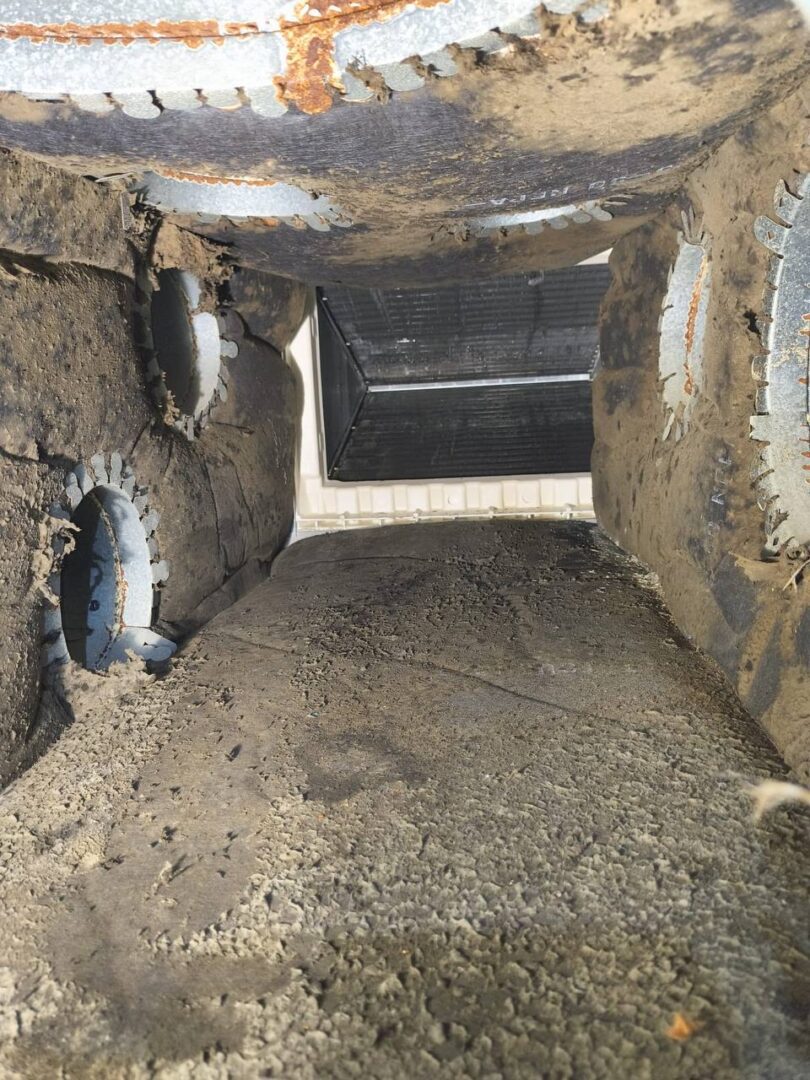
The Part of Your Houston HVAC System That Gets the Dirtiest (And Why Most Companies Skip It)
The blower wheel is the component inside your HVAC system that moves all the conditioned air through your home. In Houston, where air conditioning runs eight to ten months a year, the blower wheel accumulates pollen, dust, mold spores, and debris far faster than in cooler climates — and most duct cleaning services never touch it.
If you have had the ducts cleaned but your home still feels dusty or your allergy symptoms persist indoors, the blower wheel is often the reason why.
What Is a Blower Wheel and What Does It Do?
The blower wheel — sometimes called the squirrel cage — sits inside your air handler. It is the spinning component that pulls return air through the system, moves it across the evaporator coil, and pushes conditioned air through your supply ducts into every room.
Every cubic foot of air that circulates through your home passes through this wheel. That is exactly why it gets so dirty.
Unlike a filter, which traps particles before they travel deeper into the system, the blower wheel sits downstream. Anything that makes it past the filter — fine pollen, microscopic dust, mold spores, pet dander — hits the spinning wheel and sticks. The fins are narrow, curved channels. Debris builds up in layers over time.
Once enough material coats the wheel, it does two things: it restricts airflow, and it redistributes everything it has collected back into your home every time the system runs.
Why Houston Homes Are More Vulnerable Than Most
In northern states, an HVAC system might run four to six months per year. In Houston, it runs eight to ten — meaning your blower wheel accumulates debris at roughly double the rate of a comparable home in a cooler climate.
Add Houston’s spring pollen season — oak, ash, elm, and pecan all peak March through May — and the blower wheel is spinning through some of the highest pollen concentrations in the country during the weeks your AC ramps back up after a mild winter.
Houston’s humidity compounds it further. At seventy to ninety percent relative humidity, contaminants do not just settle on blower wheel fins — they bond. Pollen absorbs moisture and sticks; dust mixes with humidity and forms a paste. The result is buildup that accumulates faster and adheres harder than in any dry-climate equivalent.
This is why Houston spring pollen damages indoor air quality well beyond the outdoor allergy season — the HVAC captures it and keeps circulating it.
What Are the Signs Your Blower Wheel Is Affecting Your Air?
A dirty blower wheel does not always announce itself with a visible symptom. But several patterns suggest it is worth investigating:
- Allergy or respiratory symptoms that worsen when the AC kicks on — If symptoms spike within minutes of the system starting, the blower wheel is redistributing accumulated allergens
- Visible dust coming from supply vents shortly after cleaning registers — If vents re-dust quickly, the source is upstream of the ducts
- Weaker airflow than the system used to produce — Fin buildup directly reduces the volume of air the wheel can move
- A musty or stale odor when the system runs — Biological material on the wheel — mold, mildew, bacteria — produces this smell as air passes through
- Certain rooms that receive less air than others — Reduced total airflow creates uneven distribution across the home
These symptoms do not guarantee the blower wheel is the only issue, but they consistently point to a system-level problem that filter changes alone will not solve.
What Does a Full-System Cleaning Actually Cover?
Many services that advertise duct cleaning vacuum the accessible duct runs and leave. The blower wheel, blower compartment, evaporator coil housing, and branch connections are not touched. For a Houston home in the middle of oak pollen season, cleaning ducts without the blower wheel is incomplete.
AH-CHOO! Indoor Air Quality is NADCA certified and has served the greater Houston area for 38 years. A proper full-system clean takes approximately seven hours and covers every component where contaminants collect:
- Supply and return duct runs
- Branch connections and register boots
- Blower wheel and blower compartment
- Evaporator coil housing
We complete one job per day — because a real full-system clean cannot be done in ninety minutes.
For more on what Houston’s spring air puts into your HVAC system, see how outdoor air quality affects indoor ducts during spring.
Is Blower Wheel Cleaning Part of a Routine HVAC Tune-Up?
No — and this is one of the most common misunderstandings Houston homeowners have about their service history.
Standard HVAC maintenance covers refrigerant levels, electrical connections, filter changes, and system operation checks. Blower wheel cleaning requires disassembling the blower assembly and is a separate service — a component of NADCA full-system cleaning, not a standard tune-up.
If your system has had annual HVAC maintenance but no full-system clean in three or more years, the blower wheel almost certainly has significant buildup. A free inspection is the right starting point if you are unsure.
Frequently Asked Questions
What is a blower wheel in an HVAC system? The blower wheel is the spinning fan inside your air handler that moves conditioned air through your ducts. Every cubic foot of air your HVAC circulates passes through it — which is why it accumulates debris over time.
Does duct cleaning include the blower wheel? Not always. Many services vacuum duct runs only and skip the blower wheel, compartment, and coil. NADCA full-system cleaning standards require the blower wheel as part of a complete clean.
How do I know if my blower wheel is dirty? Watch for reduced airflow, allergy symptoms that spike when the AC starts, musty odors when the system runs, and vents that re-dust quickly after cleaning. A professional inspection can confirm.
Why does Houston’s climate make this more urgent? Houston HVAC runs eight to ten months per year — roughly double the runtime of systems in cooler climates. Add spring pollen peaks and high humidity, and blower wheels here accumulate debris significantly faster than elsewhere.
What does a full-system HVAC cleaning include? Supply ducts, return ducts, branch connections, register boots, the blower wheel and compartment, and the evaporator coil housing. It takes approximately seven hours — one complete job per day.
Start With What’s Actually Making You Sick
Cleaning the ducts without cleaning the blower wheel is incomplete. If your Houston home has been through multiple spring pollen seasons without a full-system clean, the component that moves every breath of air through your house has been collecting that pollen — and redistributing it — every time the AC runs.
AH-CHOO! Indoor Air Quality is NADCA certified, has served Houston for 38 years, and offers free inspections for homeowners who want to know what is actually inside their system.
For more on how spring contaminants build up in Houston HVAC systems, see whether duct cleaning is worth it in Houston’s specific climate conditions.
Schedule your free inspection →
Related AH-CHOO resources: Houston air duct cleaning; schedule a free inspection.