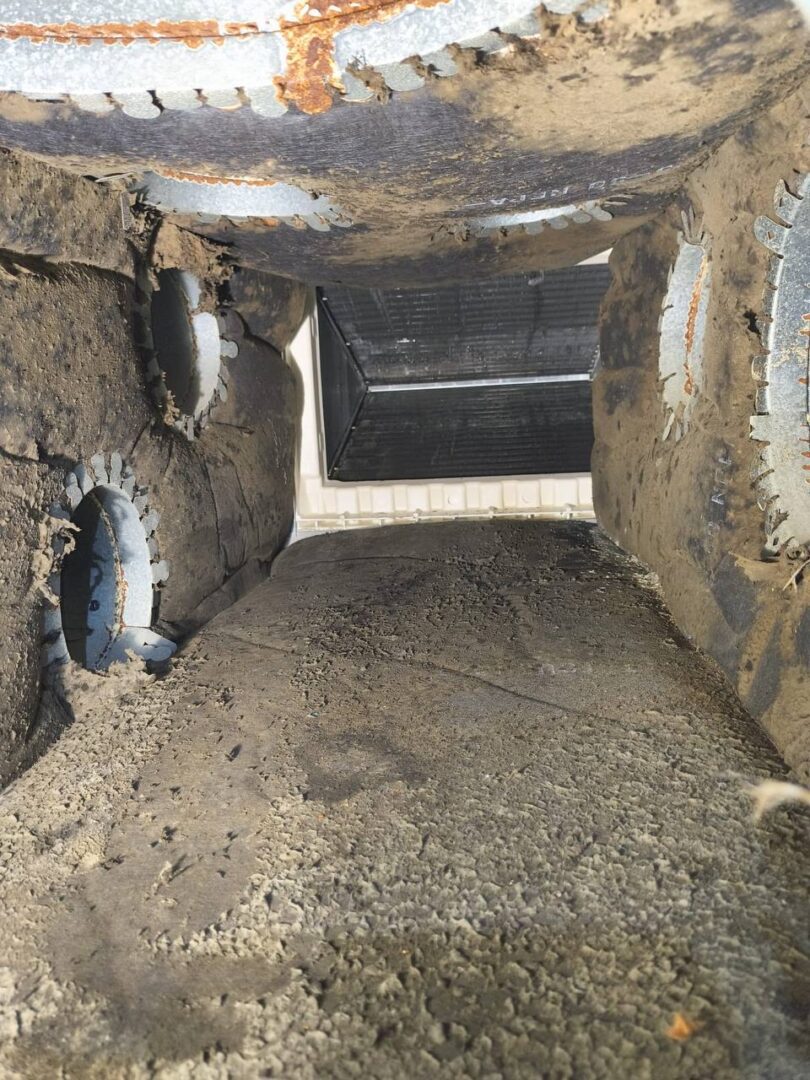
Mold in Air Ducts in Baton Rouge, LA — Signs, Causes & What to Do
A persistent musty odor when the HVAC system runs, recurring moisture near accessible vents, or visible mold-like material around a register can be a reason to schedule a professional inspection. In Baton Rouge, the subtropical climate, Mississippi River industrial corridor, and varied housing stock each create conditions that can influence moisture behavior inside ductwork. Visual observations alone do not identify a source or confirm a condition — they are starting points for a professional review.
Signs Baton Rouge homeowners can notice
Many duct-system concerns start with small, repeatable observations rather than a single dramatic event. Note when an odor appears, which rooms are affected, and whether it follows cooling cycles, rain, or a filter change. That context helps a technician focus an inspection on accessible areas without treating a symptom as a diagnosis.
- Musty odors tied to HVAC operation: An odor that appears when the system starts is worth noting, especially if it returns after normal housekeeping. Baton Rouge’s high outdoor humidity can amplify moisture-related odors inside ductwork.
- Recurring moisture near accessible registers: Condensation on or around a vent cover can point to a moisture condition that deserves a closer look. This is especially common during Louisiana’s hot, humid summers.
- Visible discoloration or mold-like material: Material around a register, return grille, or accessible equipment area should be left undisturbed until it can be inspected.
- Dust or debris that returns quickly: A loaded filter or recurring debris is not proof of a duct condition, but it is useful context for an inspection. Baton Rouge’s industrial corridor can contribute fine particulate that household filters don’t fully capture.
Why Baton Rouge’s climate matters for your duct system
Baton Rouge ranks among the most humid cities in the United States, with average relative humidity above 75% for much of the year. When warm, humid air meets a cold duct surface, condensation can form — creating conditions where microbial growth may develop. Several local factors can compound this:
- Mississippi River industrial corridor: Fine industrial particulate from facilities along the corridor can enter HVAC fresh-air intakes and settle inside ductwork, contributing to the load on the system.
- Slab-foundation moisture: Many Baton Rouge homes sit on concrete slabs. Without proper vapor barriers, moisture can wick from the soil into ductwork running through or beneath the slab.
- Attic flex-duct condensation: Duct runs through unconditioned attics in Baton Rouge experience wide temperature swings, increasing condensation risk during peak cooling months.
- Aging and new housing stock: Historic neighborhoods like Spanish Town and the Garden District have older ducts; newer developments in Prairieville and Denham Springs may have construction debris from the building phase.
Start with the items a homeowner can safely observe: the timing of an odor, visible moisture near an accessible vent, a filter that appears unusually loaded, or a change after a storm or heavy cooling period. Do not remove vent covers beyond what is safe, reach into ductwork, or disturb material that appears unusual.
What a professional inspection should cover
An inspection is an inspection-first process, not a promise that every concern has the same cause. A technician can review accessible supply and return components, vent covers, the air-handler area, filter fit, and visible moisture or debris conditions. The exact scope depends on the HVAC layout and the areas that can be accessed safely.
If you are already reviewing service options, the Baton Rouge air duct cleaning guide explains the local service context. For a suspected moisture issue, ask the technician to explain what was accessible, what was observed, and which next step fits the documented condition.
Practical steps before an appointment
- Replace a visibly loaded filter with the size and type specified for the system.
- Write down when the odor or moisture is most noticeable, including whether it is linked to HVAC runtime.
- Take a clear photo of accessible vent-cover discoloration without touching suspected material.
- Keep furniture and storage clear around accessible registers and the air-handler area if possible.
- Avoid spraying products or attempting to clean inside ductwork before the inspection.
These simple notes do not replace a professional review, but they help make the visit more efficient. They also avoid turning a limited visual sign into an unsupported conclusion.
When to request help
Request an inspection when musty odors persist with HVAC use, moisture repeatedly appears near accessible vents, or you see material that concerns you around a register or accessible equipment. AH-CHOO! can review accessible system conditions and explain the next step based on what is documented.
To arrange a visit, contact AH-CHOO!. We serve all residential and commercial properties in Baton Rouge and the surrounding South Louisiana area.
Frequently asked questions
How can I tell if there may be mold in my Baton Rouge air ducts?
Persistent musty odors tied to HVAC operation, visible mold-like material around accessible registers, or recurring condensation near vents can be reasons to schedule an inspection. Baton Rouge’s high humidity and Mississippi River corridor location can contribute to moisture conditions inside ductwork. An in-person inspection of accessible components is the appropriate next step.
What causes mold-friendly conditions in Baton Rouge duct systems?
Baton Rouge’s subtropical climate means high outdoor humidity year-round. Condensation inside ducts, slab-foundation moisture wicking, attic flex-duct temperature swings, and fine particulate from the industrial corridor can each contribute to conditions where microbial growth may develop. A technician can inspect accessible components and explain what is present in a specific system.
Is mold in air ducts a common problem in Baton Rouge?
Moisture-related duct conditions are more common in humid Gulf Coast markets like Baton Rouge than in drier climates. The combination of elevated outdoor humidity, aging housing infrastructure in historic neighborhoods, and rapid new construction in areas like Prairieville and Denham Springs means moisture management should be part of any Baton Rouge home’s HVAC maintenance routine. Annual duct inspections are recommended regardless of visible signs.
Should I try to clean mold-like material from my ductwork myself?
No. Disturbing suspected material inside ductwork can spread debris through the system. Leave any material near registers, in the air handler area, or inside accessible duct sections undisturbed until a professional inspection can document the conditions and recommend the appropriate scope of work.
For related local guidance, see South Louisiana air duct cleaning services or read the Baton Rouge service guide.