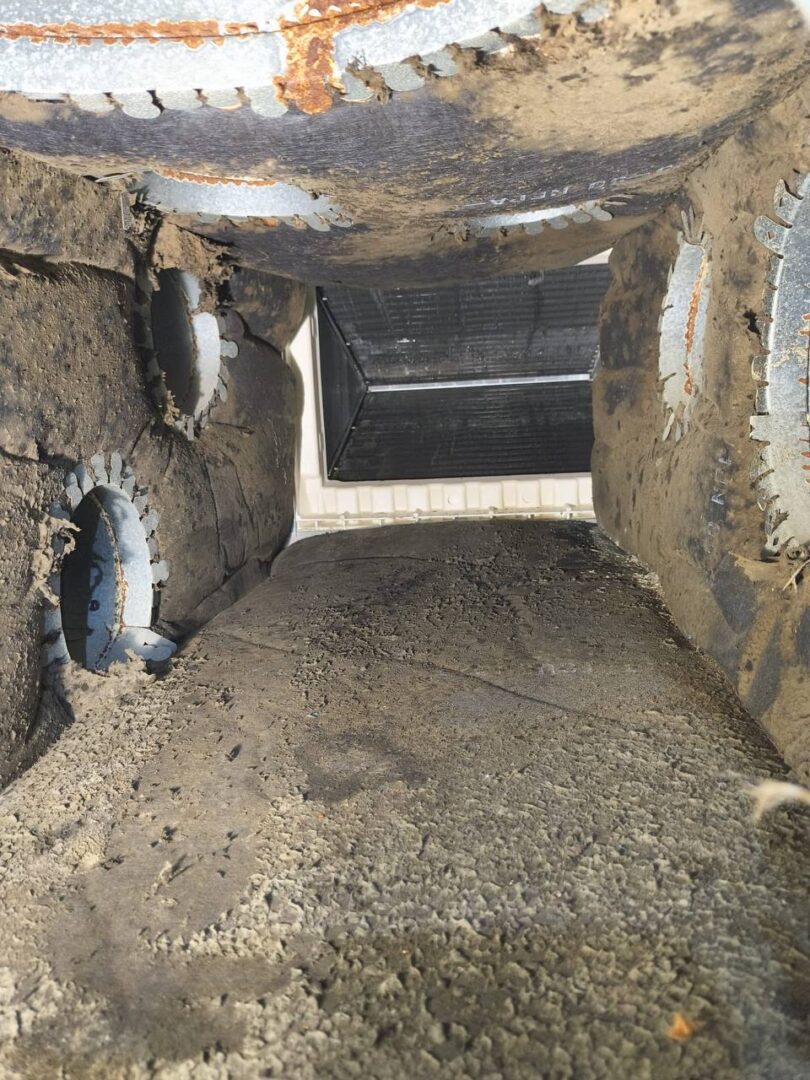
Mandeville, Louisiana sits on the north shore of Lake Pontchartrain — a location that offers stunning lake views and a relaxed North Shore lifestyle, but also creates distinct indoor air quality (IAQ) challenges. While Mandeville shares Louisiana’s warm, humid climate, its specific geography — pine forests, lake-effect humidity, newer suburban development, and the Tammany Trace greenway corridor — produces an IAQ profile that differs meaningfully from New Orleans or the South Shore.
Houston has more than 15 localized IAQ posts covering its suburbs. New Orleans got its first dedicated IAQ post earlier today. Mandeville — a growing North Shore community with over 14,000 households — has had zero localized indoor air quality content. This guide fills that gap, offering Mandeville homeowners a city-specific look at what affects their indoor air and how NADCA-certified duct cleaning fits into the picture.
Why Mandeville Homes Face Unique Indoor Air Quality Challenges
Mandeville’s IAQ challenges are rooted in five interconnected factors that set the North Shore apart from other Louisiana markets:
- Lake Pontchartrain lake-effect humidity. Mandeville’s lakefront location means prevailing south winds push warm, moisture-laden air from the lake directly across the city. This lake effect keeps Mandeville’s ambient humidity higher than inland North Shore communities like Covington or Folsom. Homes within a mile of the lakeshore experience the most pronounced effect, with duct systems operating in consistently damp conditions throughout the nine-month warm season.
- North Shore pine forest pollen. Mandeville is situated within the Pearl River Basin pine savanna ecosystem. Loblolly, longleaf, and slash pines dominate the landscape, releasing heavy pollen loads from February through May. Pine pollen is larger and stickier than oak pollen — it coats outdoor surfaces, clings to window screens, and accumulates in HVAC filters and ductwork more readily than finer pollens. The Fontainbleau State Park and Tammany Trace corridor, both heavily forested with pines, add to the local pollen burden.
- Slab foundation moisture in newer developments. Much of Mandeville’s housing stock was built from the 1990s through the present, with post-tension slab foundations. These slabs sit directly on the region’s clay soils, which retain significant moisture during the rainy season (typically June through September). Slab-on-grade construction means there is no crawl space buffer between the ground and the living space — ground moisture wicks through the slab and into the home, raising indoor humidity and creating conditions conducive to dust mite and mold growth in ductwork.
- Tammany Trace greenway influence. The Tammany Trace is a 31-mile Rails-to-Trails conversion that runs through the heart of Mandeville. While a recreational asset, the heavily wooded corridor concentrates humidity and vegetative debris near adjacent homes. Properties backing up to the Trace experience higher ambient moisture, more leaf litter entering through open windows, and increased particulate from unpaved sections of the trail.
- Newer construction ductwork quality. Mandeville’s rapid growth since the 1990s produced thousands of homes built during building booms when contractor standards varied widely. Some subdivisions saw ductwork installed quickly with suboptimal sealing, undersized returns, or flex duct that can degrade faster than rigid metal in humid attic conditions. Vacuum-cleaner-quality attic insulation and unsealed duct joints are common issues in Mandeville homes built between 1995 and 2010.
Common Mandeville Indoor Air Pollutants
Mandeville homeowners contend with a specific mix of indoor air pollutants shaped by the North Shore environment:
- Pine pollen. The dominant spring allergen in Mandeville. Unlike finer pollens that remain airborne, pine pollen is heavy and settles on surfaces, but HVAC systems recirculate it indoors throughout the pollen season. It accumulates in ductwork and can be re-released when the blower engages.
- Mold spores. Mandeville’s combination of clay soils, slab foundations, and lake-effect humidity creates ideal conditions for Aspergillus and Penicillium species. These common indoor molds colonize ductwork when moisture is present, releasing spores that circulate whenever the HVAC system operates.
- Dust mites. North Shore humidity levels consistently above 60% provide year-round habitat for dust mites. Their waste particles are a common indoor allergen that accumulates in ductwork and furnishings.
- Clay soil dust. During dry periods, Mandeville’s expansive clay soils shrink and crack, generating fine particulate that infiltrates homes through foundations cracks and open windows. This is especially noticeable in new subdivisions where construction continues nearby, stirring up clay dust that enters through HVAC intakes.
- Outdoor cooking and fire pit particulates. Mandeville’s suburban lifestyle means many homes have outdoor kitchens, grills, and fire pits. Smoke and cooking particulates can enter return air intakes located near patios and outdoor living areas, introducing combustion byproducts and grease particles into the duct system.
How Air Duct Condition Affects Indoor Air Quality in Mandeville Homes
Your duct system is the respiratory network of your Mandeville home. Every time the HVAC system runs, air passes through the same ductwork — including any contaminants trapped inside. Here’s how duct condition directly impacts IAQ for North Shore homeowners:
- Pine pollen accumulation in ducts. Pine pollen that enters through window screens, open doors, or HVAC intakes settles inside ductwork. Unlike household dust, pine pollen contains proteins that can trigger histamine responses in sensitive individuals. Once lodged in ducts, it recirculates each cooling cycle throughout the pollen season.
- Slab-to-duct moisture transmission. In slab-on-grade Mandeville homes, ground moisture wicking through the slab raises indoor relative humidity. Air handling equipment located in unconditioned garages or attics pulls this humid air through the return side, creating condensation on cool supply ducts. Where moisture persists, microbial growth follows.
- Flex duct degradation in attics. Many Mandeville homes built between 1995-2010 use flex duct in attics. The combination of attic temperatures exceeding 130°F in summer and high humidity accelerates the breakdown of flex duct inner liners, releasing fiberglass particles into the airstream over time. Crimped or crushed flex duct also restricts airflow and creates turbulence that deposits debris at connection points.
- Pest intrusion from wooded lots. Mandeville’s tree canopy and proximity to the Tammany Trace mean higher pest pressure. Roof rats, squirrels, and insects can enter attics through roof vents or soffit gaps and find their way into duct systems. Pest droppings, nesting materials, and shed skins become biological contaminants that degrade IAQ.
- New construction debris in ductwork. Homes built during Mandeville’s growth periods (1995-2010 and 2015-present) often contain construction debris in ducts — drywall dust, sawdust, insulation fibers, and even small tools — left over from the building process. This debris provides a nutrient source for microbial growth and reduces system efficiency by restricting airflow.
Signs Your Mandeville Home May Have Poor Indoor Air Quality from Duct Issues
Mandeville homeowners sometimes attribute IAQ symptoms to “just how it is” on the North Shore. But these specific signs suggest the duct system is contributing to indoor air quality concerns:
- Pine pollen dust on surfaces shortly after cleaning. If you notice yellow-green pine pollen dust accumulating on furniture and window sills within days of dusting — especially during March through May — your ductwork may be recirculating pollen that settled during previous seasons.
- Musty or earthy odors when the HVAC runs. A persistent musty smell, particularly in slab-foundation homes during the rainy season, indicates microbial growth inside the duct system or air handler. In Mandeville, this is most common in homes built before 2010 with original flex duct.
- Uneven cooling between newer and older sections of the home. Mandeville homes with additions or converted garages often have mismatched ductwork. If one part of the home cools properly while another struggles, obstructed or undersized ducts may be restricting airflow.
- Seasonal allergy symptoms that persist year-round. Pine pollen season (February-May) is well-known, but if family members experience allergy-like symptoms even outside pollen season, dust mites, mold, or accumulated duct debris may be the culprit.
- Visible dust escaping from supply registers in slab-foundation homes. Dust accumulating around floor registers in slab-construction homes is a direct indicator that debris is present in the duct system and being propelled into living spaces by the HVAC blower.
Professional Solutions for Better Indoor Air Quality on the North Shore
Improving IAQ in Mandeville homes starts with addressing the duct system — the primary distribution network for indoor air. Here are the professional approaches that make a measurable difference for North Shore homeowners:
- NADCA-certified air duct cleaning. The National Air Duct Cleaners Association sets the standard for thorough duct cleaning. Source-removal methods — agitation, negative air pressure, and HEPA filtration — physically extract accumulated debris from the entire duct system, including the pine pollen, mold spores, and construction debris common in Mandeville homes. For slab-foundation homes on the North Shore, NADCA-certified cleaning is particularly important because the combination of ground moisture and warm attic temperatures accelerates debris decomposition inside ducts.
- Antimicrobial duct treatment after cleaning. In cases where mold has colonized duct surfaces — common in Mandeville homes with original flex duct in unconditioned attics — a registered antimicrobial treatment may be applied to sanitize the duct interior after mechanical cleaning. Source removal always comes first; antimicrobial treatment is an additional safeguard in the North Shore’s moisture-prone environment.
- HVAC system inspection and maintenance. Regular HVAC maintenance — filter changes every 30-60 days, coil cleaning, condensate drain inspection, and ductwork inspection — works alongside duct cleaning to maintain IAQ. Clean ducts paired with a properly maintained HVAC system provide measurably better results than either alone.
Important: AH-CHOO does not perform IAQ assessments or monitoring. Our NADCA-certified air duct cleaning process is designed to improve indoor air quality through source removal of accumulated debris. The result is an HVAC system that can perform as intended. As with any indoor environmental service, results vary based on home conditions, occupancy patterns, and the presence of ongoing moisture sources.
Frequently Asked Questions About Indoor Air Quality in Mandeville LA
Does air duct cleaning improve indoor air quality in Mandeville?
Yes. NADCA-certified air duct cleaning removes accumulated dust, debris, and microbial contaminants from the duct system, directly improving the quality of air circulating through your home. In Mandeville’s lake-effect climate, this source removal is especially important because the combination of pine pollen, clay soil dust, and elevated humidity accelerates indoor particulate accumulation more quickly than in drier inland climates.
How often should Mandeville homeowners have their air ducts inspected for IAQ?
NADCA recommends duct inspection every 2-3 years, with cleaning based on inspection findings. Mandeville homeowners — particularly those in lakefront neighborhoods, homes near the Tammany Trace, or slab-foundation homes with original flex duct — may benefit from annual inspections given the North Shore’s unique combination of pine pollen, lake-effect humidity, and clay soil moisture transmission.
What causes poor indoor air quality in Mandeville homes specifically?
The primary contributors are: lake-effect humidity keeping indoor RH elevated, pine pollen entering through HVAC intakes and open windows, slab foundation moisture wicking into living spaces, accumulated construction debris in ductwork, flex duct degradation in unconditioned attics, and outdoor particulates from the heavily wooded Tammany Trace corridor and nearby construction activity.
Can duct cleaning help with pine pollen in Mandeville homes?
Yes. Duct cleaning physically removes the settled pine pollen that accumulates inside ductwork during pollen season. After cleaning, the HVAC system no longer recirculates previously deposited pollen each time it runs. Combined with high-quality MERV-11 or higher air filters and regular filter changes during pollen season, duct cleaning significantly reduces indoor pine pollen exposure.
Is slab foundation moisture damaging to ductwork in Mandeville?
Yes. Moisture wicking through slab foundations raises indoor humidity, which creates condensation on cool duct surfaces — particularly in unconditioned attics and garages where the air handler is located. This condensation feeds microbial growth in ductwork. Addressing indoor humidity through proper HVAC sizing, duct insulation, and whole-home dehumidification complements the benefits of duct cleaning for slab-foundation homes.
Does AH-CHOO serve the Mandeville and North Shore area?
Yes. AH-CHOO provides NADCA-certified air duct cleaning and HVAC sanitation services throughout the North Shore region, including Mandeville, Covington, Abita Springs, Lacombe, Slidell, Pearl River, and all St. Tammany Parish communities within our service radius.
Disclaimer: This information is for educational purposes only. AH-CHOO’s air duct cleaning services are designed to improve HVAC system cleanliness and indoor air quality but do not prevent illness, cure allergies, or guarantee specific health outcomes. Individual results vary. Always consult a qualified healthcare provider for health concerns related to indoor air quality.
Related Service Areas
- Indoor Air Quality in New Orleans, LA
- Indoor Air Quality in Baton Rouge, LA
- Indoor Air Quality in Lafayette, LA
- Mold in Air Ducts — Baton Rouge, LA
Related AH-CHOO resources: South Louisiana air duct cleaning; schedule a free inspection.