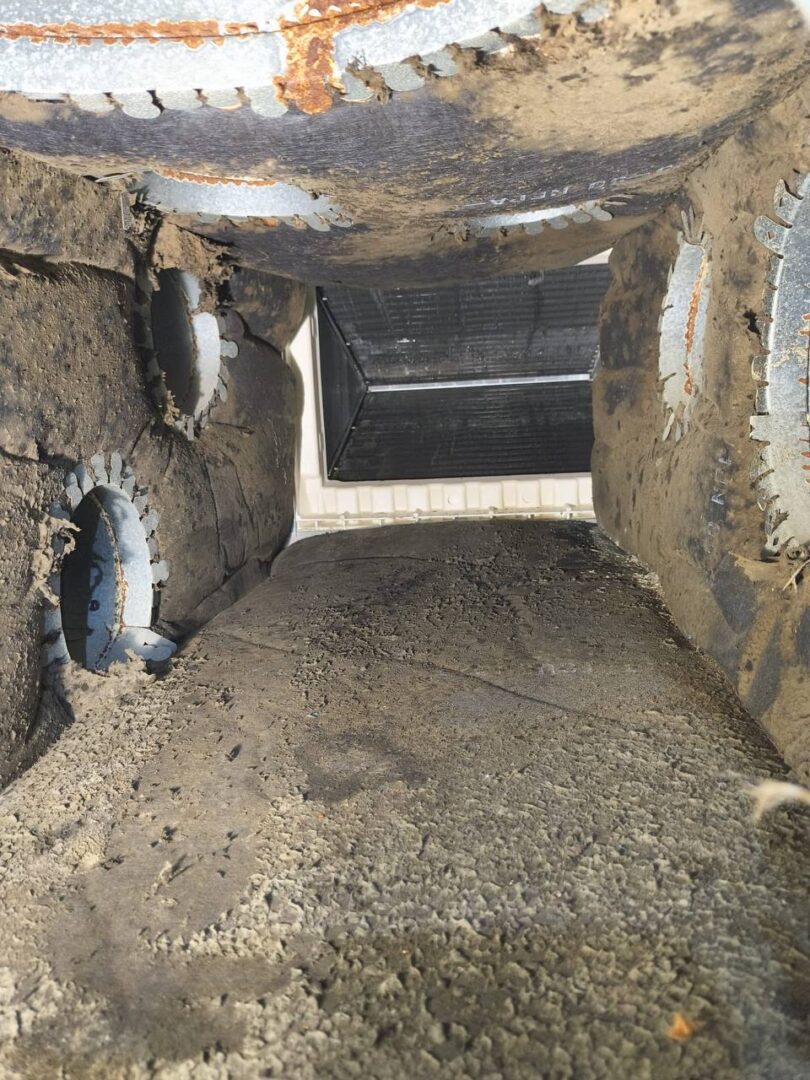
If you live in Baton Rouge, you know Louisiana’s capital city has a character all its own — from the Mississippi River views to the live oaks on the LSU campus to the distinctive aroma of gumbo drifting through the air. But have you ever thought about what’s actually in the air inside your home? While outdoor air quality gets plenty of attention, the air circulating through your ductwork has a direct impact on your comfort, your energy bills, and the cleanliness of your living space.
This guide explains how Baton Rouge’s unique environment — river humidity, industrial activity, flood history, and humid subtropical climate — creates specific indoor air quality challenges that homeowners throughout East Baton Rouge Parish, Livingston Parish, Ascension Parish, and the surrounding area should understand.
Why Baton Rouge Homes Face Distinct Indoor Air Quality Challenges
Baton Rouge sits in a unique geographic position that amplifies several indoor air quality factors:
- Mississippi River humidity: Being just a few miles from the Mississippi means ambient humidity levels that consistently exceed 70% for much of the year. High outdoor humidity infiltrates homes through natural ventilation, window seals, and even the ductwork itself — particularly in homes with slab foundations or uninsulated attic ducts.
- Industrial corridor particulates: Baton Rouge sits in the heart of Louisiana’s industrial corridor. While industrial emissions are regulated, the outdoor air carries fine particulate matter that enters homes through HVAC intake vents and leaks in ductwork.
- Flood history and legacy moisture: The 2016 floods affected thousands of homes in the Baton Rouge area. Even homes that didn’t take on standing water experienced elevated ground moisture that affected slab-encased duct systems. This legacy moisture continues to create conditions conducive to microbial growth in ducts that were never properly dried or cleaned after the flood events.
- Swamp and bayou proximity: The surrounding wetlands — from the Atchafalaya Basin to the Honey Island Swamp — contribute to higher baseline mold spore counts in outdoor air. These spores enter homes through open windows, doors, and HVAC intake vents.
Common Indoor Air Pollutants in Baton Rouge Homes
Based on the specific conditions of the Baton Rouge market, here are the most common pollutants affecting indoor air quality in local homes:
- Mold spores: Aspergillus, Penicillium, and Cladosporium species thrive in humid duct environments. Baton Rouge’s extended warm season (March through November) provides ideal conditions for spore proliferation in ductwork that contains any organic debris or moisture.
- Dust mites: These microscopic organisms flourish when relative humidity stays above 50%. Baton Rouge’s average humidity exceeds this threshold for the majority of the year, making dust mite populations a year-round concern rather than a seasonal one.
- Pollen: Oak, pine, sweetgum, and grass pollen loads are heavy in the Baton Rouge area from February through June. HVAC systems pull outdoor air through intake vents, and without proper filtration, pollen circulates through ductwork into every room.
- Construction and renovation debris: Baton Rouge has seen steady growth and redevelopment. New construction and remodeling projects produce fine drywall dust, wood particles, and insulation fibers that easily infiltrate duct systems.
- Cooking particles: Louisiana’s rich culinary tradition means more time in the kitchen. Grease particles and cooking odors that aren’t fully exhausted can accumulate in return air ducts and recirculate throughout the home.
Note: AH-CHOO! provides air duct cleaning and source removal. We do not offer air quality testing or monitoring services. Discussing pollutants here helps homeowners recognize potential signs — it is not a substitute for professional assessment.
How Your Air Ducts Affect Baton Rouge Indoor Air Quality
Think of your ductwork as the respiratory system of your home. Every time your HVAC system runs — which in Baton Rouge is nearly year-round for cooling — air passes through the duct network before entering your living spaces. If that ductwork contains accumulated debris, mold, pests, or dust, those contaminants are distributed throughout your home with every heating and cooling cycle.
Several factors specific to Baton Rouge homes make duct condition particularly important for IAQ:
- Slab-encased ducts: Many Baton Rouge homes built before 2000 have ductwork embedded in concrete slab foundations. These ducts are vulnerable to groundwater moisture wicking through the concrete, creating persistent damp conditions that support microbial growth.
- Attic duct condensation: With summer attic temperatures exceeding 130°F, the temperature differential between chilled air inside ducts and the surrounding attic air creates significant condensation. Over time, this moisture supports mold growth inside duct insulation and on duct surfaces.
- Pest intrusion: Roaches, rodents, and other pests are common in Louisiana homes, and ductwork provides an ideal highway for movement between rooms. Pest droppings, dander, and nesting materials become airborne contaminants when the HVAC system runs.
- Filter bypass: Even a high-quality air filter is ineffective if it doesn’t fit properly or if air bypasses it through gaps in the filter housing. This is a common issue in Baton Rouge homes where filter slots were designed for older, smaller filters.
Signs Your Baton Rouge Home May Have Duct-Related IAQ Problems
How can you tell if your home’s indoor air quality is being affected by your ductwork? Watch for these signs:
- Visible dust escaping from supply registers — If you see dust particles blowing out of your air vents when the system runs, your ducts likely contain accumulated debris that’s being recirculated.
- Musty or stale odors — A persistent musty smell, especially after rain or during humid weather, often indicates microbial growth somewhere in the duct system.
- Uneven cooling or heating — Rooms that are noticeably warmer or cooler than others may indicate duct obstructions, disconnections, or debris buildup restricting airflow.
- Increased allergy symptoms indoors — If family members experience stuffiness, sneezing, or eye irritation primarily while at home but feel better when away, the indoor environment — including duct-distributed pollutants — may be a contributing factor.
- Visible mold near registers — Black or green discoloration around supply or return registers is a clear indicator of moisture and microbial issues in the duct system.
Important: The presence of these signs does not automatically confirm a duct problem. A professional inspection is the only reliable way to determine duct condition and appropriate action.
Professional Solutions for Better Baton Rouge Indoor Air Quality
When duct-related issues are affecting your home’s indoor air quality, the primary solution is source removal — physically cleaning the duct system to remove accumulated debris, mold, and contaminants. Here’s what the process involves:
- NADCA-certified air duct cleaning: Professional cleaning by a NADCA-certified company uses specialized equipment — including HEPA-filtered negative air machines, rotating brush systems, and compressed air tools — to dislodge and capture debris from the entire duct network. This is fundamentally different from simple vent cleaning or “blow-and-go” services that only address surface-level dust.
- Antimicrobial treatment: Where microbial growth is present, an EPA-registered antimicrobial treatment may be applied to treated surfaces after cleaning. This helps inhibit future growth but is only effective when applied to thoroughly cleaned surfaces.
- HVAC maintenance synergy: Duct cleaning is most effective when combined with regular HVAC maintenance — including filter changes every 1-3 months, annual system inspections, and prompt repair of any duct leaks or disconnections.
AH-CHOO! Indoor Air serves Baton Rouge and the surrounding capital region with NADCA-certified air duct cleaning. Every cleaning includes a before-and-after inspection with digital documentation, so you can see exactly what was removed from your system.
Frequently Asked Questions About Baton Rouge Indoor Air Quality
Q: Does air duct cleaning improve indoor air quality in Baton Rouge?
A: Yes, when ducts contain accumulated debris, mold, or contaminants, professional NADCA-certified cleaning removes those pollutants at the source. This prevents them from being recirculated through your home every time the HVAC system runs. Keep in mind that duct cleaning addresses duct-borne pollutants, not all indoor air quality factors — it is one component of a comprehensive IAQ approach that also includes proper filtration, ventilation, and source control.
Q: How often should Baton Rouge homeowners clean their air ducts for good IAQ?
A: NADCA recommends inspecting air ducts annually and cleaning as needed — typically every 3 to 5 years for most homes. However, Baton Rouge’s high humidity and extended cooling season may warrant more frequent inspections. Homes with pets, smokers, recent renovations, or family members with respiratory sensitivities may benefit from more frequent cleaning. The key is inspection-based cleaning: clean when there’s documented evidence of need, not on a fixed schedule.
Q: What causes poor indoor air quality in Baton Rouge homes?
A: Several factors contribute to IAQ issues in the Baton Rouge area: high outdoor humidity that supports mold and dust mite populations, outdoor particulate matter from industrial activity and vehicle traffic, pest intrusion into ductwork, and accumulated debris in duct systems that haven’t been cleaned in years or decades. The combination of Louisiana’s climate and the capital region’s unique environmental factors creates IAQ challenges that differ from other parts of the country.
Q: Is Baton Rouge indoor air quality affected by industrial activity?
A: Baton Rouge’s location along the Mississippi River industrial corridor means outdoor air contains higher levels of certain fine particulates compared to more rural areas. These particulates can enter homes through HVAC intake vents, open windows, and duct system leaks. While regulatory monitoring ensures compliance with air quality standards, the cumulative effect of outdoor particulates on indoor air quality is something Baton Rouge homeowners should be aware of.
Q: Can air duct cleaning help with Baton Rouge humidity-related mold?
A: Professional air duct cleaning removes existing mold colonies and mold-supporting debris from duct surfaces. Combined with antimicrobial treatment, this addresses active mold issues within the duct system. However, duct cleaning alone does not control the humidity levels that allow mold to grow. Addressing the underlying moisture source — whether through duct sealing, insulation improvement, HVAC system adjustment, or whole-home dehumidification — is essential for long-term mold prevention.
Q: Does AH-CHOO serve all Baton Rouge area neighborhoods?
A: Yes. AH-CHOO! Indoor Air provides air duct cleaning services throughout the Baton Rouge capital region, including Baton Rouge proper, Denham Springs, Prairieville, Gonzales, Baker, Zachary, Port Allen, and all surrounding areas in East Baton Rouge, West Baton Rouge, Livingston, and Ascension parishes. Contact us to schedule a free inspection and consultation for your home.
Take the Next Step for Better Baton Rouge Indoor Air Quality
Your home’s ductwork plays a critical role in the air you and your family breathe every day. If you’re concerned about indoor air quality in your Baton Rouge home — whether you’re noticing dust, musty odors, or simply want to ensure your HVAC system is operating at its best — a professional duct inspection is the right first step.
AH-CHOO! Indoor Air offers free inspections for Baton Rouge homeowners. Our NADCA-certified technicians will inspect your duct system, document the findings, and provide clear recommendations based on what we find — not a one-size-fits-all sales pitch.
Contact AH-CHOO! today to schedule your free Baton Rouge duct inspection and take control of your home’s indoor air quality.
Related Service Areas
- Indoor Air Quality in New Orleans, LA
- Indoor Air Quality in Mandeville, LA
- Indoor Air Quality in Lafayette, LA
- Mold in Air Ducts — Baton Rouge, LA
Related AH-CHOO resources: South Louisiana air duct cleaning.