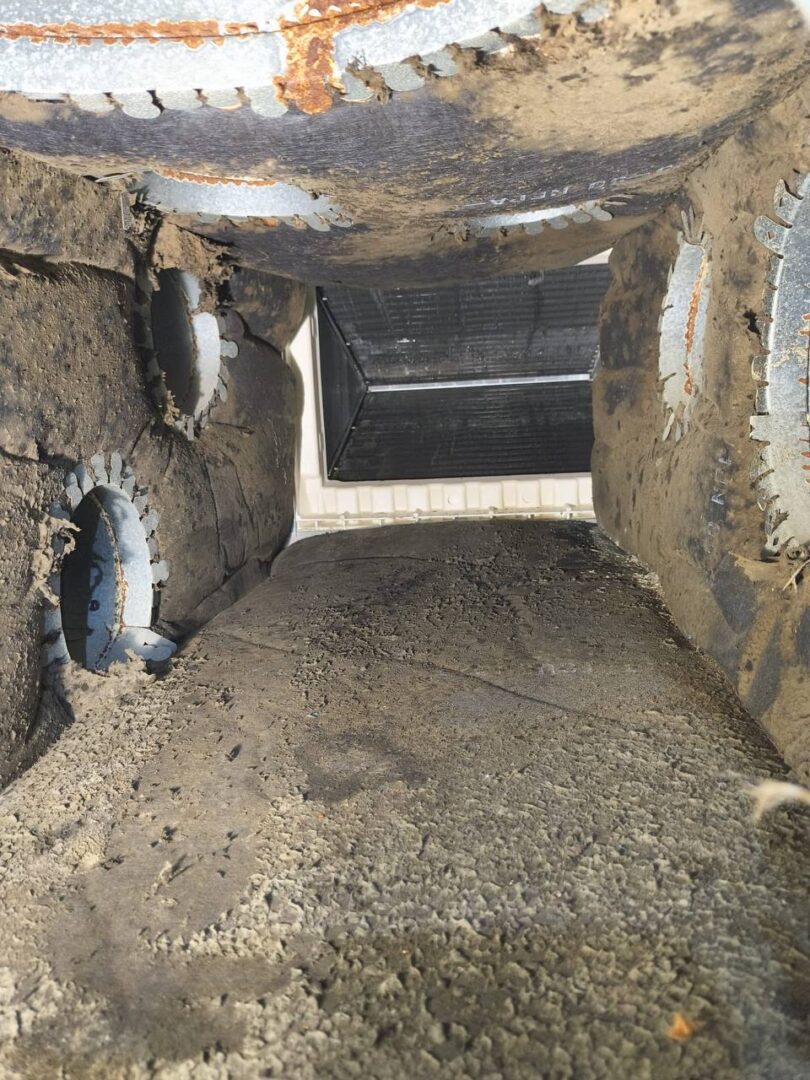
New Orleans is unlike any other American city — and not just because of its culture, cuisine, and architecture. The Crescent City’s unique geography, climate, and building history create indoor air quality (IAQ) challenges that differ significantly from other Gulf Coast markets like Houston or Mobile. If you live in New Orleans, understanding how your home’s air duct system affects your indoor environment is key to breathing easier indoors.
While Houston has more than 15 dedicated indoor air quality posts covering its suburbs, New Orleans — despite its humidity, flood history, and aging building stock — has had zero localized IAQ content. This guide changes that, offering New Orleans homeowners a city-specific look at indoor air quality and the role professional air duct cleaning plays in maintaining a healthy home environment.
Why New Orleans Homes Face Unique Indoor Air Quality Challenges
New Orleans’ indoor air quality challenges stem from six interconnected factors that create a perfect storm for airborne particulates and duct-borne contaminants:
- Post-Katrina building stock. The 2005 levee failures triggered the largest rebuilding effort in American history. Many homes were rebuilt quickly between 2006-2010, with ductwork installed under varying quality standards. Some replacement ducts were undersized, poorly sealed, or installed with materials that degrade faster in humid conditions. Nearly two decades later, that post-storm ductwork is reaching the end of its functional lifespan.
- Flood zone dynamics. Even homes that never took on water in New Orleans experience higher groundwater moisture. The city sits below sea level, protected by levees and pumps. This means slab foundations and crawl spaces stay consistently damp, transferring moisture into duct systems through concrete wicking and vapor drive.
- Canal and waterway proximity. New Orleans is crisscrossed by drainage canals — the 17th Street Canal, Orleans Canal, London Avenue Canal — as well as Bayou St. John and the Industrial Canal. Standing water in these waterways creates higher ambient humidity and elevated mold spore loads in nearby neighborhoods like Lakeview, Mid-City, and Gentilly.
- Historic architecture. The French Quarter, Garden District, Uptown, and Marigny are filled with historic homes — some over 150 years old. These properties often have retrofitted duct systems installed in unconditioned crawl spaces, attics, or closets, with less sealing than modern construction. Older homes also tend to have more air leakage, pulling in unfiltered outdoor air and humidity.
- Mardi Gras and event dust. New Orleans hosts hundreds of events annually — from Carnival season to Jazz Fest to Essence Fest — that bring crowds, street traffic, and debris. Mardi Gras alone generates tons of parade debris: bead dust, confetti residue, horse waste from parade horses, and stirred-up street particulate that finds its way into HVAC intakes, especially near the parade routes through Uptown, Mid-City, and the Marigny/Bywater corridor.
- Lake Pontchartrain influence. The lake acts as a massive humidity reservoir. Lakeside neighborhoods like Lakeview, Lakeshore, and University area experience higher ambient moisture levels than inland neighborhoods, compounding indoor humidity issues during the nine-month warm season.
Common New Orleans Indoor Air Pollutants
New Orleans homes contend with a distinct mix of indoor air pollutants shaped by the local environment:
- Mold spores. Aspergillus and Penicillium species thrive in New Orleans’ humid environment. These common indoor molds can colonize ductwork when moisture is present, releasing spores that circulate through the home every time the HVAC system runs.
- Dust mites. Gulf Coast humidity provides ideal conditions for dust mite populations. These microscopic creatures and their waste particles are a common indoor allergen that accumulates in ductwork and bedding.
- Pollen. New Orleans’ dense tree canopy — live oaks, pines, sweet gums, and crepe myrtles — produces heavy pollen loads from February through May. Oak pollen in particular creates a visible yellow coating that infiltrates homes through open windows and HVAC intakes.
- Construction and renovation debris. The post-Katrina rebuild cycle continues, with ongoing renovations in historic neighborhoods and new infill construction. Drywall dust, sawdust, and insulation fibers from nearby projects can enter duct systems through return air intakes.
- Cooking odors and grease particles. New Orleans’ culinary tradition — heavy on stovetop frying, gumbo, and étouffée — generates grease-laden cooking vapors that can accumulate in kitchen return vents and recirculate through ductwork. The combination of grease and humidity is particularly challenging for duct hygiene.
How Air Duct Condition Affects Indoor Air Quality
Your home’s duct system functions as its respiratory system. The same network of metal, fiberboard, or flexible ducts that delivers cool air in summer and warmth in winter also recirculates air throughout your living spaces — including any contaminants trapped inside. Here’s how duct condition directly impacts New Orleans indoor air quality:
- Debris accumulation leads to re-circulation. Over time, dust, pet dander, pollen, and construction debris settle inside ductwork. Every time the HVAC blower runs, some of this accumulated material becomes airborne, creating a continuous re-circulation loop that keeps particulate levels elevated indoors.
- Condensation in uninsulated ducts promotes mold growth. New Orleans’ warm, humid air meets cool duct surfaces — especially in unconditioned attics and crawl spaces — creating condensation. Where moisture persists, mold colonizes. Uninsulated or poorly insulated ductwork in New Orleans attics is particularly vulnerable during the nine-month cooling season.
- Pest intrusion affects duct cleanliness. New Orleans’ older building stock and warm climate mean roaches, rodents, and other pests can enter duct systems through gaps, loose connections, or damaged flex duct. Pest droppings, shed skins, and nesting materials become biological contaminants that degrade indoor air quality.
- Duct leakage draws in unfiltered air. Leaky ducts — common in older New Orleans homes — create negative pressure that pulls unfiltered air from crawl spaces, attics, and wall cavities directly into the airstream, bypassing the HVAC system’s filter entirely.
Signs Your New Orleans Home May Have Poor Indoor Air Quality from Duct Issues
New Orleans homeowners often dismiss IAQ symptoms as just “how it is” in a humid climate. But these specific signs suggest your duct system may be the source of your indoor air quality concerns:
- Visible dust escaping from supply registers. If you see dust accumulating around floor or ceiling registers shortly after cleaning, your ductwork is releasing accumulated debris into living spaces.
- Musty odors — especially after rain. A persistent musty or earthy smell when the HVAC runs, particularly following rain events, strongly suggests microbial growth inside the duct system. In New Orleans, this smell is common in Lakeview, Gentilly, and other lakeside neighborhoods.
- Uneven cooling between rooms. If some rooms cool properly while others struggle, duct obstructions — including debris buildup, mold colonies, or pest nests — may be restricting airflow.
- Family members experiencing indoor respiratory symptoms. When allergy-like symptoms — sneezing, congestion, itchy eyes, headaches — improve when away from home (work, school, vacation) but return within hours of being home, the indoor environment — often the duct system — is a likely contributor.
- Visible mold on vent grilles or around registers. Black, green, or white growth around supply registers is a direct indicator that mold is present in the duct system and being pushed into living spaces.
Professional Solutions for Better Indoor Air Quality
Improving indoor air quality in New Orleans homes starts with addressing the duct system — the primary distribution network for your indoor air. Here are the professional approaches that make a measurable difference:
- NADCA-certified air duct cleaning. The National Air Duct Cleaners Association (NADCA) sets the standard for thorough duct cleaning. A NADCA-certified cleaning uses source-removal methods — agitation, negative air pressure, and HEPA filtration — to physically remove debris from the entire duct system, not just the visible portions. For New Orleans homes, NADCA-certified cleaning is particularly important because the city’s high humidity means debris in ducts becomes a mold-feeding medium more quickly than in drier climates.
- Antimicrobial duct treatment. In cases where mold has colonized duct surfaces, a registered antimicrobial treatment may be applied to sanitize the duct interior after mechanical cleaning. This is not a substitute for cleaning — source removal always comes first — but it provides an additional layer of protection in New Orleans’ moisture-prone environment.
- HVAC maintenance synergy. Regular HVAC maintenance — including filter changes every 30-60 days, coil cleaning, and drain pan inspection — works in concert with duct cleaning to maintain indoor air quality. A clean HVAC system with clean ducts provides measurably better IAQ than addressing either component alone.
Important: AH-CHOO does not perform IAQ assessments or monitoring. Our NADCA-certified air duct cleaning process is designed to improve indoor air quality through source removal of accumulated debris. The result is an HVAC system that can perform as intended. As with any indoor environmental service, results vary based on home conditions, occupancy patterns, and the presence of ongoing moisture sources.
Frequently Asked Questions About Indoor Air Quality in New Orleans
Does air duct cleaning improve indoor air quality in New Orleans?
Yes. NADCA-certified air duct cleaning removes accumulated dust, debris, and microbial contaminants from the duct system, directly improving the quality of air circulating through your home. In New Orleans’ humid climate, this source removal is especially important because moisture accelerates debris breakdown and microbial growth inside ducts.
How often should New Orleans homeowners clean their air ducts for good IAQ?
NADCA recommends duct inspection every 2-3 years, with cleaning based on inspection findings. New Orleans homeowners — particularly those in lakefront neighborhoods, historic homes, or homes with pets — may benefit from more frequent inspections given the city’s year-round humidity and older building stock.
What causes poor indoor air quality in New Orleans homes?
The primary contributors are: high ambient humidity (70-90% year-round), post-Katrina ductwork quality variability, leaking ducts in unconditioned spaces, accumulated debris in aging duct systems, mold growth from condensation, and outdoor pollutants (pollen, construction dust, event debris) entering through return air intakes.
Can air duct cleaning help with New Orleans humidity-related mold?
Yes — but with an important distinction. Duct cleaning removes existing mold colonies and the nutrient source (dust, debris) that feeds future growth. However, if the underlying moisture problem — leaky ducts, uninsulated ductwork, high indoor humidity — is not addressed, mold will eventually return. Duct cleaning combined with proper HVAC maintenance and moisture management provides the best long-term result.
Is indoor air quality worse in New Orleans than other cities?
New Orleans faces distinct IAQ challenges due to its combination of below-sea-level elevation, aging building stock, historic architecture, and year-round high humidity. While Houston has similar humidity levels, New Orleans’ older and more diverse building stock, post-Katrina construction variability, and waterway proximity create a unique IAQ profile that requires localized solutions.
Does AH-CHOO serve all New Orleans neighborhoods?
Yes. AH-CHOO provides NADCA-certified air duct cleaning and HVAC sanitation services throughout the New Orleans metro area, including Orleans Parish, Jefferson Parish, St. Bernard Parish, and Plaquemines Parish. We serve the French Quarter, Garden District, Uptown, Mid-City, Lakeview, Gentilly, Bywater, Marigny, Treme, Broadmoor, Carrollton, and all New Orleans neighborhoods within a 1.5-hour service radius.
Disclaimer: This information is for educational purposes only. AH-CHOO’s air duct cleaning services are designed to improve HVAC system cleanliness and indoor air quality but do not prevent illness, cure allergies, or guarantee specific health outcomes. Individual results vary. Always consult a qualified healthcare provider for health concerns related to indoor air quality.
Related Service Areas
- Indoor Air Quality in Baton Rouge, LA
- Indoor Air Quality in Mandeville, LA
- Indoor Air Quality in Lafayette, LA
- Mold in Air Ducts — Baton Rouge, LA
Related AH-CHOO resources: South Louisiana air duct cleaning; schedule a free inspection.