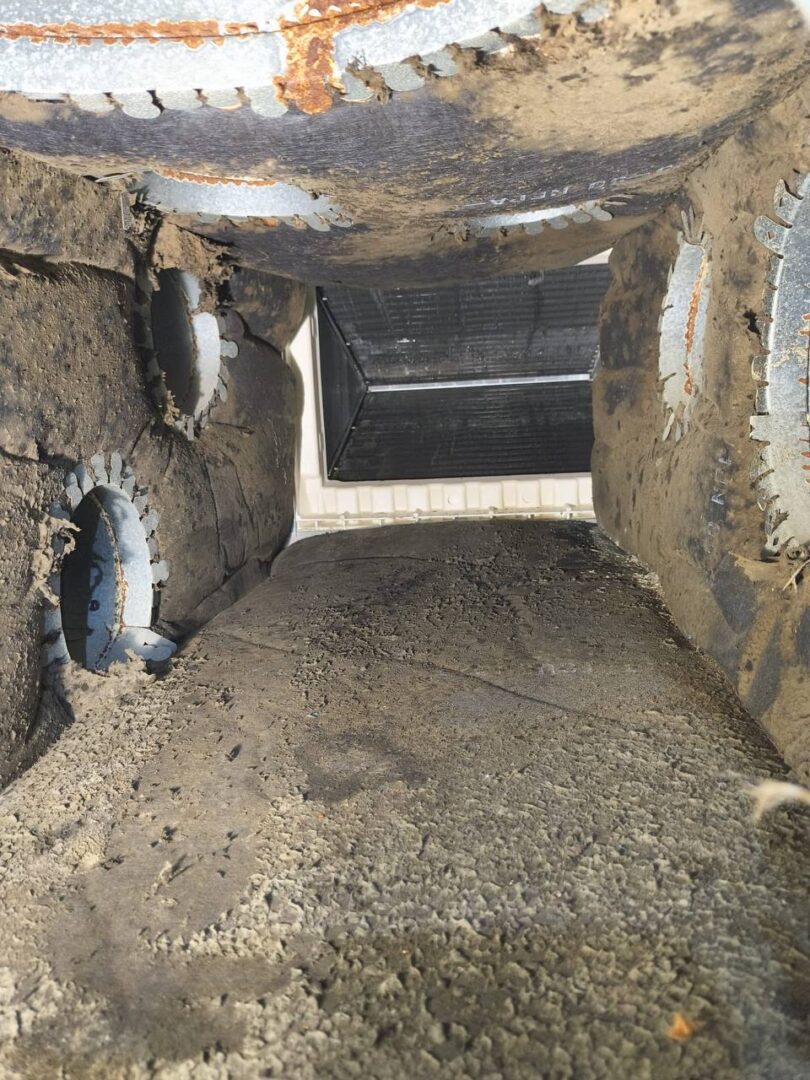
If you’ve ever wondered whether your home’s air ducts need attention, you’re not alone. Homeowners across Texas and Louisiana face dust buildup, musty odors, and uneven temperatures — and the first question is always the same: Do I need air duct cleaning? But before you reach for a cleaning service, there’s a critical first step that protects your investment and ensures you’re getting what you actually need: a professional air duct inspection.
An air duct inspection is the diagnostic foundation that separates necessary maintenance from unnecessary work. This comprehensive guide covers everything you need to know — from what inspectors actually check to how NADCA certification ensures quality — so you can make informed decisions about your home’s indoor air system.
What Is an Air Duct Inspection?
An air duct inspection is a systematic evaluation of your home’s entire ductwork system — the network of metal, fiberglass, or flexible tubes that distribute conditioned air from your HVAC unit to every room. Unlike a general home inspection that glances at visible registers, a professional duct inspection examines the full pathway: supply ducts, return ducts, plenums, register boots, the air handler compartment, evaporator coil, blower wheel, and filter housing.
According to NADCA (National Air Duct Cleaners Association) standards, a complete inspection uses specialized tools — borescope cameras to peer inside ducts, manometers to measure static pressure, and sometimes particle counters or moisture meters — to document the actual condition of your ductwork. The result is a detailed report showing exactly what’s inside your ducts: debris accumulation, microbial growth, pest evidence, leaks, disconnected sections, or nothing at all.
Importantly, an inspection is not the same as cleaning. An inspection identifies what’s happening in your system. Cleaning addresses those findings. A reputable provider inspects first, then recommends cleaning only if the inspection justifies it. This protects you from paying for services you don’t need.
What Does a Professional Air Duct Inspection Check?
A thorough inspection covers eight key areas of your HVAC and ductwork system:
- Supply and return duct interiors: Inspectors use camera scopes to examine the inside walls of main trunk lines and branch ducts for dust accumulation, debris, mold, pest droppings, or insulation breakdown.
- Register boots and grilles: The connection points where ducts meet your floors, walls, or ceilings are common collection points for household dust and pet hair. Inspectors remove grilles to check boot interiors.
- Air handler compartment: The interior of the air handler — including the blower motor, blower wheel, and housing — is examined for dust buildup that reduces airflow and strains the motor.
- Evaporator coil: A dirty or fouled coil reduces cooling efficiency significantly. The inspector checks for dirt, microbial growth, and coil fin damage that impairs heat transfer.
- Filter condition and fit: A poorly fitted or overloaded filter allows bypass air to carry dust directly into the system. The inspector verifies the correct filter size, MERV rating, and seal.
- Duct connections and seals: Separated joints and leaking ducts can lose 20–30% of conditioned air into attics or crawl spaces. The inspector checks for visible gaps and disconnected sections.
- Insulation integrity: Duct insulation prevents condensation on duct exteriors in humid climates. Damaged or missing insulation is noted, especially in unconditioned attic spaces.
- Return air pathways: Adequate return airflow prevents pressure imbalances that pull unfiltered air from wall cavities, attics, or crawl spaces.
Signs You Need an Air Duct Inspection
Not every home needs an inspection today. But certain signs suggest it’s time to call a professional:
- Visible mold inside ducts or on registers: Any discoloration around vent openings or a musty odor when the system runs warrants immediate inspection.
- Excessive dust accumulation: If you’re dusting surfaces and changing filters more frequently than usual, your ducts may be circulating debris.
- Uneven room temperatures: Rooms that are consistently warmer or cooler than others often indicate blocked, leaking, or disconnected ducts.
- Unexplained odors: Persistent musty, stale, or animal-related smells that intensify when the HVAC runs point to contamination inside the ductwork.
- Recent home renovation: Construction creates enormous amounts of fine particulate — drywall dust, wood sanding debris, and insulation fibers — that settle in ductwork and recirculate for months.
- Purchasing a new home: A pre-purchase duct inspection reveals what’s lurking in the system before you commit. Sellers may have deferred maintenance, and you don’t want to inherit their problems.
- Higher energy bills without explanation: Leaking or obstructed ducts force your HVAC to work harder, driving up utility costs.
- No history of duct inspection: If you’ve lived in your home for years without ever having the ducts assessed, you simply don’t know what condition they’re in.
Air Duct Inspection vs. Air Duct Cleaning: What’s the Difference?
One of the most common misconceptions is that inspection and cleaning are the same service — or that you should always choose cleaning over inspection. Here’s how they compare:
| Feature | Air Duct Inspection | Air Duct Cleaning |
|---|---|---|
| Purpose | Diagnose system condition | Remove accumulated debris and contaminants |
| When to use | Before cleaning, after renovations, pre-purchase, routine check | When inspection confirms contamination, mold, or excessive debris |
| Tools used | Borescope camera, manometer, moisture meter, visual assessment | Negative air machine, HEPA vacuum, rotary brushes, compressed air tools |
| Duration | 45–90 minutes | 2–5 hours depending on home size |
| Deliverable | Written report with photographic evidence | Clean, sanitized ductwork verified post-cleaning |
| NADCA standard | ACR 2013 assessment protocol | ACR 2013 cleaning and restoration procedures |
The sequence matters: inspection first, then cleaning only if the inspection documents a legitimate need. This approach — which NADCA-certified providers follow — prevents unnecessary work and gives you confidence that any cleaning performed addresses real, documented conditions.
How Often Should Air Ducts Be Inspected?
NADCA recommends a professional duct inspection every two years under normal conditions. However, several factors justify more frequent inspections:
- Gulf Coast climate (Texas & Louisiana): Year-round humidity creates condensation inside ductwork, promoting microbial growth. Homes in Houston, New Orleans, Baton Rouge, and surrounding areas may benefit from annual inspections.
- After major renovation or construction: Even with protective measures, drywall dust, sawdust, and insulation fibers find their way into ductwork. Schedule an inspection within 2–4 weeks of completing construction work.
- Following water damage or flooding: Whether from a hurricane, burst pipe, or AC condensate overflow, water in ductwork requires prompt inspection to assess mold risk and structural damage.
- If you have pets: Homes with dogs, cats, or other shedding animals accumulate pet dander and hair in the duct system more quickly.
- After moving into a previously owned home: You typically don’t know the maintenance history — inspect within the first 60 days.
DIY vs. Professional Air Duct Inspection
Homeowners can perform a basic surface-level check, but there are clear limits to what you can see without professional equipment:
What You Can Check Yourself
- Remove a few register covers and look inside with a flashlight — you may see surface dust or debris near the opening.
- Check for visible mold or discoloration around vent openings.
- Hold a tissue near registers while the system runs — if it flutters weakly or not at all, airflow may be restricted.
- Listen for unusual sounds: rattling (loose ducts), whistling (air leaks), or thumping (obstructed airflow).
- Inspect the filter slot for proper fit and note how quickly filters become dirty.
What Requires a Professional
- Camera scoping: A flashlight only shows the first few inches. A borescope camera can travel 20+ feet into duct branches to inspect the full length.
- Airflow measurement: Manometers and anemometers provide objective data on static pressure and CFM (cubic feet per minute) that reveal hidden obstructions.
- Moisture assessment: Moisture meters detect elevated humidity inside ducts that isn’t visible on surfaces — critical for early mold prevention.
- Leak detection: Professionals can pressurize the system to quantify total leakage and pinpoint specific failure points.
What NADCA Certification Means for Air Duct Inspection
NADCA (National Air Duct Cleaners Association) sets the industry standard for HVAC system inspection, cleaning, and restoration. When a provider is NADCA-certified, it means:
- They follow the ACR 2013 Standard: The Assessment, Cleaning, and Restoration of HVAC Systems standard defines exactly what an inspection must include, how findings should be documented, and what qualifies as “clean.”
- Certified technicians: At least one Air Systems Cleaning Specialist (ASCS) must be on staff, having passed a rigorous examination covering HVAC design, contamination control, safety protocols, and industry best practices.
- Continuing education: NADCA-certified firms must maintain certification through ongoing education, ensuring their technicians stay current with advances in equipment, techniques, and health research.
- Ethical obligation to inspect first: The NADCA code of ethics requires members to assess the system before recommending treatment — in other words, inspection before cleaning is mandatory, not optional.
When you hire a NADCA-certified provider for an inspection, you’re getting an assessment that meets nationally recognized standards, not a sales pitch disguised as an evaluation. This distinction matters enormously in an industry where consumers report wide variation in quality and honesty.
Climate-Specific Considerations: Texas and Louisiana
Duct inspection recommendations vary by climate, and the Gulf Coast region presents unique challenges:
Gulf Coast Humidity (Houston, New Orleans, South Louisiana)
With relative humidity routinely exceeding 70%, condensation inside ductwork is not a question of if but when — especially in unconditioned attics where duct surface temperatures drop below the dew point. This moisture supports microbial growth, degrades duct insulation, and creates conditions where dust adheres to duct walls rather than passing through. Annual inspections in this climate zone are a wise investment.
Hill Country Limestone Dust (Austin, San Antonio, Georgetown)
Central Texas sits on the Edwards Plateau — a limestone formation that produces exceptionally fine, abrasive dust. This dust infiltrates ductwork through even minor leaks and accumulates on evaporator coils, blower wheels, and duct interiors faster than in other regions. The dust is chemically alkaline, which can accelerate corrosion on metal components over time.
Post-Hurricane Inspection Priorities
Following a Gulf hurricane or tropical storm, inspect ducts for water intrusion, even if your home didn’t flood visibly. Wind-driven rain can enter through roof vents, soffit vents, or exterior wall penetrations, traveling into ductwork through disconnected joints. If your HVAC system was submerged or exposed to floodwater, replacement of affected duct sections is typically required — cleaning alone is insufficient.
What to Expect During a Professional Air Duct Inspection
When you schedule an inspection, here’s what a thorough NADCA-standard assessment looks like:
- System interview: The technician asks about concerns — odors, dust levels, allergy symptoms, energy bills, renovation history — to focus the inspection.
- Filter and air handler access: The blower compartment is opened for inspection of the motor, wheel, coils, and housing.
- Register-by-register camera scoping: A borescope is inserted at each accessible register to document duct interior conditions. Images are captured for the report.
- Airflow and pressure testing: Static pressure measurements identify restrictions. Optional duct leakage testing quantifies energy losses.
- Moisture screening: Elevated moisture readings in ducts or insulation are flagged with the specific location.
- Photographic report: You receive before-and-after images (if cleaning is performed) or a conditions-only report with findings and recommendations.
The entire process for a typical 1,500–2,500 square foot home takes 60–90 minutes. You should be present to ask questions and see findings firsthand, but you don’t need to hover — the report documents everything.
Frequently Asked Questions About Air Duct Inspection
Q: What is an air duct inspection?
A: An air duct inspection is a professional diagnostic assessment of your home’s entire ductwork and HVAC air handling system. Using cameras, pressure gauges, and moisture meters, a trained technician examines the interior condition of ducts, registers, coils, blower components, and filter housing to identify debris, mold, leaks, or damage.
Q: What does a professional air duct inspection check?
A: A complete inspection checks supply and return duct interiors (via camera scope), register boots and grilles, the air handler compartment, evaporator coil, blower wheel, filter fit and condition, duct connection seals, insulation integrity, and return air pathways. Each component is assessed against NADCA ACR 2013 standards.
Q: How do I know if I need an air duct inspection?
A: Schedule an inspection if you notice visible mold near vents, excessive household dust, uneven room temperatures, musty odors when the HVAC runs, higher-than-normal energy bills, or if you’ve recently completed home renovations. Also inspect after water damage events and when purchasing a previously owned home.
Q: How often should air ducts be inspected?
A: NADCA recommends inspection every two years under normal conditions. Gulf Coast homeowners (Texas and Louisiana) should consider annual inspections due to persistent humidity that promotes microbial growth in ductwork. Inspect more frequently if you have pets, after renovations, or following any water intrusion event.
Q: Can I inspect my own air ducts or do I need a professional?
A: You can perform a basic surface check — removing vent covers and looking with a flashlight, checking for visible mold, and listening for unusual sounds. However, a professional inspection uses borescope cameras that travel 20+ feet into ducts, airflow measurement instruments, and moisture meters to detect problems that surface checks miss entirely.
Related guides: Our complete duct cleaning guide covers what happens after inspection. Learn how to verify NADCA certification. Read about whether you really need duct cleaning and our residential duct cleaning guide.
Service areas: Houston | Austin | San Antonio | South Louisiana