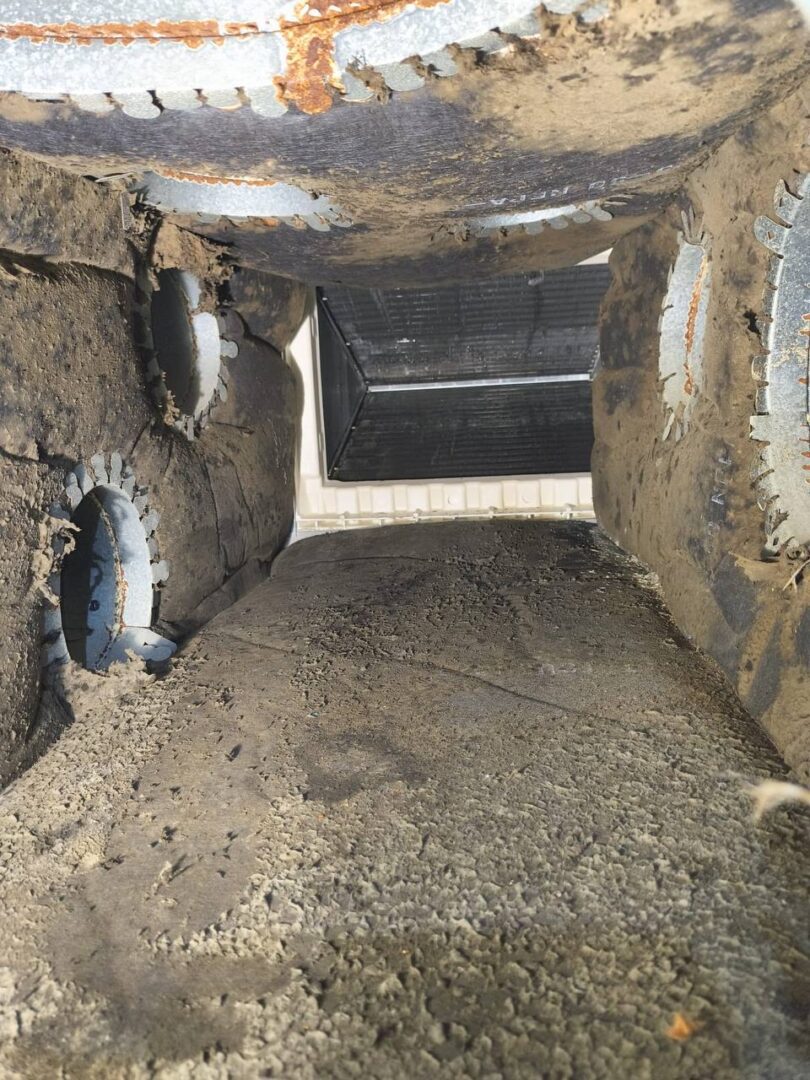
Before hiring a Houston duct cleaning company, verifying their NADCA certification takes less than five minutes — and it matters more than most homeowners realize. Of the 21 companies operating in the Houston area, only 9 hold active NADCA membership, and at least 2 others falsely claim certification they don’t have. Texas also requires a separate state license (TACL) to legally access the interior mechanical components of your HVAC system. Here’s the exact verification process.
Why Does NADCA Certification Matter for Houston Homeowners?
NADCA — the National Air Duct Cleaners Association — is the industry’s primary certification body for air duct cleaning professionals. To hold active NADCA membership, at least one technician at the company must earn the Air Systems Cleaning Specialist (ASCS) certification, which requires passing a technical exam covering HVAC inspection, cleaning standards, and contamination assessment.
The practical difference shows up on the job. NADCA members are required to follow the ACR (Assessment, Cleaning, and Restoration) Standard — the industry benchmark for what a complete duct cleaning covers and how it must be performed. A company without NADCA certification has no third-party standard governing their work. They can call it “professional duct cleaning” and perform a 20-minute air sweep with a shop vac.
NADCA itself has documented this problem extensively. Their consumer resource site identifies “blow and go” operations — companies that advertise deep-discount duct cleaning and then perform superficial work that leaves the blower wheel, air handler, and duct interiors untouched. Houston has a documented concentration of these operations, with getlocalverified.com identifying 7 active spam operations in the metro area as of March 2026.
Step 1: Check NADCA’s Public Member Directory
NADCA maintains a publicly searchable member directory at nadca.com/find-a-professional. Any company claiming NADCA certification should appear in this database — by company name, city, or zip code.
Search for the company before you book. If they don’t appear in the directory, they are not NADCA certified — regardless of what their website or marketing materials claim. Certification is not self-reported; it’s maintained by NADCA directly and updated in the public database.
What to look for in the listing:
- Active status — lapsed memberships appear differently or not at all; ask for the membership expiration date
- Certified personnel count — a company with one ASCS-certified technician and a crew of five uncertified workers is technically NADCA-listed but operationally thin
- Member since date — long-standing membership (10+ years) is a stronger signal than a company that joined recently to use the credential in marketing
Step 2: Verify the Texas State License (TACL Number)
NADCA membership is a national industry credential. It doesn’t replace the state licensing requirement that Texas imposes separately.
Texas requires any company that accesses the interior mechanical components of an HVAC system — the blower wheel, evaporator coil, and air handler — to hold an active Air Conditioning Contractor license issued by the Texas Department of Licensing and Regulation (TDLR). This license is called a TACL number. Companies performing duct cleaning without a TACL number are operating outside Texas law when they open the air handler and clean the mechanical components.
You can verify any company’s TACL number at tdlr.texas.gov/LicenseSearch by searching their business name or license number. A legitimate Houston duct cleaning company should be able to provide their TACL number before you book. If they can’t — or won’t — that’s disqualifying.
For mold remediation work, a separate TDLR license is required (Mold Assessment Consultant or Mold Remediation Contractor). If a company is quoting mold remediation alongside duct cleaning, verify both credentials.
Step 3: Ask Three Questions Before You Book
Even with NADCA listing and TACL verification confirmed, a quick pre-booking conversation separates full-system operators from “blow and go” operators:
- “Does the cleaning include the blower wheel and air handler?” — If the answer is no, or if they seem uncertain what the blower wheel is, walk away. The blower wheel is where the heaviest contamination concentrates, and skipping it is the hallmark of an incomplete cleaning.
- “How long does the job take?” — A complete full-system residential duct cleaning takes approximately six to eight hours. Any company quoting two hours or less for a full home is not performing source-removal cleaning.
- “How many jobs do your technicians complete in a day?” — Companies running three to five jobs per day per crew cannot be performing thorough system-wide cleaning. That math doesn’t work.
These questions cost nothing and filter out the majority of low-quality operators before anyone enters your home.
What AH-CHOO!’s Credentials Look Like
AH-CHOO! Indoor Air Quality has maintained active NADCA certification for 38 years. We appear in NADCA’s public member directory — you can verify it yourself at nadca.com/find-a-professional. Every Houston job is a dedicated full-day service, approximately seven hours, covering all supply and return ductwork, the blower wheel, evaporator coil area, air handler, and all registers and grilles.
One job per day, per crew. That’s not a scheduling constraint — it’s what source-removal cleaning requires when it’s done correctly.
If you’ve already gotten a quote from another company and want to cross-check their credentials before committing, a free inspection gives you a second set of eyes on what’s actually in your system — and what a real cleaning would involve.
Related: Is duct cleaning worth it in Houston during spring allergy season? | What blower wheel cleaning actually covers
Frequently Asked Questions
How do I verify a Houston duct cleaning company’s NADCA certification?
Search the public member directory at nadca.com/find-a-professional using the company’s name or Houston zip code. If they don’t appear, they are not NADCA certified regardless of what their website claims. Certification is maintained by NADCA directly and updated in real time.
Does NADCA certification mean a company is licensed in Texas?
No — these are separate credentials. NADCA is a national industry certification. Texas additionally requires a TACL (Air Conditioning Contractor) license from TDLR to legally access HVAC interior components. Verify both: NADCA at nadca.com/find-a-professional and TACL at tdlr.texas.gov/LicenseSearch.
What is the ASCS certification and why does it matter?
ASCS stands for Air Systems Cleaning Specialist — NADCA’s primary technician certification. It requires passing a technical exam covering HVAC systems, cleaning standards, and contamination assessment. At least one ASCS-certified technician must be on staff for a company to hold NADCA membership. It’s the baseline credential separating trained professionals from unlicensed operators.
What is a “blow and go” duct cleaning operation?
NADCA’s own consumer resources describe “blow and go” companies as operators who advertise deeply discounted duct cleaning and then perform superficial work — typically an air sweep without accessing or cleaning the blower wheel, air handler, or duct interiors. These operations may spend 30–60 minutes on a home that requires 6–8 hours of proper source-removal cleaning.
How many Houston duct cleaning companies are actually NADCA certified?
As of March 2026, independent research by getlocalverified.com identified 9 NADCA-certified companies among 21 reviewed in the Houston metro area, with at least 2 others falsely claiming certification. Always verify directly through NADCA’s member directory rather than relying on company self-reporting.
AH-CHOO! Indoor Air Quality is NADCA certified and has served the Houston area for 38 years. Contact us for a free inspection.
Related AH-CHOO resources: Houston air duct cleaning; schedule a free inspection.