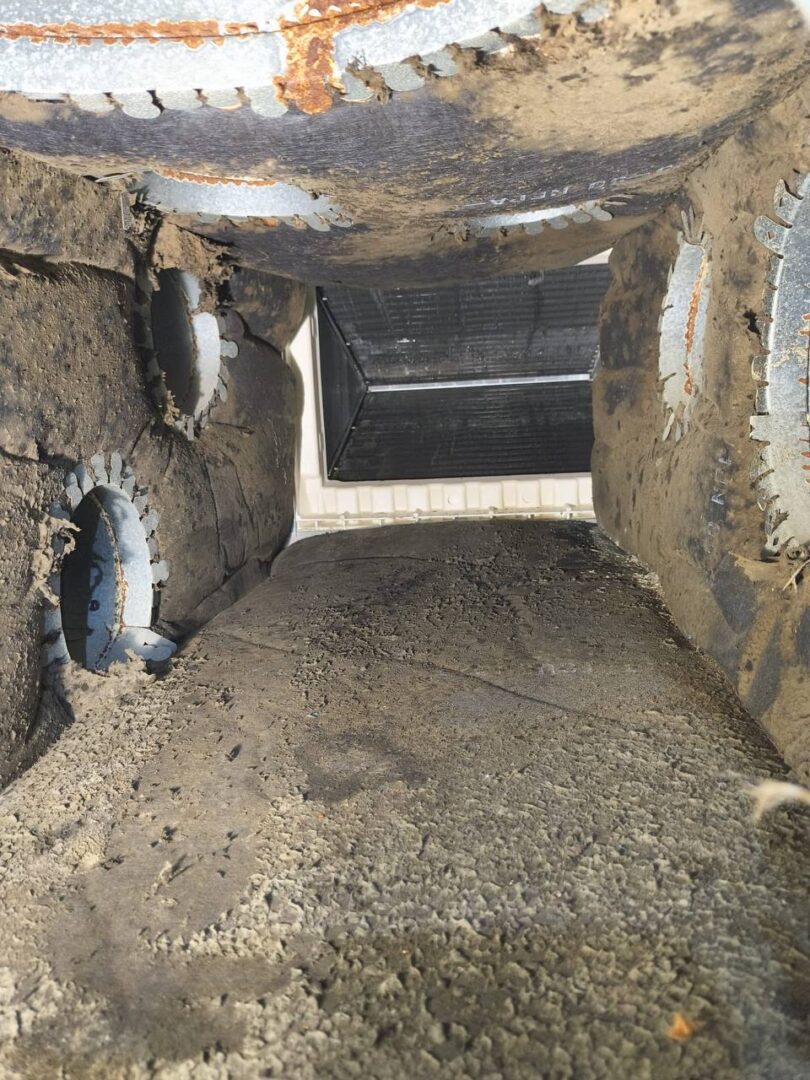
If you have been asking yourself whether air duct cleaning is actually necessary for your home, you are not alone. It is one of the most common questions homeowners across Houston, Austin, San Antonio, and South Louisiana ask. Here is the straightforward answer based on how HVAC systems actually work.
The Short Answer
Yes, air duct cleaning becomes necessary when visible signs of contamination appear or when enough time has passed for debris to accumulate inside your ductwork. But it is not something most homes need every year. The key is knowing what to look for and when to schedule an inspection.
Signs Your Air Ducts Need Professional Cleaning
- Visible dust or debris around vent covers — Dark particles clinging to registers suggest your ductwork is circulating particulate matter.
- Musty or stale odors when the HVAC first turns on — That initial smell often means accumulated contaminants in the duct system.
- Excessive dust settling on surfaces within hours of cleaning — If you dust and see a new layer the same day, your ducts could be the source.
- Dark streaks on walls above baseboard registers — Caused by air pushing particulate upward along wall surfaces.
- Recent renovation or construction — Drywall dust and construction debris can infiltrate ductwork and recirculate for months.
- Moving into an older home — Previous occupants may not have maintained the duct system.
How Often Should Air Ducts Be Cleaned?
The NADCA (National Air Duct Cleaners Association) standard recommends having your air ducts inspected every 1 to 2 years and professionally cleaned every 3 to 5 years for most homes. However, several factors can shorten that interval:
- High-humidity climate: Homes in Houston, Austin, San Antonio, and South Louisiana face higher moisture levels that accelerate debris accumulation and microbial growth.
- Pets: Dander and fur accumulate in ductwork faster than typical household dust.
- Allergies or respiratory sensitivities: Reducing airborne particulates can make a meaningful difference for household members.
- Frequent renovations: Construction dust can settle deep in the duct system.
Does Professional Air Duct Cleaning Actually Make a Difference?
When performed to NADCA standards using source-removal methods (negative air pressure combined with mechanical agitation), professional air duct cleaning removes debris that standard vacuuming and household cleaning cannot reach. After a proper cleaning, many homeowners notice three consistent changes:
- Less visible dust settling on furniture and surfaces
- Fresher-smelling air when the HVAC system runs
- Improved airflow from registers
The key is the method. NADCA-certified cleaning uses truck-mounted negative air equipment that creates suction across the entire duct system while agitation tools loosen debris. Cosmetic vent wiping or air-blowing services do not provide the same results.
What If You Never Clean Your Air Ducts?
Over time, debris accumulates inside the ductwork. This accumulation can:
- Restrict airflow, forcing the HVAC system to work harder
- Reduce overall system efficiency
- Recirculate dust, dander, and other airborne particles through the home
- In humid climates, create conditions where microbial growth can develop inside the duct system
Regular inspection is the best way to catch these issues before they compound.
When in doubt, schedule an inspection. A NADCA-certified professional can evaluate your ductwork and tell you definitively whether cleaning is needed. Houston-area homeowners and Austin residents can schedule a free inspection to find out exactly what is in their duct system. Contact AH-CHOO today for an honest, inspection-first approach to your home’s air duct health.
Frequently Asked Questions About Air Duct Cleaning
Do I really need air duct cleaning?
Yes, air duct cleaning becomes necessary when visible signs of contamination appear or when enough time has passed for debris to accumulate. You likely need cleaning if you notice visible dust around vents, musty odors when the HVAC runs, excessive dust settling on surfaces within hours of cleaning, or if it has been more than 3–5 years since your last professional service. A NADCA-certified inspection can confirm whether cleaning is actually necessary for your home rather than relying on guesswork.
How do I know if my air ducts need cleaning?
Common warning signs include visible dust or debris around vent covers, musty or stale odors when the HVAC first turns on, particles settling on furniture within hours of dusting, dark streaks on walls above baseboard registers, and any recent renovation or construction work in the home. If you experience unexplained allergy symptoms that worsen when the HVAC runs, contaminated ductwork may be recirculating irritants through your living spaces.
How often should air ducts be cleaned?
The NADCA standard recommends inspection every 1–2 years and professional cleaning every 3–5 years for most residential systems. Homes with pets, allergy sufferers, recent renovations, or located in high-humidity climates like Houston and the Gulf Coast may need cleaning more frequently — closer to the 3-year mark. Commercial properties and buildings with high occupancy should follow a more aggressive schedule based on usage patterns and environmental conditions.
Does professional air duct cleaning actually make a difference?
Yes, when performed by a NADCA-certified professional using source-removal methods. Proper air duct cleaning removes accumulated dust, debris, mold, and particulate matter from the entire HVAC system — not just the visible vent covers. Homeowners typically report reduced dust accumulation on surfaces, improved HVAC airflow, elimination of musty odors, and noticeable relief from allergy symptoms after professional cleaning. The key differentiator is NADCA certification: certified technicians follow standardized protocols that ensure the entire system is cleaned, not just the easily accessible portions.
What happens if I never clean my air ducts?
Over time, untreated duct contamination can lead to reduced HVAC efficiency as debris coats the evaporator coil and blower components, forcing the system to work harder and use more energy. Mold growth in ducts can spread spores throughout your home, potentially causing respiratory irritation. Excessive buildup can restrict airflow enough to cause hot and cold spots in different rooms. In humid Gulf Coast climates, neglected ductwork is especially vulnerable to mold colonization due to the combination of trapped organic material and persistent moisture.