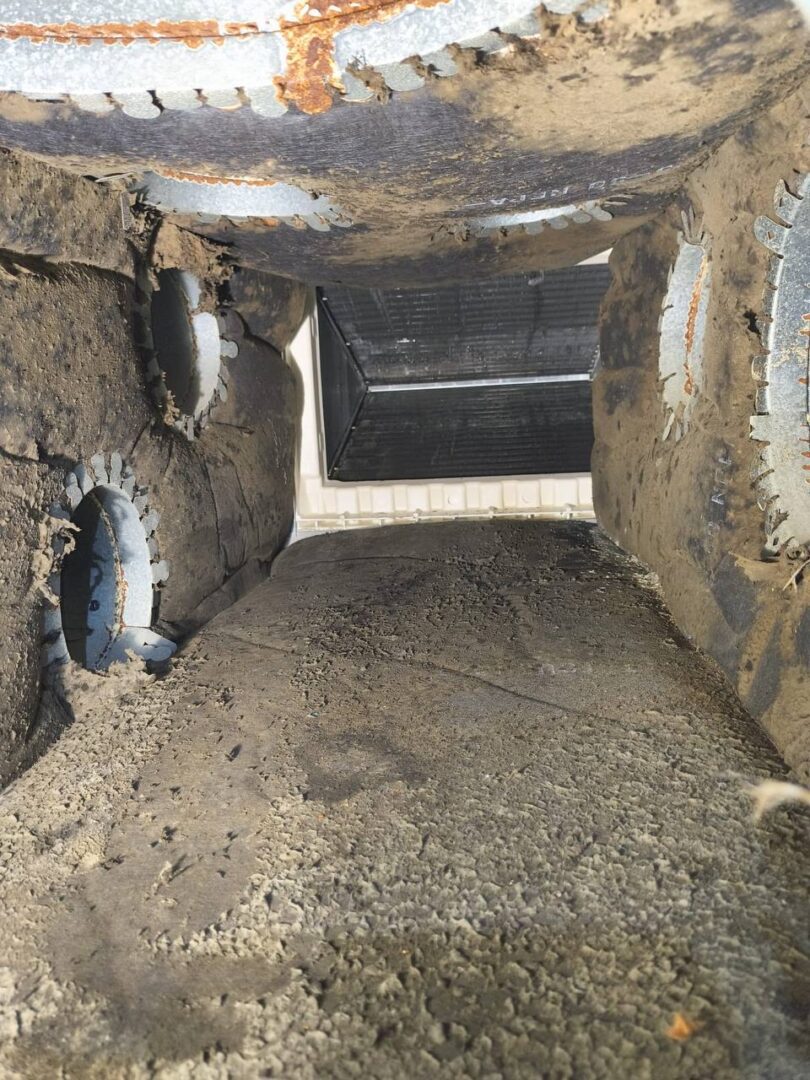
Austin’s cedar fever season is one of the most intense in North America. Mountain cedar releases pollen in concentrated bursts from December through February, and many Austin residents experience severe allergy symptoms during this window. What most people don’t realize is that their HVAC system plays a central role in how much cedar pollen they’re actually breathing — and how the transition from cedar to oak season affects their indoor air quality for months afterward.
What Cedar Fever Does to Your Austin HVAC System
Cedar pollen is exceptionally fine and travels in large quantities through Austin’s winter air. During peak cedar season, your HVAC return registers are drawing this pollen-laden air into your system continuously. Standard air filters capture some cedar pollen, but fine particles bypass filters and settle inside duct walls, blower housings, and coil fins.
By the time cedar season ends in February, a busy Austin HVAC system has accumulated weeks of cedar pollen inside its ductwork. This sets up a compounding problem: when oak pollen season begins in March, it layers on top of the existing cedar residue.
The Cedar-to-Oak Transition: Austin’s Allergy Double-Load
Austin’s allergy calendar runs in waves:
- December – February: Mountain cedar pollen peaks — Austin’s most notorious allergen
- March – April: Live oak pollen takes over, with heavy counts through mid-April
- Late April – July: Grass pollen (Bermuda, Johnson, Bahia) adds a third layer
When cedar season transitions to oak season in March, your HVAC system has already accumulated cedar residue. The incoming oak pollen then accumulates on top of it. For more on what this multi-pollen transition means for your HVAC system, see our guide to Houston and Austin’s multi-pollen season.
How Professional Cleaning Addresses Cedar Fever Season Buildup
AH-CHOO! Indoor Air Quality is NADCA certified and has been cleaning Austin and Houston HVAC systems for 38 years. A complete professional cleaning removes accumulated cedar pollen, organic material, and debris from the entire system — not just the supply registers. This includes the blower assembly, evaporator coil, and all duct runs.
We schedule one job per day and spend approximately seven hours on a complete residential system clean. Free inspections are available before any service commitment.
Frequently Asked Questions
Does cedar pollen accumulate inside air ducts?
Yes. Cedar pollen is fine enough to pass through or around standard HVAC filters and settle inside ductwork, blower housings, and coil fins. Extended cedar season exposure means significant accumulation before oak season even begins.
When should Austin homeowners clean ducts for cedar fever season?
After cedar season (March) is ideal timing — you’re removing cedar accumulation before oak season adds another layer. If you missed that window, cleaning before summer’s grass pollen peak (late May) is the second-best option.
Does Austin oak pollen season make cedar fever worse indoors?
If your HVAC system hasn’t been cleaned after cedar season, the incoming oak pollen compounds the indoor allergen load. Your system recirculates both cedar residue and new oak pollen together. See our complete guide to what Houston and Austin oak pollen season does to your HVAC.
If your Austin home has been running through cedar season and the oak pollen transition without a professional cleaning, your duct system may be carrying a significant accumulated allergen load. Schedule a free inspection to assess what’s inside your system.
AH-CHOO! Indoor Air Quality — NADCA Certified — 38 Years — Austin Service Area
Related AH-CHOO resources: Austin air duct cleaning; schedule a free inspection.