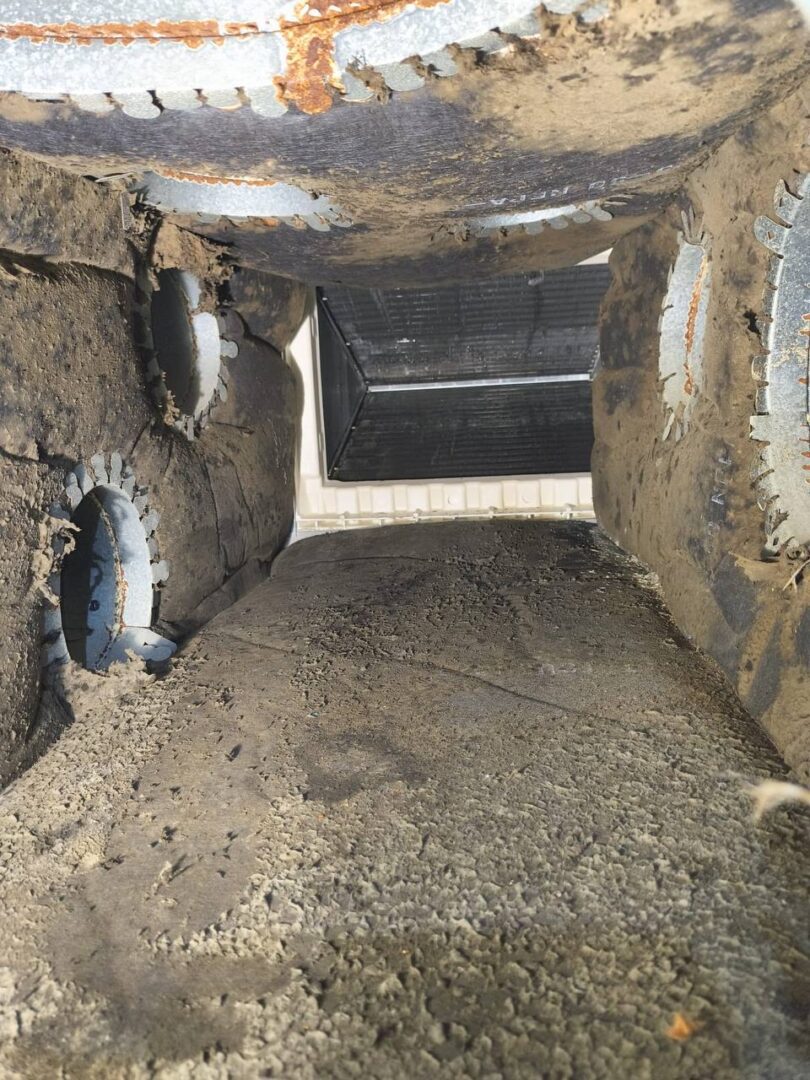
Houston oak pollen season peaks in March, and this year is no exception. Live oak trees across the city are releasing pollen right now — the Houston Health Department reports “Very Heavy” tree pollen counts this month. That airborne pollen doesn’t just trigger sneezing outdoors. Every time your AC runs, it pulls outdoor air through your system, and oak pollen is one of the heaviest, stickiest accumulation problems Houston HVAC systems face.
Why Is Houston Oak Pollen So Aggressive?
Live oak trees are everywhere in Houston. Unlike deciduous oaks in northern states that shed leaves seasonally, Texas live oaks are semi-evergreen and release their pollen every spring in concentrated bursts. The pollen itself is notably fine and sticky — properties that make it exceptionally good at clinging to surfaces inside your HVAC system.
The Houston Health Department measures pollen samples daily, and March regularly produces the highest “Very Heavy” tree pollen counts of any month. This is the peak of the spring “tree pollen window” — a six-to-eight week stretch where live oak, ash, elm, and pecan release simultaneously before the grass season begins.
What makes this particularly relevant for your air ducts: Houston homeowners run their HVAC systems eight to ten months per year. Every operating hour means more pollen-laden air cycling through your system. By mid-March, a Houston HVAC system has already processed significant volumes of spring air — and whatever was in that air is now inside your ducts.
How Oak Pollen Accumulates in Your HVAC System
Your AC system continuously draws air through return registers located throughout your home. That air passes through a filter before entering the air handler — but filters have limits. Here’s how oak pollen bypasses your defenses:
- Particle size: Oak pollen grains are roughly 20-30 microns in diameter. Standard 1-inch fiberglass filters catch larger particles but allow fine pollen through
- Filter bypass: Any gap between the filter and its housing creates a pathway for unfiltered air
- High-velocity zones: The blower wheel and supply plenum create turbulence that deposits pollen directly onto surfaces
- Sticky nature of oak pollen: Oak pollen’s sticky surface chemistry causes it to adhere to duct walls, coil fins, and blower blades
Once oak pollen is inside your HVAC system, it accumulates season over season unless physically removed.
The Houston Humidity Multiplier
Oak pollen in a dry climate is a dust problem. Oak pollen in Houston is a different situation entirely.
Houston’s relative humidity regularly exceeds 75% during spring mornings. When humid air meets the cooled surfaces inside your HVAC system — particularly the evaporator coil — condensation forms. That moisture mixes with accumulated organic material (pollen, dust, skin cells) to create exactly the conditions where mold colonies establish.
This is the cycle that concerns indoor air quality specialists:
- Oak pollen accumulates on coil surfaces and in the blower housing during peak season
- Condensation from normal AC operation provides moisture
- Organic pollen material becomes a food source for mold
- Your HVAC system then circulates mold spores alongside any remaining pollen
Houston homeowners in spring often report a musty smell when the AC first kicks on in the morning — this is frequently a sign that the system is running air across mold-contaminated surfaces.
Why Spring Symptoms Can Be Worse Indoors Than Out
Houston allergy specialists note that some patients experience their worst symptoms indoors despite keeping windows closed. This seems counterintuitive — if you’re not letting outside air in, why are indoor symptoms so severe?
The answer is your HVAC system acting as a reservoir. Your AC runs constantly, recirculating accumulated allergens from cedar pollen season, oak pollen season, and everything in between. A home with closed windows but an uncleaned HVAC system is essentially recirculating weeks or months of accumulated airborne allergens.
Signs your Houston HVAC may need attention this spring:
- Visible pollen on register surfaces
- Musty or earthy smell when the AC runs, particularly in the morning
- Allergy symptoms that worsen indoors compared to outdoors
- More than three years since last professional cleaning
- Recent renovation or construction nearby
What Professional Oak Pollen Season Cleaning Looks Like
AH-CHOO! Indoor Air Quality has served Houston homes for 38 years. We are NADCA (National Air Duct Cleaners Association) certified, which means we clean to the ACR standard — not just the supply registers, but the entire system.
A complete NADCA-standard cleaning during oak pollen season addresses all supply and return air ducts, the blower wheel and motor assembly (where pollen accumulates most heavily), the evaporator coil, the supply and return air plenums, and all registers and grilles throughout the home.
We take one job per day. A thorough cleaning takes approximately seven hours. Our inspections are free.
Frequently Asked Questions
When does Houston oak pollen season peak?
Live oak pollen peaks in March in Houston, with the Houston Health Department often reporting “Very Heavy” counts through mid-April. This overlaps with other tree pollens (ash, elm, pecan) and precedes the beginning of grass pollen season in late April.
Is indoor air quality worse during oak pollen season in Houston?
It can be. HVAC systems running during peak pollen season continuously recirculate indoor air. If the system hasn’t been cleaned recently, accumulated pollen from prior weeks or seasons is also in circulation, potentially making indoor allergen concentrations higher than outdoor levels.
How does oak pollen get past air filters?
Fine pollen particles can pass through standard filters, especially as filters load with particles and pressure differentials create bypass. Oak pollen’s sticky surface chemistry also helps it adhere to duct walls and system components once it’s past the filter.
Does Houston’s humidity make oak pollen season worse for HVAC systems?
Yes. Houston’s high relative humidity creates condensation on HVAC surfaces, particularly the evaporator coil. When organic pollen material mixes with that moisture, it creates conditions favorable for mold growth — a problem unique to Gulf Coast climates.
How often should Houston homeowners have their ducts professionally cleaned?
NADCA recommends considering professional cleaning every three to five years for typical homes. Houston’s extended HVAC runtime effectively doubles the operational accumulation rate compared to northern climates, making the shorter end of that range more appropriate for Houston homes.
What is a free inspection and what does it include?
AH-CHOO! offers a free inspection before any cleaning work begins. The technician visually inspects your accessible duct system, blower area, and coil to determine whether a cleaning is warranted. You receive an honest assessment before committing to any service.
Houston’s oak pollen season is at its peak right now. If your HVAC system hasn’t been professionally cleaned recently, it may be carrying this season’s accumulation on top of prior seasons’ residue. Schedule your free inspection to see what’s inside before the grass pollen season adds another layer.
AH-CHOO! Indoor Air Quality — NADCA Certified — 38 Years Serving Houston
For more on Houston indoor air quality and HVAC care, see what spring pollen does to Houston indoor air.
For more on Houston indoor air quality and HVAC care, see the blower wheel — the most contaminated HVAC component.
Related AH-CHOO resources: Houston air duct cleaning; schedule a free inspection.