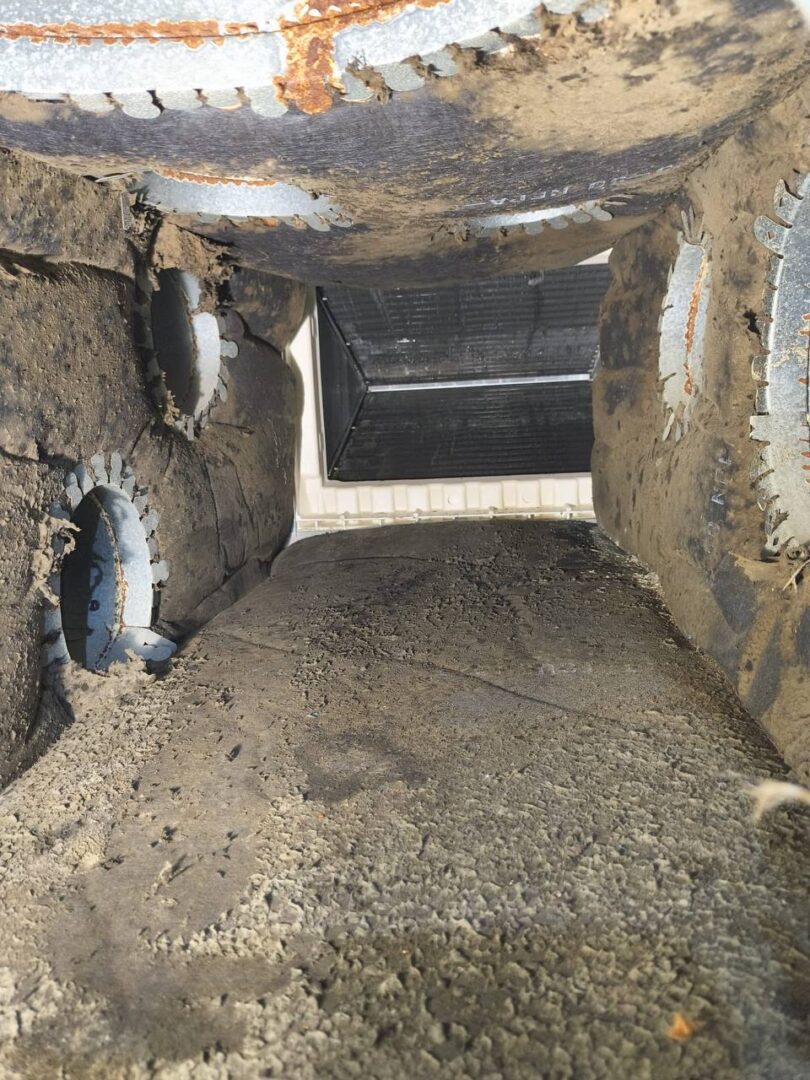
Mold in Air Ducts in Lake Charles, LA — Signs, Causes & What to Do
A persistent musty odor when the HVAC system runs, recurring moisture near accessible vents, or visible mold-like material around a register can be a reason to schedule a professional inspection. In Lake Charles, the SW Louisiana Gulf Coast climate, hurricane and storm history, and diverse housing stock each create conditions that can influence moisture behavior inside ductwork. Visual observations alone do not identify a source or confirm a condition — they are starting points for a professional review.
Signs Lake Charles homeowners can notice
Many duct-system concerns start with small, repeatable observations rather than a single dramatic event. Note when an odor appears, which rooms are affected, and whether it follows cooling cycles, rain, or a storm event. That context helps a technician focus an inspection on accessible areas without treating a symptom as a diagnosis.
- Musty odors tied to HVAC operation: An odor that appears when the system starts is worth noting, especially if it returns after normal housekeeping. Lake Charles’s high outdoor humidity and Gulf Coast location can amplify moisture-related odors inside ductwork.
- Recurring moisture near accessible registers: Condensation on or around a vent cover can point to a moisture condition that deserves a closer look. This is especially common during SW Louisiana’s long, humid cooling season.
- Visible discoloration or mold-like material: Material around a register, return grille, or accessible equipment area should be left undisturbed until it can be inspected.
- Post-storm or post-flood observations: If your home experienced water intrusion from hurricanes or heavy rains, any remaining dampness in wall cavities or under slab foundations can affect ductwork even months later. Document the timeline of any storm or flood exposure.
Why Lake Charles’s climate matters for your duct system
Lake Charles sits in Calcasieu Parish, part of SW Louisiana’s Gulf Coast region. The area’s climate is defined by high humidity, subtropical temperatures, and seasonal hurricane risk. These factors create conditions that can affect indoor air quality and duct system integrity in ways that drier climates do not experience.
The region’s storm history — including Hurricanes Laura (2020) and Delta (2020), which caused widespread wind and water damage across Lake Charles — means many homes have been repaired or rebuilt. Post-storm construction debris, insulation replacement, and residual moisture in wall cavities can all affect ductwork in ways that a standard home inspection may not address.
What conditions can promote microbial growth
Several factors can create an environment where mold-like material may develop inside a duct system. These are general risk factors, not a diagnosis of any specific home.
- High outdoor humidity infiltration: SW Louisiana regularly sees humidity above 70% for months at a time. Without proper duct sealing, humid outdoor air entering the system through leaks can condense inside cooler duct surfaces.
- Slab-foundation moisture wicking: Many Lake Charles homes are built on slab foundations. Ground moisture can wick upward and affect floor-level ductwork, especially in areas with high water tables.
- Attic duct temperature swings: Ducts that run through unconditioned attics experience rapid temperature changes between cooling cycles. This temperature differential can create condensation inside flex ducts, particularly during the humid summer months.
- Post-hurricane residual moisture: After storm events that cause flooding or roof damage, residual moisture in building materials can take months to fully dry. This sustained moisture can affect adjacent ductwork, especially in crawl spaces or enclosed chases.
- Fine particulate from I-10 corridor: The I-10 corridor carries significant vehicle and industrial traffic. Fine particulate that bypasses household filters can accumulate inside ductwork and provide a nutrient source in humid conditions.
When to schedule a professional inspection
An inspection is appropriate when you notice any of the signs described above, or as part of annual HVAC maintenance. No visual observation, odor description, or online guide can replace an in-person evaluation of a specific system by a trained technician who follows industry standards for access and documentation.
A professional inspection of accessible duct system components can document current conditions, identify any areas of concern, and provide a clear explanation of what is — and is not — present. This written documentation gives you the information you need to make an informed decision about any recommended work.
Frequently asked questions about mold in Lake Charles air ducts
How can I tell if there may be mold in my Lake Charles air ducts?
Persistent musty odors tied to HVAC operation, visible mold-like material around accessible registers, or recurring condensation near vents can be reasons to schedule an inspection. Lake Charles’s SW Louisiana location and hurricane-prone Gulf Coast climate mean elevated humidity and periodic flooding throughout the year. An in-person inspection of accessible components is the appropriate next step.
What causes mold-friendly conditions in Lake Charles duct systems?
Lake Charles’s SW Louisiana climate means very high outdoor humidity for much of the year. Condensation inside ducts, slab-foundation moisture wicking in area homes, attic flex-duct temperature swings, and residual moisture from hurricanes and heavy rain events can each contribute to conditions where microbial growth may develop. A technician can inspect accessible components and explain what is present in a specific system.
Is mold in air ducts a common problem in Lake Charles?
Moisture-related duct conditions are more common in Gulf Coast markets like Lake Charles than in drier climates. Lake Charles and surrounding Calcasieu Parish experienced significant hurricane-related flood events in recent years, which makes post-storm moisture management especially important. The combination of elevated year-round humidity, the area’s high water table, and a mix of older and rebuilt housing means annual duct inspections are recommended regardless of visible signs.
Should I try to clean mold-like material from my ductwork myself?
No. Disturbing suspected material inside ductwork can spread debris through the system. Leave any material near registers, in the air handler area, or inside accessible duct sections undisturbed until a professional inspection can document the conditions and recommend the appropriate scope of work. This is especially important in post-storm or high-humidity environments where conditions may be more complex than they appear.
Note: This article provides general education about conditions that can affect duct systems in Lake Charles, LA. It does not diagnose any specific home’s conditions. Schedule a professional inspection for an evaluation of your particular system.
If you are concerned about moisture or air quality in your duct system in the Lake Charles area, contact AH-CHOO! Indoor Air or call (225) 251-8976 to schedule an inspection. We serve homes and businesses throughout Calcasieu Parish and SW Louisiana.
For more information about duct cleaning and indoor air quality in the Lake Charles area, see our Lake Charles air duct cleaning page and our South Louisiana service hub covering the broader region.