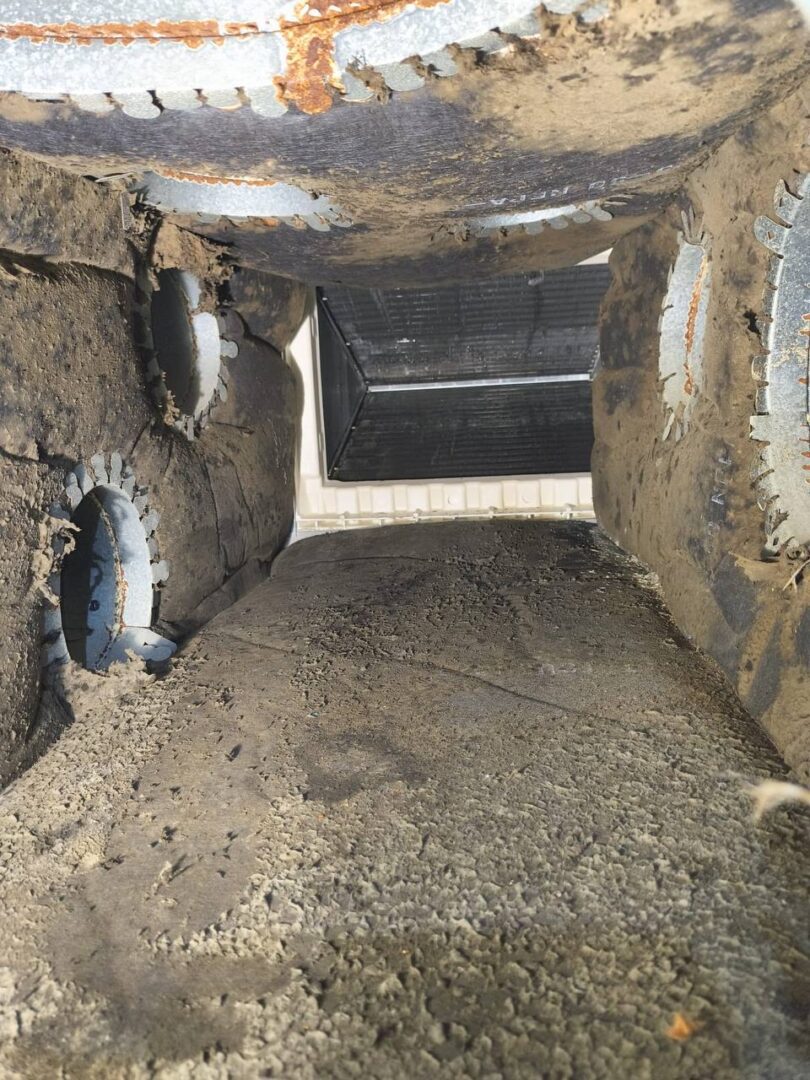
Spring air duct cleaning in Houston before summer heat arrives is the single highest-impact timing choice for your HVAC system. By April in Houston, your system has processed the full cedar pollen season plus peak oak pollen, representing the heaviest annual contamination load your blower wheel and duct surfaces will carry. Before that load circulates at full intensity through nine months of continuous summer cooling, a NADCA ACR-standard cleaning removes it at the source. This is the window that AC tune-up companies do not put on their checklists, and the one that matters most for indoor air quality through the Houston summer.
What Houston’s Summer Cooling Season Means for Duct Contamination
Houston’s summer cooling season runs from roughly May through October, sometimes extending into November. During this period, most Houston HVAC systems run nearly continuously, cycling air through the entire duct system dozens of times per day.
A system that enters this sustained run with cedar and oak pollen compacted on the blower wheel fins does not just hold that contamination in place. It redistributes it. Every cycle pulls conditioned air across contaminated surfaces and delivers it to every room. By August, a Houston homeowner breathing indoor air in a home with an uncleaned system has been cycling that spring pollen load continuously for four months.
The spring cleaning window exists specifically to prevent this. Cleaning in April or May removes the peak seasonal load before the sustained cooling run begins, rather than after.
Why AC Tune-Up Season Is Not the Same as Duct Cleaning Season
Every major Houston HVAC company runs spring AC tune-up promotions. These services check refrigerant levels, clean condenser coils, inspect capacitors and contactors, and verify system operation. They are useful. They do not clean the duct system.
A standard AC tune-up in Houston does not address:
- The blower wheel, where pollen and debris compact between fins
- The interior duct surfaces, where seasonal accumulation coats supply and return runs
- The evaporator coil area, where Houston’s humidity creates conditions for biological growth
- The plenum and air handler interior
An AC technician performing a spring tune-up will inspect these components for mechanical function but will not clean them to NADCA ACR standards. A Houston homeowner who schedules an annual spring AC tune-up and assumes their duct system is being cleaned is making an understandable but consequential mistake.
The Compound Pollen Problem Unique to Houston Spring
Houston’s spring pollen sequence creates a compound contamination problem that single-season markets do not experience:
- December through February: Mountain cedar pollen, some of the highest concentrations in North America, deposited on every heating cycle
- February through March: Elm pollen begins, overlapping with late cedar
- Late March through May: Oak pollen peaks, currently at what local meteorologists are calling record levels in 2026
- April onward: Grass pollen begins its six-month run, adding to what cedar and oak have already deposited
Each season’s pollen does not replace the previous season’s accumulation. It layers on top of it. A Houston blower wheel in late April carries compound residue from all four pollen sources simultaneously. When the summer cooling season begins in May, the system distributes all of it.
Spring cleaning, specifically timed between the end of oak peak and the start of sustained summer operation, removes the full compound load before the high-intensity distribution cycle begins.
What NADCA ACR-Standard Spring Cleaning Covers
A complete spring cleaning before Houston’s summer heat requires NADCA ACR-standard source removal, not a vent vacuuming or AC tune-up add-on:
- All supply and return ductwork, full duct runs not just register openings
- Blower wheel and air handler interior, where compound pollen accumulation is heaviest
- Evaporator coil area, particularly important before Houston’s humidity peaks in summer
- Plenum and all transitions
- All registers and grilles, removed and cleaned
This work takes approximately seven hours for a standard Houston residential system. It requires truck-mounted HEPA vacuum equipment maintaining negative pressure throughout the duct system. It is a different service from an AC tune-up, a filter change, or a vent vacuuming, and it cannot be combined with those services without the correct equipment.
AH-CHOO! Indoor Air Quality has been NADCA certified for 38 years and serves Houston and the greater metro. One job per day, approximately seven hours per service. Before-and-after documentation on every job. ASCS credentials provided before booking. Schedule a free spring inspection here.
Related: Houston spring indoor air quality 2026: what oakpocalypse is doing inside your home | Houston spring HVAC checklist
Frequently Asked Questions
When is the best time for spring air duct cleaning in Houston?
Late April through May is the optimal window for Houston spring duct cleaning. By late April, the cedar and oak pollen seasons have largely run their course, representing the full compound spring accumulation load. Cleaning before May when sustained summer cooling begins removes that load before nine months of continuous high-intensity distribution. Waiting until fall means running the full summer on a system carrying the spring compound buildup.
Does my Houston spring AC tune-up include duct cleaning?
No. A standard AC tune-up in Houston inspects and services mechanical components: refrigerant, condenser coil, capacitors, contactors, and system operation. It does not clean the blower wheel, interior duct surfaces, evaporator coil area, or plenum to NADCA ACR standards. These are separate services requiring different equipment and certified technicians. An AC tune-up and a NADCA ACR-standard duct cleaning are complementary, not interchangeable.
Why is spring duct cleaning more important in Houston than other cities?
Houston’s compound pollen sequence (cedar December-February, elm February-March, oak March-May, grass April-October) means that by late spring, a Houston system has accumulated residue from four overlapping pollen sources. In single-season or dry markets, this layering does not occur. Combined with Houston’s summer humidity, which creates evaporator coil condensation from April onward, the spring cleaning window has more impact in Houston than in virtually any other major US market.
How long does spring duct cleaning take in Houston?
A complete NADCA ACR-standard spring cleaning for a standard Houston residential system takes approximately seven hours. This covers all supply and return ductwork, the blower wheel and air handler interior, the evaporator coil area, all plenums, and all registers. Companies that complete a residential job in under three hours have not addressed the blower wheel or mechanical components.
How do I book spring duct cleaning with AH-CHOO! before summer?
Contact us for a free inspection to assess your system’s current contamination level before committing to a cleaning. We serve Houston and the greater metro, schedule one job per day, and provide ASCS credential numbers before booking. Spring slots fill as the cleaning window approaches. Schedule your free inspection here.
AH-CHOO! Indoor Air Quality is NADCA certified and has served Houston for 38 years. Contact us for a free spring inspection.
Related: spring pollen duct cleaning in Houston.
Related Service Areas
- Pet Dander Removal from Air Ducts
- Blower Wheel Cleaning for Houston HVAC
- New Home Air Duct Cleaning in Texas
- Duct Cleaning After Water Damage
Related AH-CHOO resources: Houston air duct cleaning; schedule a free inspection.