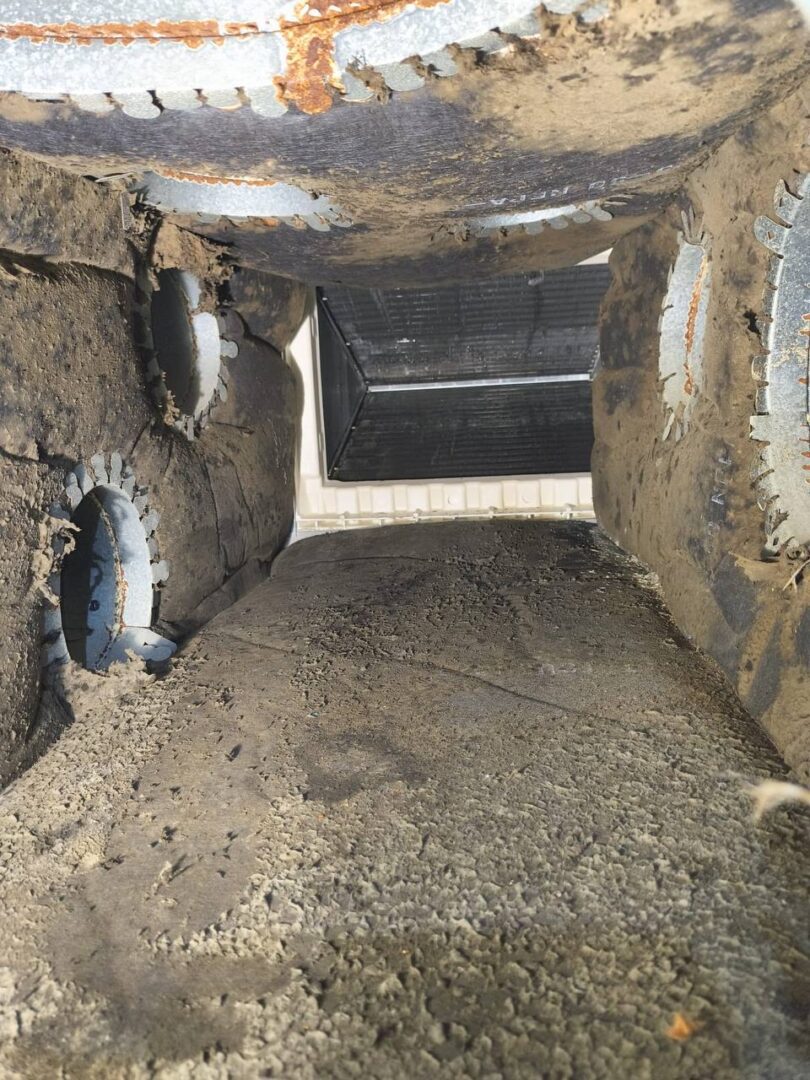
Houston spring indoor air quality in 2026 is being driven by peak oak pollen season, which local meteorologists are calling “oakpocalypse” after record-high tree pollen counts in late March. While most advice focuses on closing windows and changing filters, indoor air quality during Houston’s spring pollen peak is largely determined by what has accumulated inside your HVAC system over the winter cedar season and is now being redistributed every time your system cycles. Here is what is actually happening inside your home right now, and what you can do about it.
Why Indoor Air Quality Is Often Worse Than Outdoor During Houston Oak Season
The standard advice during high pollen days is to stay indoors with windows closed. That advice is correct for outdoor pollen exposure. It is incomplete for indoor air quality, because it assumes the air inside your home is clean.
In Houston in late March 2026, your HVAC system has processed the entire mountain cedar season (December through February) and is now running through oak pollen peak. The blower wheel, evaporator coil, and duct surfaces have accumulated compound buildup from both seasons. Every time your system cycles, it redistributes that accumulation through every room in the house.
This is why Houston homeowners with allergies often report their symptoms are worse indoors than outdoors during spring. They have closed the windows to keep pollen out, but the HVAC system is circulating a concentrated indoor reservoir of what the system has collected over months of operation.
What Your HVAC System Has Collected Since December
To understand the current indoor air quality situation in Houston homes, it helps to trace what the HVAC system has accumulated since the cedar season began:
- December through February: Mountain cedar pollen, one of the most allergenic airborne particles in North America, deposited on blower wheel fins and duct surfaces on every heating cycle
- Late February through March: Elm pollen begins, overlapping with the tail of cedar and the start of oak
- Late March (now): Oak pollen at seasonal peak, the particle that triggers “oakpocalypse” conditions, being added to everything already accumulated
A filter change removes particles from the air stream. It does not remove what has already compacted onto blower wheel fins, coated duct walls, or settled in the plenum. That material remains in the system and re-enters your indoor air on every cycle until the system is professionally cleaned.
What Houston’s Humidity Adds to the Spring IAQ Problem
The second factor driving Houston spring indoor air quality is humidity. Houston’s relative humidity begins climbing in April and reaches 60-80% by late spring. The evaporator coil in your HVAC system sits in near-permanent condensation once warm weather arrives.
In Gulf Coast climates, biological growth on evaporator coils is a documented outcome that HVAC specialists encounter regularly. Pollen accumulated on a coil surface that is also wet creates conditions that do not exist in dry markets. A Houston homeowner running their system through peak oak season with a coil that has never been professionally cleaned is dealing with both categories of contamination simultaneously.
Related: Is duct cleaning worth it in Houston TX? Why the humidity changes everything | Houston spring HVAC checklist before summer
What Improving Houston Spring Indoor Air Quality Actually Requires
Standard advice for spring IAQ in Houston covers the basics: change your filter, close windows during high pollen counts, use a HEPA air purifier. These are all useful. They do not address the contamination already inside the HVAC system.
Improving indoor air quality at the source requires a NADCA ACR-standard cleaning that covers:
- All supply and return ductwork including full duct runs, not just register openings
- Blower wheel and air handler interior where cedar and oak pollen compact between fins over months of operation
- Evaporator coil area where humidity creates the highest-risk conditions for biological growth
- Plenum and all transitions where settled debris accumulates between cleaning cycles
- All registers and grilles removed, cleaned, and reinstalled
This work takes approximately seven hours for a standard Houston residential system. Companies that finish in under three hours have not addressed the blower wheel or coil. Changing a filter before or after an incomplete cleaning does not substitute for source removal.
AH-CHOO! Indoor Air Quality has been NADCA certified for 38 years and serves Houston and the greater Houston metro. One job per day. Every residential service includes before-and-after documentation. We will provide ASCS (Air Systems Cleaning Specialist) credential numbers before you book. Schedule a free inspection here.
Frequently Asked Questions
Why is my indoor air quality worse during Houston oak season even with windows closed?
Closing windows stops new outdoor pollen from entering but does not remove what has already accumulated inside your HVAC system. During oak season, your system redistributes the cedar and oak pollen it has collected since December on every cooling or heating cycle. Homeowners who report worse symptoms indoors than outdoors during spring are often experiencing HVAC redistribution of accumulated contamination, not new outdoor infiltration.
What is the Houston Health Department pollen count showing in spring 2026?
The Houston Health Department laboratory measures daily pollen counts at houstonhealth.org/services/pollen-mold. In late March 2026, local meteorologists have described oak pollen levels as severe, with conditions described as “oakpocalypse” in regional news coverage (Click2Houston, March 23, 2026). Peak oak counts in Houston typically run from late March through mid-May.
Does HVAC air filtration solve Houston spring indoor air quality problems?
Filtration captures particles in the air stream but does not address contamination already deposited on blower wheel fins, duct surfaces, and the evaporator coil. In Houston, where compound cedar-to-oak accumulation builds over months, a filter change improves ongoing filtration but leaves the reservoir of accumulated material in place. A NADCA ACR-standard source-removal cleaning removes that reservoir at the source.
How long does spring oak pollen season last in Houston?
Houston oak pollen typically peaks from late March through mid-May. Elm pollen runs concurrently in March. Grass pollen begins in April and extends through October. Houston’s pollen seasons overlap and run approximately eleven months of the year, with only a brief window in late November and early December offering lower ambient pollen levels before mountain cedar begins again.
When is the best time to clean air ducts for Houston spring IAQ?
Late March through April is the optimal window: after the full cedar season accumulation and at oak pollen peak, before summer’s sustained nine-month cooling run begins. Cleaning at this point removes the compound cedar-oak buildup before it circulates at high intensity through the entire summer. A free inspection confirms current contamination levels without obligation. Schedule here.
AH-CHOO! Indoor Air Quality is NADCA certified and has served Houston for 38 years. Contact us for a free inspection.
Related AH-CHOO resources: Houston air duct cleaning; schedule a free inspection.