Houston Spring Pollen and Ozone Indoors: What They Do to Your Ducts
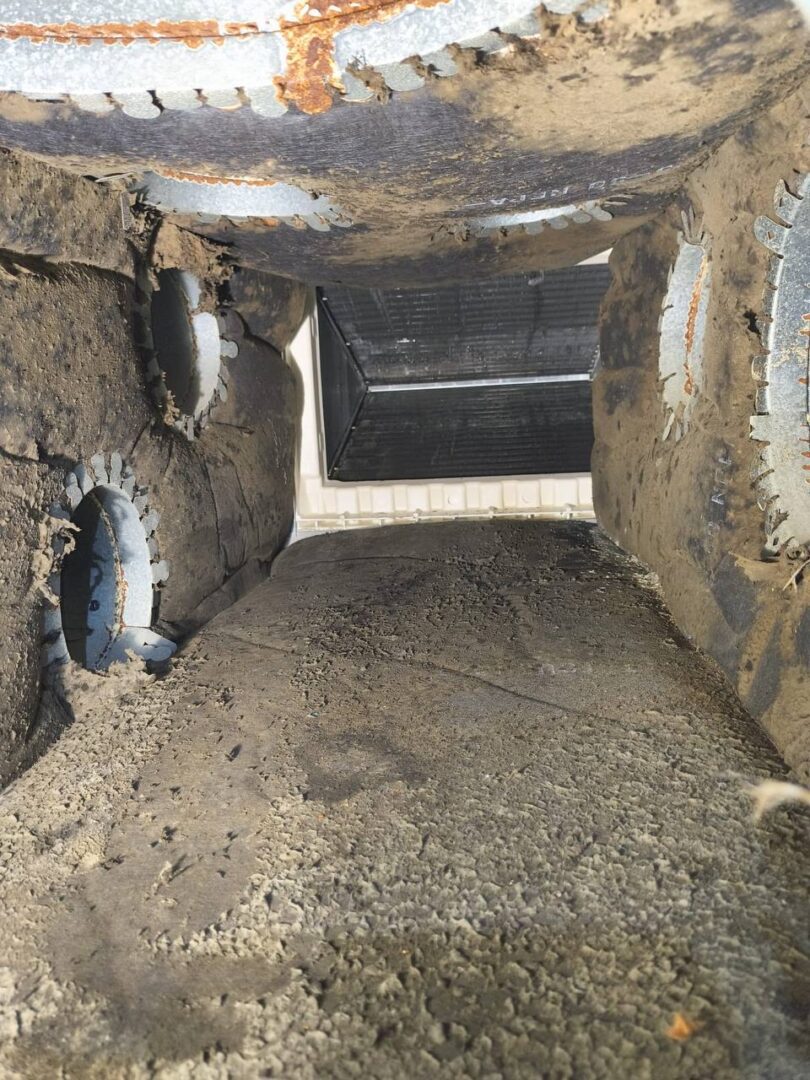
Houston spring pollen and ozone indoors create a double load on your HVAC system. In March through May, your home is dealing with heavy tree pollen at the same time ozone season begins, and your ductwork becomes the place where that outdoor burden collects, lingers, and recirculates every time the air conditioner runs.
Why Is Houston Spring Different From Winter for Indoor Air?
Houston does not get a clean break between winter and spring. According to IQAir, spring allergy season in Houston usually begins in late February or March and peaks in April and May. The main spring tree pollens are oak, ash, elm, and pecan. At the same time, the Texas Commission on Environmental Quality begins its Ozone Action Day season in March and continues it through November.
That means Houston homes enter spring with two problems at once:
- Tree pollen increases sharply as oak, ash, elm, and pecan release into the air
- Ozone season begins as heat, sunshine, traffic, and industrial activity intensify outdoor air stress
- Air conditioners run constantly because Houston homes rely on HVAC far earlier and longer than most U.S. cities
- Indoor symptoms linger because the duct system continues recirculating what it collected earlier in the season
This is what makes Houston different from generic “spring allergy” articles. Your HVAC system is not just filtering outdoor pollen. It is also processing a city-wide outdoor air-quality problem.
What Do Pollen and Ozone Together Do to Your HVAC System?
Most websites talk about pollen as an allergy issue and ozone as an AQI issue. The real problem is that your HVAC system has to deal with both at the same time.
Pollen enters the system through return air, door openings, and small infiltration points around the home. Once inside, it settles on registers, duct walls, blower components, and coil housing surfaces. Ozone does not accumulate the same way pollen does, but ozone season signals that outdoor air is already under chemical stress from sunlight, emissions, and particulate pollution. In Houston, the American Lung Association ranked the metro 7th worst in the nation for ozone and 8th worst for year-round particle pollution.
Inside the system, this creates a layered contamination pattern:
- Pollen deposits stay in the ducts long after the outdoor count drops
- Fine particulates from Houston’s outdoor air add to overall duct loading
- Humidity helps that debris stick to interior surfaces and raises mold risk
- Long AC runtime keeps the material moving through the home repeatedly
This is why indoor allergy symptoms in Houston often continue even when you come back inside. The home is no longer just a shelter from outdoor spring air. It can become a recirculation environment if the duct system is already loaded.
What Should Houston Homeowners Do on an Ozone Action Day?
TCEQ and Houston Health both provide outdoor air-quality alerts, but most homeowners are left guessing what that means for the inside of the house. If your family notices worsened allergy symptoms indoors during spring, these are the practical HVAC steps that matter most:
- Keep windows and doors closed during high pollen and Ozone Action Day periods
- Check filter condition more often in spring because Houston’s combined pollen and particulate load fills filters faster
- Watch for dust around vents or musty odor when the system runs
- Pay attention to symptom patterns — if symptoms feel worse when the HVAC starts, the duct system may be contributing
- Schedule a professional inspection if spring symptoms persist indoors despite filter changes
A clogged or overloaded filter helps, but it is not a complete answer once the system already has buildup inside it.
Can Duct Cleaning Help With Houston Spring Pollen and Ozone Indoors?
Yes — not because duct cleaning changes outdoor air quality, but because it removes what your system has already collected from Houston’s outdoor environment.
AH-CHOO! Indoor Air Quality is NADCA certified and has served Houston for 38 years. A real full-system cleaning takes about 7 hours, covers the entire residential system, and addresses the areas where spring pollen and particulates actually accumulate:
- supply and return ducts
- branch lines to individual rooms
- blower wheel and blower compartment
- evaporator coil housing
- registers and grilles
We complete one job per day, which matters because a full-system clean cannot be rushed if it is going to remove the spring load that is already sitting in the system.
If your home is dealing with persistent indoor symptoms, this is also why a free inspection matters. It gives you a documented view of what your system has actually accumulated before any work is done.
How Do You Know If Spring Duct Load Is Becoming a Bigger Problem?
Houston homeowners should pay extra attention in spring if they notice:
- worsening indoor allergy symptoms even after coming back inside
- visible dust or dark buildup around supply vents
- musty smell when the AC turns on
- rooms with uneven airflow or stale air
- symptom flare-ups during high-pollen days or Ozone Action Days
These do not always mean your ducts are the only issue, but they do mean your HVAC system deserves a closer look. In Houston’s climate, humidity and long runtime make small problems compound quickly.
Frequently Asked Questions
Does ozone outside affect indoor air quality in Houston?
Yes. Outdoor ozone and the broader pollution conditions that create Ozone Action Days affect what enters and circulates through your home. While pollen and particulates are the bigger accumulation problem inside ducts, poor outdoor air quality increases the total burden your HVAC system is handling during Houston spring.
What pollen is high in Houston during spring?
Houston spring typically brings high levels of tree pollen, especially oak, ash, elm, and pecan. IQAir notes that Houston’s spring allergy season usually begins in late February or March and peaks in April and May.
Can duct cleaning help if spring allergies feel worse indoors?
Yes. Duct cleaning cannot stop outdoor pollen season, but it can remove the pollen, particulates, and debris your HVAC system has already collected and is recirculating through the house. That is especially relevant in Houston, where AC runtime is long and humidity makes buildup stickier and more persistent.
What is an Ozone Action Day in Houston?
An Ozone Action Day is a TCEQ forecast that outdoor conditions are favorable for elevated ozone levels. In Texas, that season runs roughly from March through November. For Houston homeowners, it is a useful signal to reduce outside air intrusion and pay attention to indoor symptoms tied to HVAC operation.
How often should Houston homeowners check their HVAC system during spring?
During Houston spring, filters should be checked more often than national averages suggest because the system is dealing with both pollen and year-round particulate load. If symptoms, odors, or visible vent dust appear, a professional inspection is the next best step.
Start Spring With a Cleaner Houston HVAC System
Houston spring pollen and ozone indoors are not separate problems. They hit your home at the same time, and your ductwork often carries the evidence. That is why Houston homeowners need a local answer, not a generic national allergy article.
AH-CHOO! Indoor Air Quality is NADCA certified, has been serving Houston for 38 years, and offers free inspections with no obligation. We complete one 7-hour full-system clean per day, so your home gets the time and attention a real spring duct load requires.
For more on how Houston’s outdoor air affects your HVAC, read our guide to Houston’s air quality ranking and what spring does to your ducts, or see why duct cleaning is worth it in Houston’s humid climate. If you suspect moisture is part of the problem, review the signs of mold in Houston air ducts.
Schedule your free inspection →
Related: grass pollen in air ducts during Houston spring.
Related Service Areas
- Houston Children’s Indoor Air Quality & Spring Pollen
- Houston Outdoor Air Pollution & Indoor Air
- EPA Duct Cleaning Skepticism in Houston’s Climate
- Houston Ozone Action Days & Indoor Air
Related AH-CHOO resources: Houston air duct cleaning; schedule a free inspection.