
Professional Air Duct Cleaning in Houston: Breathe Cleaner Air at Home
Every day, the air circulating through your Houston home carries dust, allergens, and biological contaminants that accumulate inside your HVAC system. If you notice musty odors from your vents, excessive dust settling on furniture, or allergy symptoms that improve when you leave home, your ductwork is likely distributing accumulated debris into your living spaces.
Why Houston Homes Need More Frequent Attention
Houston’s climate creates unique challenges for indoor air quality. Average humidity exceeds 75 percent year-round, and our cooling season runs eight months or more. These conditions accelerate debris accumulation inside ductwork, evaporator coils, and plenum boxes — making professional cleaning more critical here than in most other US cities.
Our NADCA-Certified 8-Component Process
Every professional AH-CHOO! service addresses all eight components of your HVAC system using source removal methods that meet NADCA standards. The average job takes approximately 7 hours because each component receives individualized, thorough treatment:
- Return Ducts – The pathways pulling air from your living spaces, carrying the widest variety of contaminants
- Evaporator Coils – Condensed moisture collects dust and biological matter that reduces efficiency
- Blower Fan – Debris unbalances the assembly, reducing airflow and increasing energy consumption
- Heating Chamber – Accumulated dust and soot create fire hazards in gas-fired systems
- Plenum Box – The central distribution chamber where all duct branches meet your air handler
- Supply Ducts – Deliver conditioned air to each room while collecting settled particles
- Register Boxes – Wall and ceiling cavities housing your vent covers
- Grills and Vent Covers – Removed, washed, and reinstalled as the final step
Signs You Need Professional Duct Cleaning
Visible dust or debris being blown from your vents, musty odors when the system operates, increased dust on surfaces, allergy symptoms that improve when you leave home, or it has been more than three years since your last cleaning.
Not sure whether your home needs professional duct cleaning? Read our complete guide: Do I Really Need Air Duct Cleaning? — we answer the most common questions about signs, frequency, what happens when you skip it, and how to know if it’s truly necessary for your Houston home.
38 Years of Expertise You Can Trust
AH-CHOO! Indoor Air Quality has served Houston, Austin, San Antonio, and South Louisiana for 38 years. Our NADCA-certified technicians begin every engagement with a free pre-service inspection so you know exactly what your system needs — with zero obligation and zero hidden charges.
Frequently Asked Questions About Duct Cleaning Verification
How do I know if my air ducts were cleaned properly?
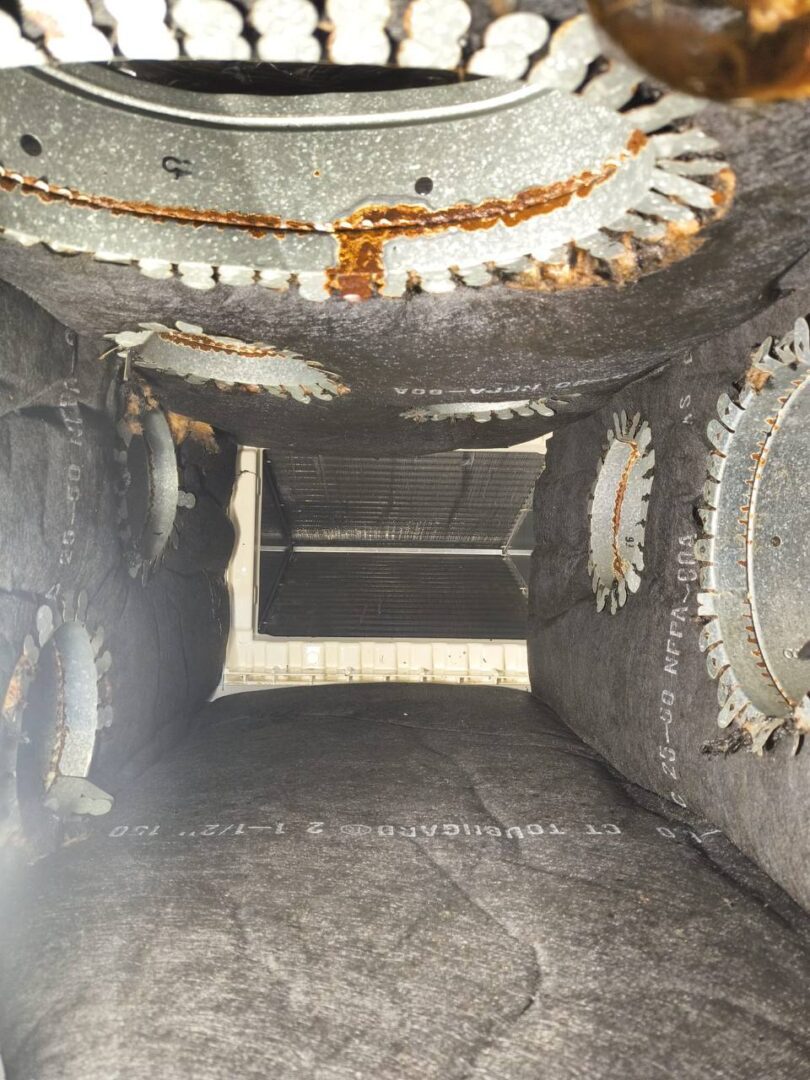
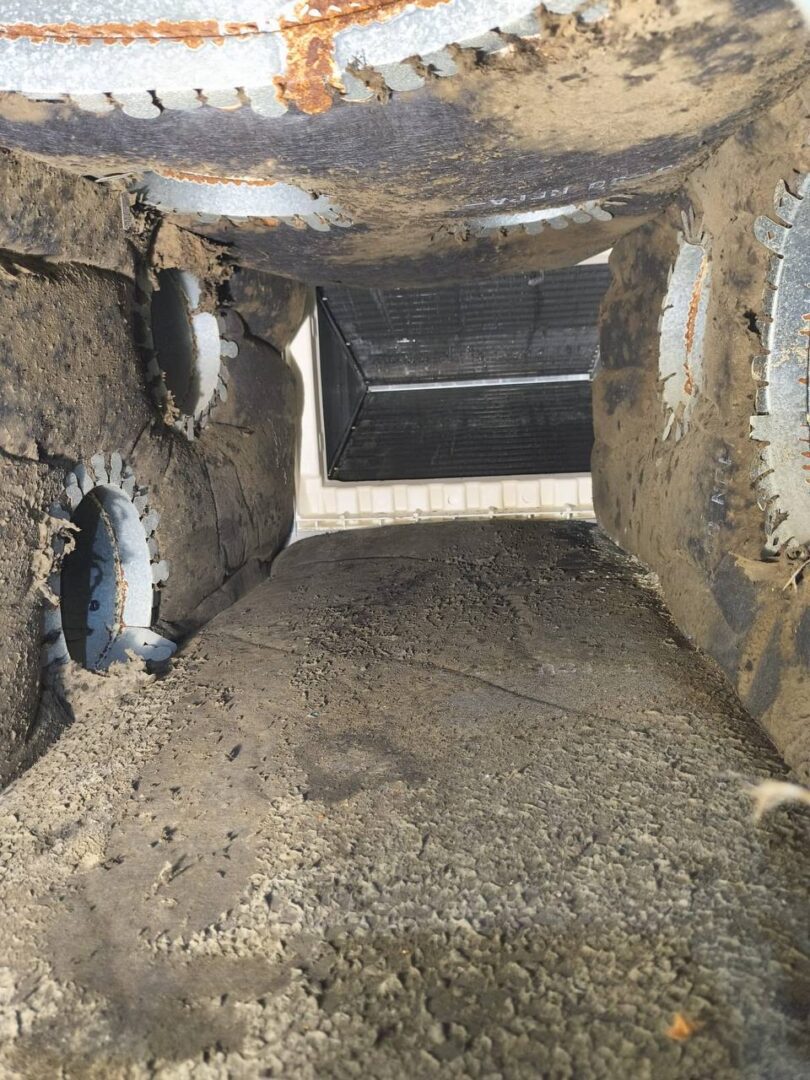
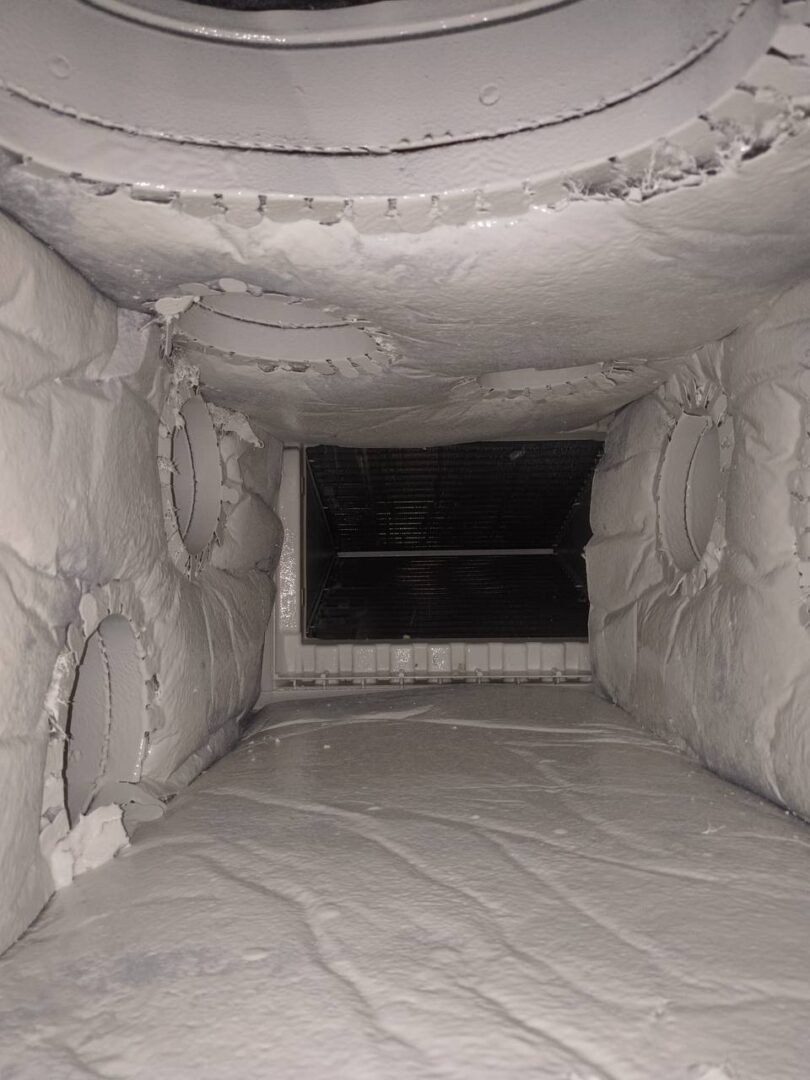
NADCA-certified technicians use a multi-step verification process. Before-and-after camera inspection is the primary method — a specialized scope is inserted into the ductwork at multiple access points to record interior conditions, and the images are compared to confirm debris has been removed. Additional verification methods include surface sampling (wipe tests that measure residual particulate) and visual inspection of all eight HVAC components (evaporator coil, blower fan, heating chamber, plenum, and all duct sections). A professional cleaning should leave duct interiors visibly clean with no standing debris, no microbial growth, and no dust accumulation on component surfaces. AH-CHOO! provides customers with their before-and-after inspection results and encourages customers to review the documentation. If your ducts were cleaned and you still see dust blowing from vents, smell musty odors, or notice visible debris inside register openings, you should request a re-inspection — proper source removal leaves measurable, verifiable results.
What should I expect during a professional air duct cleaning appointment?
A professional appointment takes approximately 7 hours for a whole-home cleaning. Your NADCA-certified technician begins with a free pre-service inspection of all 8 HVAC components, explains what they find, and provides a flat-rate quote before any work starts. During cleaning, the technician sets up containment equipment, uses source removal methods — mechanical agitation with brushes and compressed air tools combined with continuous HEPA vacuum — to extract debris from every component: return ducts, evaporator coils, blower fan, heating chamber, plenum, supply ducts, registers, and grills. After cleaning, a post-service camera inspection documents the results, and you receive before-and-after documentation. The crew cleans the work area, leaves no equipment behind, and reviews the results with you before departing.
Does air duct cleaning help with allergies?
Professional air duct cleaning can help reduce allergens circulating through your home by removing accumulated dust, pet dander, pollen, and biological contaminants from your HVAC system. When ductwork contains years of settled debris, your HVAC system can distribute these particles into every room every time it runs. Source removal cleaning — the NADCA-certified method using mechanical agitation and continuous HEPA vacuum — extracts this accumulated material rather than just pushing it around. After cleaning all eight HVAC components, the system circulates air through clean pathways, reducing the particulate load that can trigger allergic responses. Results vary depending on your home’s specific conditions, but many homeowners report noticeable improvement in indoor air quality after professional duct cleaning. For a personalized assessment, schedule a free inspection to evaluate your system’s condition.
Ready to learn more? See our Air Duct Cleaning Service Packages — transparent service details, no hidden fees, NADCA-certified service.
Essential Air Duct Cleaning Guides
- Air Duct Cleaning — The Complete Homeowner’s Guide
- How to Choose an Air Duct Cleaning Company
- Condensation in Air Ducts and Mold Risk — Gulf Coast Guide
- How Long Does Air Duct Cleaning Last in Texas?
- The 8 HVAC Components We Clean — And Why Each Matters

