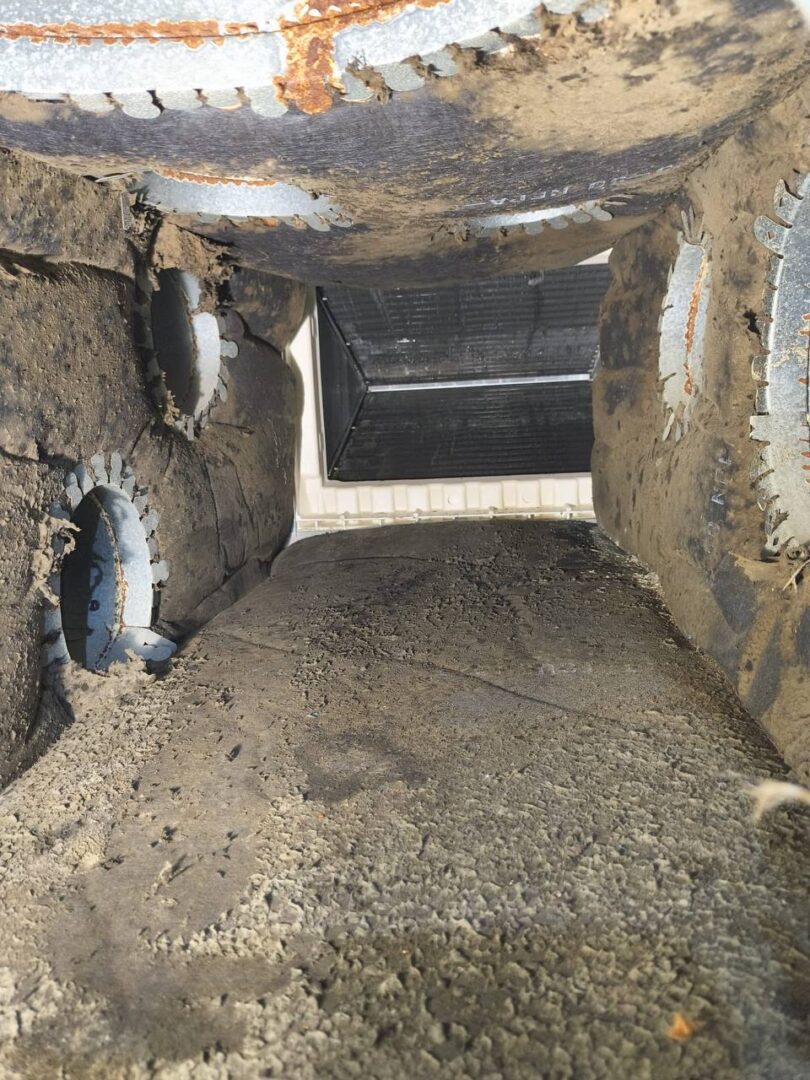
If you have recently had your air ducts professionally cleaned — or you are considering scheduling the service — one of the most common questions homeowners ask is straightforward: how long does air duct cleaning last?
In a dry climate with low outdoor particulate matter, the answer might be three to five years between services. But here in Texas — where high humidity, construction dust, pollen counts, and HVAC runtime all run well above the national average — the realistic answer is different. Houston homeowners, in particular, face conditions that can cut that interval in half.
This guide explains what determines how long air duct cleaning results last, how the Texas climate changes the equation, the signs that your ducts are getting dirty again, and what you can do between professional services to keep your system clean longer.
How Long Professional Air Duct Cleaning Typically Lasts
The National Air Duct Cleaners Association (NADCA) recommends that homeowners have their air ducts inspected every one to two years and cleaned as needed. The “as needed” part is important — there is no single universal number that applies to every home in every region.
In moderate climates with low humidity and minimal outdoor dust, clean air ducts can stay in good condition for three to five years. But NADCA also notes that certain conditions shorten that window significantly:
- Homes with pets that shed hair and dander
- Homes where occupants have allergies or respiratory sensitivity
- Homes that have recently undergone renovation or remodeling
- Homes in regions with high outdoor dust, pollen, or humidity
- Homes where smokers live or have lived
Most Texas homes check at least two or three of those boxes.
Why Texas Climate Shortens the Window
Texas — and the Gulf Coast region in particular — presents a unique combination of factors that accelerate how quickly air ducts accumulate debris after cleaning.
1. High Humidity and Moisture
Houston averages over 75 percent relative humidity during summer months. When conditioned air moves through metal ductwork in a humid attic or crawl space, condensation can form on interior duct surfaces — especially if insulation is thin or damaged. That moisture traps airborne particles that would otherwise pass through. It also creates conditions where microbial growth can take hold.
2. Long Cooling Seasons
Texas HVAC systems run hard. In Houston, air conditioning season can span eight or nine months of the year. More runtime means more air moving through the system, which means more dust, pollen, and pet dander getting pulled into the return ducts and deposited throughout the supply network.
3. Outdoor Pollen and Particulate Matter
Houston’s pollen calendar is long: tree pollen peaks in March and April, grass pollen runs from April through October, and weed pollen surges in late summer and fall. Add to that the fine particulate matter from highways like I-45, I-10, and the 610 Loop, and your HVAC filter faces a steady assault. Even with regular filter changes, a portion of those particles passes through and settles inside the ductwork.
4. Construction and Urban Growth
Houston is one of the fastest-growing metro areas in the United States. New construction and renovation projects kick up silica dust, drywall particles, and other fine debris that can enter homes through windows, doors, and the HVAC intake.
The combined effect of these four factors means that a Houston-area home may need professional air duct cleaning every two to three years rather than every three to five.
Signs Your Air Ducts Are Getting Dirty Again
Even if you know when your last cleaning was, time alone is not the best indicator. Look for these practical signs that your ducts are accumulating debris faster than expected:
Visible Dust Around Supply Registers
If you notice dark lines or dust buildup around the edges of your ceiling or wall registers within months of a professional cleaning, your ducts are already releasing particulate back into the living space.
Uneven Cooling Between Rooms
When some rooms in the house stay comfortable while others feel stuffy or warm, restricted airflow from debris buildup in certain branch ducts may be the cause. This is especially common in two-story homes where the upstairs ducts run through a hot attic.
Increased Dust on Surfaces
If you find yourself dusting furniture and shelves more frequently than you used to — even with the same filter change schedule — your duct system may be recirculating accumulated debris.
Musty or Stale Odors When the AC Kicks On
A persistent musty smell when the blower starts is a red flag for moisture and organic material inside the ducts. In the Houston climate, this odor can develop within a single summer if condensation has been a problem.
Rising Energy Usage Without a Clear Cause
When your electricity usage trends upward during the same months as last year — but your thermostat settings, occupancy, and appliance use have not changed — restricted airflow from dirty ducts may be increasing the workload on your HVAC equipment.
What Professional Air Duct Cleaning Actually Removes
Understanding what a NADCA-certified cleaning addresses helps you appreciate why the results matter — and why maintenance between services extends that investment. A proper professional cleaning, performed according to NADCA standards using source-removal methods, addresses:
- Supply and return ducts: The main trunk lines and branch runs that distribute conditioned air to each room.
- Supply and return plenums: The large boxes that connect the air handler to the duct network.
- The air handler unit: The blower motor housing, fan blades, evaporator coil, and drain pan.
- Grilles and registers: The visible intake and outlet covers in your walls, ceilings, or floors.
- The blower compartment: Where the fan pulls air through the filter and pushes it into the supply side.
When all eight major HVAC components are addressed — rather than just the visible ducts — the system can operate with the airflow it was designed for. That is what makes the cleaning last. For a detailed walkthrough, see our step-by-step guide to professional air duct cleaning.
How to Maintain Clean Air Ducts Between Professional Services
While no amount of homeowner maintenance replaces professional source-removal cleaning, several habits can meaningfully extend the life of a professional cleaning and slow the re-accumulation of debris.
1. Change Your HVAC Filter on Schedule
The single most effective thing you can do is change your air filter regularly. For most Texas homes, a one-inch pleated filter (MERV 8–11) should be changed every 60 to 90 days. During peak pollen months or if you have pets, every 30 to 45 days is better. A clogged filter forces the blower to work harder and allows more bypass dust into the duct system.
2. Seal Gaps Around Return Grilles
If the return grille does not fit tightly against the wall or ceiling opening, unfiltered attic or wall-cavity air gets pulled into the system. This bypass air brings in insulation fibers, dust, and humidity — all of which settle in the ductwork. A few dollars of foil tape or caulk around the return boot can make a real difference.
3. Keep Registers Clean and Unobstructed
Vacuum your supply registers every month or two. Do not block them with furniture, rugs, or drapes. When registers are blocked, static pressure increases in that branch run, which can disturb settled debris and push it into the room.
4. Schedule an Annual HVAC Inspection
An HVAC technician can check your evaporator coil, drain pan, and blower assembly for debris accumulation before it becomes a problem. If the coil is dirty, it restricts airflow and creates condensation issues that dirty ducts faster.
5. Control Indoor Humidity
Running a dehumidifier during Houston’s summer months reduces the condensation potential inside your ductwork. Keeping indoor relative humidity between 40 and 55 percent is ideal for both comfort and duct cleanliness.
6. Address Duct Leaks Promptly
Leaky ducts pull in attic air — which in Houston summers means hot, humid air carrying insulation particles and dust. Having leaks sealed by a professional not only improves energy efficiency but also keeps newly cleaned ducts cleaner longer.
Frequently Asked Questions
How often should air ducts be cleaned in Houston?
In the Houston area, most homes benefit from professional air duct cleaning every two to three years. Homes with multiple pets, recent renovation work, or occupants with allergy concerns may benefit from more frequent service. NADCA recommends an inspection every one to two years, with cleaning performed as indicated by what the inspection finds. For Houston-specific guidance, see our Houston air duct cleaning hub.
Can I clean my air ducts myself to extend the results?
Homeowners can handle basic tasks like changing filters, vacuuming registers, and sealing visible gaps around return grilles. However, DIY duct cleaning using consumer-grade equipment cannot reach the full depth of the duct system and cannot properly clean the air handler, coils, or blower assembly. In fact, aggressive DIY methods can damage ductwork or dislodge debris without capturing it. Read our guide on whether you can clean your air ducts yourself for a full breakdown.
Does duct cleaning improve HVAC efficiency?
When ducts are significantly loaded with debris and airflow is restricted, removing that material allows the system to move air with less resistance. This can reduce the runtime needed to reach the thermostat set point. The improvement depends on how much buildup was present before cleaning — a heavily loaded system will show a greater change than one with only light accumulation. Learn more about how Houston heat affects your HVAC system.
What is the difference between NADCA-standard cleaning and a basic duct vacuum?
A basic duct vacuum may only address the inside surfaces of accessible ducts while ignoring the coils, blower, plenums, and other critical components. NADCA-standard cleaning addresses the entire air conveyance system, uses source-removal methods that dislodge and capture debris, and follows an established protocol for containment and verification. When evaluating how long results will last, the thoroughness of the initial cleaning is the single biggest variable. We explain the difference in our guide to NADCA standard vs. basic duct cleaning.
How do I know if my last duct cleaning was done properly?
A proper NADCA-certified cleaning should include a post-service inspection of the main components — often with before-and-after photos. You should see clean supply registers, reduced dust settling on surfaces, and improved airflow from each vent. If you noticed little or no change after a previous cleaning, or if dust returned within a few months, the cleaning may not have addressed the full system. For help evaluating providers, read our guide on how to choose an air duct cleaning company in Houston.
When to Schedule Your Next Service
The practical answer to how long air duct cleaning lasts depends more on your home’s specific conditions than on a calendar. A home in a heavily wooded Houston neighborhood with two dogs and a 10-SEER AC unit running nine months a year will need service sooner than a well-sealed condo with no pets and a high-efficiency filtration system.
The smart approach is to schedule a professional inspection when you hit any of the following triggers:
- It has been two years or more since your last documented cleaning
- You see visible dust around registers within months of changing your filter
- You notice musty smells from the vents when the system starts
- You have completed a home renovation or remodeling project
- You are moving into a previously occupied home where you do not know the duct maintenance history
A professional inspection gives you an evidence-based answer rather than a calendar-based guess. And if the inspection shows that your ducts are still in good shape, you have the peace of mind of knowing — without paying for a service you do not yet need.
If you are in the Houston area and want to know where your system stands, a free visual inspection is the most straightforward first step. It takes the guesswork out of scheduling and gives you a clear picture of what is happening inside your HVAC system. Contact AH-CHOO! today to schedule yours.
To learn more about what a professional air duct cleaning involves, see our step-by-step walkthrough of the NADCA cleaning process. For guidance on evaluating service providers, read our guide on how to choose an air duct cleaning company in Houston. If you are in the Hill Country region, AH-CHOO! also provides NADCA-certified air duct cleaning in San Antonio with the same inspection-first standards and free evaluation.