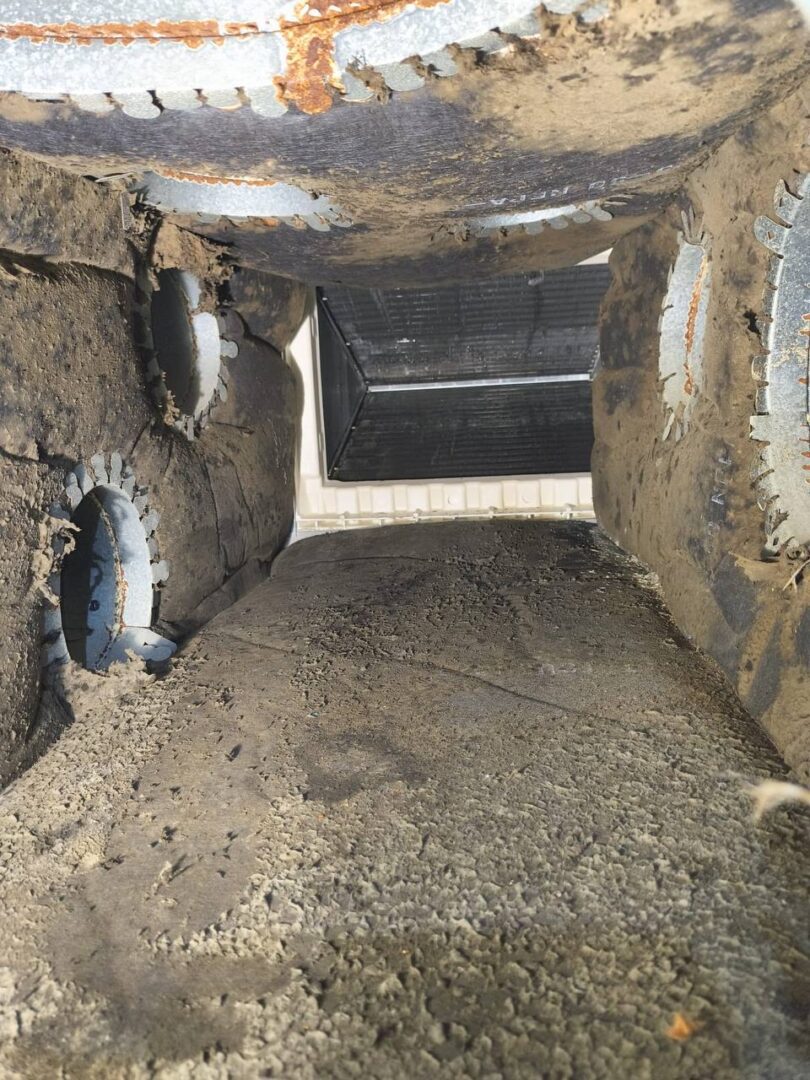
NADCA-certified air duct cleaning in Austin means the company employs at least one technician holding an active ASCS (Air Systems Cleaning Specialist) credential, and that the work performed follows NADCA’s ACR standard — source-removal cleaning of the complete HVAC system, not just accessible vents. In Austin, where cedar and oak pollen season runs back-to-back from December through April, the standard matters: a shop-vac vent cleaning during peak pollen accumulation period is not the same as source-removal of what has built up on the blower wheel and air handler interior over multiple seasons.
What Does NADCA Certification Actually Require?
NADCA — the National Air Duct Cleaners Association — issues two levels of credential relevant to Austin homeowners:
- ASCS (Air Systems Cleaning Specialist): The primary technician certification. Requires passing a standardized exam covering HVAC system components, contamination types, and cleaning methodology. Must be renewed. This is the credential that matters most — it’s tied to an individual technician, not just a company.
- CVI (Certified Ventilation Inspector): An inspection credential for assessing system contamination and recommending appropriate cleaning scope.
NADCA also maintains company membership separate from individual technician credentials. A company can be a NADCA member — and appear in NADCA’s directory — without any of its technicians holding active ASCS certification. This distinction matters when verifying any Austin company’s credentials.
NADCA’s ACR (Assessment, Cleaning, and Restoration) standard defines what a complete cleaning covers: all supply and return ductwork, the blower wheel and air handler interior, the evaporator coil area, and all registers and grilles. A company claiming NADCA certification but completing a residential job in 90 minutes is not following the ACR standard — a full-system source-removal cleaning takes approximately six to eight hours.
Why Austin’s Allergy Calendar Makes NADCA Standards More Important Here
Austin’s pollen season runs from January through November — mountain cedar from December through February, then oak through April, then grass and ragweed through fall. There is no meaningful off-season for Austin HVAC systems. By the time oak pollen peaks in late March and early April, a system that hasn’t been professionally cleaned is carrying compound accumulation from two consecutive severe pollen seasons.
That accumulation concentrates on the blower wheel fins and air handler surfaces — the components that a vent vacuuming never touches. When the blower runs, it re-suspends those particles into the airstream on every cycle. A NADCA ACR-standard cleaning physically extracts the contamination from these components. A non-standard cleaning leaves it in place regardless of what the company’s marketing says.
Austin’s cedar-to-oak compound buildup is unique to Central Texas’s back-to-back severe allergy seasons. It’s why NADCA standard work — and the specific verification of it — matters more here than in single-season allergy markets.
Related: Is duct cleaning worth it in Austin TX during spring allergy season? | What oak pollen does to Austin air ducts in spring
How to Verify NADCA Certification for Any Austin Company
Three verification steps before booking any Austin duct cleaning company:
- Step 1 — Search NADCA’s public directory: Go to nadca.com/find-a-professional and search by the company name. Confirm that the listing shows active individual ASCS credential holders — not just company membership.
- Step 2 — Request the technician’s ASCS number: Ask the company for the specific ASCS certificate number of the technician who will be on your job. A legitimate NADCA-certified company will provide this without hesitation. Cross-reference the number against the NADCA directory.
- Step 3 — Confirm job duration: A NADCA ACR-standard cleaning of a full residential system takes approximately six to eight hours. Ask how long the job is scheduled for. If the answer is under three hours, the blower wheel and mechanical components are not being addressed.
A recent documented case in the Houston metro illustrates why verification matters: a homebuyer paid over $5,000 to a company they found through a NADCA directory listing — without verifying whether individual technicians held active credentials. Appearing in the NADCA directory and having certified technicians on the job are not the same thing.
Also see: How to verify NADCA certification before hiring a Houston duct cleaning company
What 38 Years of NADCA Certification Looks Like in Practice
AH-CHOO! Indoor Air Quality has been NADCA certified for 38 years and serves Austin and the surrounding Central Texas area. Every job — Austin residential or commercial — is a dedicated full-day service covering the complete system: all supply and return ductwork, the blower wheel and air handler interior, the evaporator coil area, and all registers and grilles.
One job per day. The ACR standard takes the time it requires. For Austin homeowners asking whether a company is genuinely certified: we will provide ASCS credential numbers before you book. That is the standard any legitimate NADCA-certified company should meet without hesitation.
Frequently Asked Questions
What does NADCA certified mean for air duct cleaning in Austin?
NADCA certification means the company has at least one technician holding an active ASCS (Air Systems Cleaning Specialist) credential, and that cleaning is performed to NADCA’s ACR standard — source removal of all HVAC system components including the blower wheel, air handler, ductwork, and evaporator coil area. In Austin, where cedar and oak pollen seasons produce compound accumulation on HVAC interiors, the ACR standard (not a vent vacuuming) is what removes the actual seasonal buildup.
How do I verify NADCA certification for an Austin duct cleaning company?
Search nadca.com/find-a-professional by company name and confirm active individual ASCS credential holders are listed — not just company membership. Ask for the specific ASCS certificate number of the technician assigned to your job and cross-reference it in the NADCA directory. Also confirm the job is scheduled for a full day (six to eight hours); a job completed in under three hours has not addressed the blower wheel or air handler interior.
Can a company appear in the NADCA directory without being truly certified?
Yes. NADCA company membership and individual technician ASCS certification are separate. A company can maintain NADCA membership — and appear in the public directory — without any of its technicians holding active ASCS credentials. This is why the verification step (confirming active individual credentials, not just company listing) matters before booking any Austin duct cleaning service.
Why does Austin’s allergy season make NADCA certification more relevant than in other cities?
Austin’s pollen calendar runs January through November, with cedar and oak producing back-to-back severe seasons from December through April. By late spring, Austin HVAC systems have accumulated multiple seasons of pollen on blower wheel fins and duct interiors. NADCA ACR-standard source removal physically extracts that compound accumulation. A vent vacuuming — which is what most non-NADCA cleaning involves — leaves the blower wheel and air handler contamination untouched.
Does AH-CHOO! serve Austin and provide NADCA certification verification?
Yes. AH-CHOO! Indoor Air Quality serves Austin and the surrounding Central Texas area with NADCA-certified source-removal cleaning. We will provide ASCS credential numbers before you book. Every Austin job is a dedicated full-day service covering the complete system. Contact us for a free inspection.
AH-CHOO! Indoor Air Quality is NADCA certified and has served Austin and Houston for 38 years. Contact us for a free inspection.
Related AH-CHOO resources: Austin air duct cleaning; schedule a free inspection.