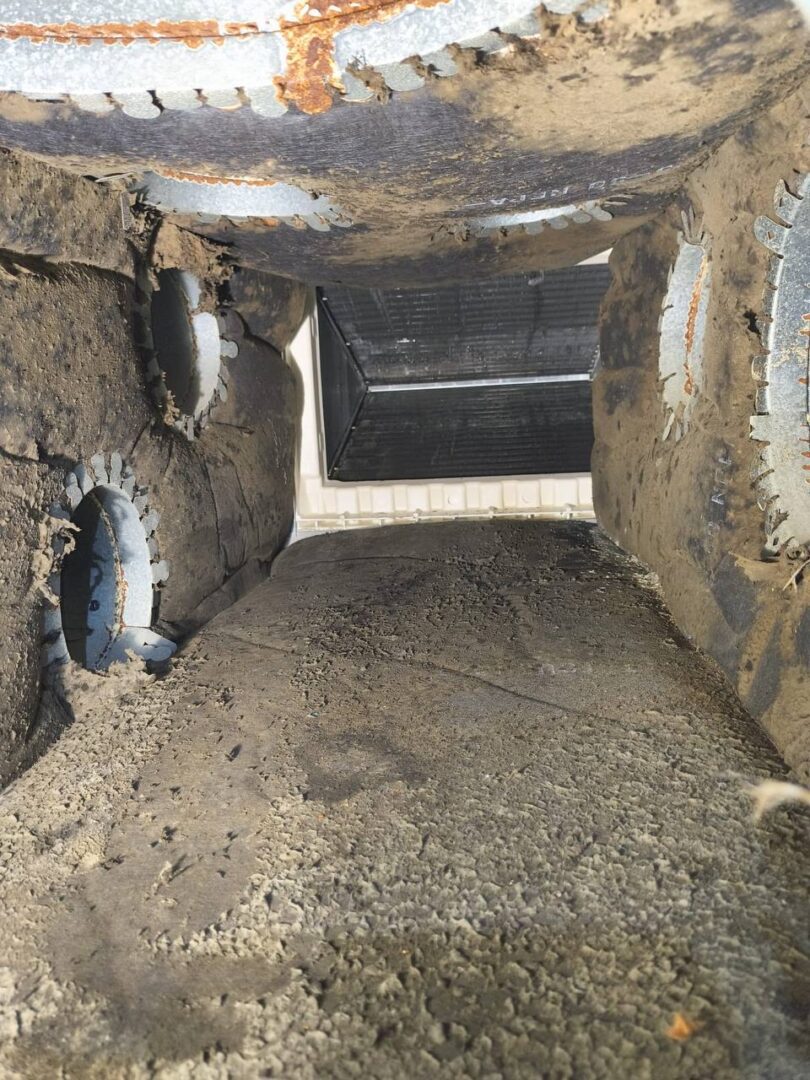
Duct cleaning is worth it in Austin during spring allergy season — specifically because of how Austin’s allergy calendar works. Unlike most U.S. cities where allergy season has a defined start and end, Austin’s pollen calendar runs from January through November, with mountain cedar, oak, grass, and ragweed taking sequential turns in the air. By the time oak pollen peaks in late March and early April, Austin HVAC systems have already been running under pollen pressure for three consecutive months — and the ducts show it.
Why the Generic “Is Duct Cleaning Worth It” Answer Doesn’t Apply to Austin
Most national articles about duct cleaning skepticism are written from a general perspective — they cite EPA guidance from dry-climate studies and conclude that duct cleaning isn’t always necessary. That framing misses what makes Austin different.
Three factors make Austin a strong case for duct cleaning effectiveness:
- Year-round pollen pressure: Austin’s allergy season runs January to November (Wyndly). There is no meaningful off-season for Austin HVAC systems — they transition directly from cedar fever season into oak pollen peak without a recovery window.
- Cedar-to-oak compound buildup: Cedar pollen (December–February) leaves fine, sticky residue on blower wheel fins and duct surfaces. When oak season arrives in March, incoming pollen lands on that existing cedar residue rather than on clean surfaces — compounding the accumulation in a way that single-season climates don’t experience.
- High humidity after spring rains: Central Texas spring weather cycles between dry wind events that spike pollen counts and rain events that drive indoor humidity to 70–80%. That post-rain humidity deposits moisture onto pollen-coated duct surfaces, creating conditions for biological growth that doesn’t occur in drier climates.
The Austin-Statesman reported this week that oak pollen counts peaked this season and are expected to remain high through the coming days. KXAN’s allergy forecast places oak pollen peak at “end of March to beginning of April” — we’re in it right now. The HVAC system running through this window is accumulating the season’s highest pollen load.
What Austin Homeowners Actually Notice After Duct Cleaning
On r/Austin, a homeowner asked recently about duct cleaning effectiveness and got the typical split: some say “doesn’t know if it helps, feels like it does,” others recommend a HEPA air purifier instead. The purifier recommendation isn’t wrong — but it addresses a different problem.
An air purifier filters particles in the active airstream in the room where it sits. It does not clean the blower wheel fins where pollen accumulates most heavily, the duct walls where settled particles get re-suspended on every run cycle, or the evaporator coil where cedar and oak residue combines with spring moisture to seed biological growth. A HEPA purifier in the bedroom treats the air after it’s already come through a contaminated system. Duct cleaning treats the system itself.
Austin homeowners who have had genuine source-removal cleaning — not a 90-minute vent vacuuming, but a full-system clean of the blower wheel, air handler, and all ductwork — consistently notice two things: reduced musty odor when the system runs, and improvement in indoor allergy symptoms that doesn’t correlate as directly with outdoor pollen counts. The second observation is the tell: when indoor symptoms stop tracking outdoor conditions, it’s often because the indoor contamination source has been removed.
When Duct Cleaning Isn’t Worth It in Austin
Honest answer: duct cleaning isn’t worth it when the system is genuinely clean, when the cleaning performed is superficial, or when the household has no allergy-sensitive occupants and no visible or detectable contamination.
It’s also not worth the investment if the company you hire skips the blower wheel and air handler. A service that only cleans accessible duct sections and registers — without addressing the mechanical components where seasonal accumulation concentrates most heavily — delivers limited benefit regardless of the Austin allergy context. The blower wheel is the single most impactful component to clean, and it’s the one most companies skip because accessing it takes time.
Related: Austin’s oak pollen season is peaking right now — here’s what it’s doing to your HVAC | What oak pollen does to Austin air ducts in spring
What a Worth-It Duct Cleaning Looks Like in Austin
AH-CHOO! Indoor Air Quality has been NADCA certified for 38 years and serves the Austin area. A complete residential service is a full-day job — approximately seven hours — covering:
- All supply and return ductwork
- The blower wheel and air handler interior — where cedar and oak pollen accumulation is heaviest
- Evaporator coil area
- All registers and grilles
One job per day. That’s not a scheduling limitation — it’s what source-removal cleaning of a full Austin residential system actually takes when it’s done correctly. Any service finishing in under three hours has left the mechanical components untouched.
For Austin homeowners asking whether it’s worth it: if your system has run through cedar fever season without being professionally cleaned, and oak pollen is currently at or near peak, the answer is yes — and right now is one of the highest-impact timing windows on the spring calendar to do it.
Frequently Asked Questions
Is duct cleaning worth it for Austin allergy sufferers?
For Austin homeowners with allergy or asthma symptoms that worsen during cedar and oak seasons, NADCA-standard duct cleaning removes the accumulated pollen, mold spores, and biological debris that your HVAC recirculates on every run cycle. The Austin-specific case is stronger than in most U.S. cities because of the cedar-to-oak compound buildup that occurs across the January–April pollen window.
When is the best time to get duct cleaning in Austin for spring allergies?
The optimal window is before oak pollen peak — late February or early March, after cedar season but before the highest-volume spring pollen weeks. If that window has passed, during or immediately after peak is effective, removing current-season accumulation before Austin’s spring humidity creates conditions for biological growth. A free inspection confirms whether your system’s buildup warrants cleaning now.
Why does Austin’s allergy season make duct cleaning more valuable than in other cities?
Austin’s pollen calendar runs January to November with no meaningful off-season. Cedar pollen (December–February) leaves sticky residue on duct surfaces; when oak arrives in March, it accumulates on top of that existing residue rather than on clean surfaces. This cedar-to-oak compound buildup is unique to Central Texas’s back-to-back severe allergy seasons and creates contamination levels that single-season climates don’t reach.
Can’t I just use a HEPA air purifier instead of duct cleaning?
A HEPA purifier filters particles in the active airstream in the room where it sits — it doesn’t clean the blower wheel, duct walls, or air handler interior where pollen accumulates and gets re-suspended on every run cycle. The two approaches address different problems: a purifier treats air after it’s passed through the system; duct cleaning removes contamination from the system itself. For Austin allergy sufferers, both can be part of a healthy indoor air strategy, but they’re not substitutes for each other.
How do I know if duct cleaning was actually done properly in Austin?
A legitimate NADCA-standard cleaning takes approximately six to eight hours for a full residential system. It includes the blower wheel, air handler, evaporator coil area, all ductwork, and registers — not just accessible vent sections. Verify any company through NADCA’s public member directory at nadca.com/find-a-professional. Also confirm they hold a Texas TACL license (required to legally access HVAC interior components). See our guide: how to verify NADCA certification before booking.
AH-CHOO! Indoor Air Quality is NADCA certified and serves the Austin area. Contact us for a free inspection.
Related AH-CHOO resources: Houston air duct cleaning; schedule a free inspection.