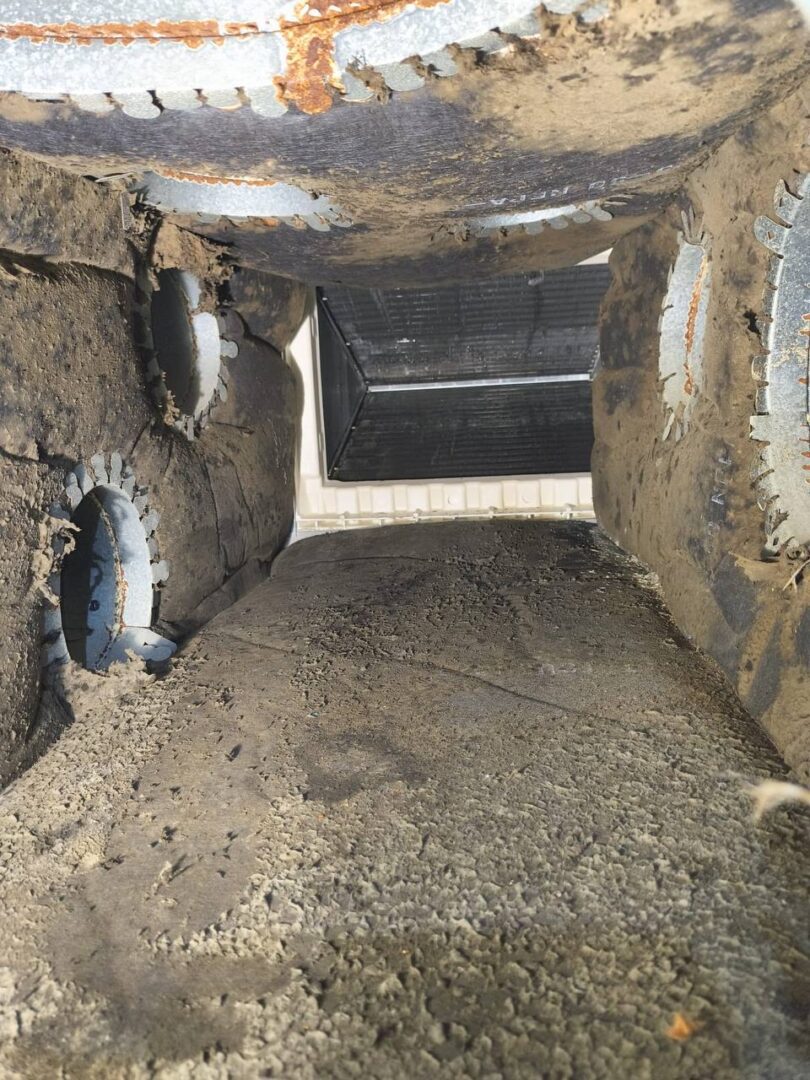
In Houston, allergy season never really ends because the city cycles through tree pollen, grass, mold spores, humidity, and indoor dust almost year-round. When those particles get pulled through a leaky or dirty HVAC system, your ductwork becomes part of the problem instead of part of the solution. That’s why Houston homeowners who feel congested indoors even after wiping surfaces and changing filters often need the duct system inspected — not guessed at.
AH-CHOO! Indoor Air Quality has spent 38 years cleaning full HVAC systems across Houston. We’re NADCA certified, we schedule one job per day, and we dedicate roughly 7 hours to a proper clean because shortcuts don’t fix recontamination. If your allergies calm down when you leave the house but flare back up inside, the duct system deserves a closer look.
Why Houston Allergy Season Feels Constant
Houston doesn’t get one neat allergy window. It gets overlapping waves. Tree pollen spikes in late winter and spring. Humidity supports mold growth for much of the year. Dust, pet dander, and attic-derived debris keep circulating indoors long after the outside trigger changes. Even when outdoor counts improve, the material already pulled into your house can stay inside the system.
That means your HVAC setup can become a storage and delivery path for allergens if three things are happening:
- Your return side is pulling in contaminated indoor or attic air
- Your ductwork already holds dust, pollen, and organic debris
- Your system has moisture conditions that let mold establish and spread
What Your Air Ducts Actually Have to Do With It
Air ducts do not create pollen, mold, or dander. But they can absolutely collect it, redistribute it, and keep exposing the home after the original source changes. In Houston, that matters because systems run hard for long stretches, especially during humid weather. The longer the runtime, the more air moves through every contaminated surface.
When we inspect Houston systems, we typically find the same pattern: dust buildup on supply runs, matted debris at returns, contamination around blower components, and in some homes, microbial growth caused by condensation or humidity imbalance. A clean filter helps, but it does not retroactively clean years of debris out of the system.
5 Signs Your HVAC System Is Making Allergies Worse
- You feel worse at home than outside. That’s a major clue that your indoor environment is holding onto irritants.
- You smell a musty odor when the system starts. That can signal microbial growth or moisture in the duct system.
- Dust comes back quickly after cleaning. Fast re-accumulation often points to system contamination or return-side leakage.
- Registers show dark buildup. Vent staining or debris at grilles can reflect what’s moving through the system.
- Allergy symptoms spike in certain rooms. Uneven contamination or airflow issues can make one zone worse than another.
Why Houston Homes Are Especially Vulnerable
Houston’s humidity changes the whole equation. Moisture is what turns a simple dust problem into a mold risk. Attic ductwork, compromised insulation, poorly sealed connections, and oversized equipment can all create the conditions for condensation. Once moisture combines with organic debris, the system becomes more than dusty — it becomes biologically active.
That’s why our Houston homeowners often need more than a surface-level answer. They need a full-system inspection that looks at the ducts, returns, blower area, coils, and the environmental conditions around the equipment. The right question is not “Are my vents dusty?” It’s “What is my HVAC system holding, and why?”
What a Proper Clean Should Include
Real duct cleaning is not a quick blow-and-go job. A NADCA-standard cleaning addresses the full HVAC system under negative pressure so loosened debris is captured instead of dumped back into the home. That includes supply and return ductwork, major trunk lines, and critical components tied to airflow and contamination control.
At AH-CHOO!, we schedule one job per day because that’s what it takes to do this correctly. A proper residential clean takes about 7 hours. That time allows for setup, containment, agitation, extraction, access work, and before/after review. If the system also shows mold risk, we evaluate whether mold remediation in Houston needs to happen alongside the duct cleaning.
What Homeowners Should Do First
- Replace a visibly overloaded filter
- Keep indoor humidity below 60%
- Pay attention to when symptoms worsen — after system startup, in one room, or all day
- Look for musty smells, vent discoloration, or heavy dust around returns
- Book a professional inspection before the next humidity spike makes the problem worse
If you want a baseline, start with our Houston air duct cleaning page, then compare that to what you’re seeing at home. If your symptoms line up with moisture, odor, or visible buildup, don’t wait for peak summer to test the system under harder conditions.
When It’s Time to Call a Professional
If Houston allergy season feels endless in your house, your HVAC system may be extending the cycle. The fix is not guessing, and it’s not masking symptoms with another filter purchase while the ducts keep circulating what they’ve been holding for years. It’s inspection first, then the right correction based on what’s actually there.
We also recommend homeowners read our guide on condensation in air ducts because moisture and allergy complaints are often connected in Houston homes.
Frequently Asked Questions
Why does allergy season feel year-round in Houston?
Houston has overlapping triggers instead of one short season. Tree pollen, humidity-driven mold, dust, and indoor air contamination can rotate through the year, making symptoms feel constant rather than seasonal.
Can dirty air ducts actually make allergies worse?
Yes. Ducts can collect pollen, dust, dander, and organic debris, then keep redistributing those particles through the home when the system runs. They may not create the allergen, but they can keep exposure going.
Will changing my filter solve the problem?
A good filter helps reduce new debris moving through the system, but it does not remove contamination that is already inside the ductwork, blower area, or related HVAC components.
How do I know if mold is part of the problem?
Musty odors, dark staining around vents, recurring dust, and symptoms that get worse when the system starts can all point to a moisture-related issue. Inspection is the right next step.
How long does a proper duct cleaning take?
A proper residential cleaning takes about 7 hours. That’s one reason AH-CHOO! schedules one job per day instead of rushing multiple homes through a shortcut process.
Also relevant: blower wheel cleaning in Houston is one of the most overlooked sources of recirculated dust and allergens in residential systems.
Related AH-CHOO resources: Houston air duct cleaning; schedule a free inspection.