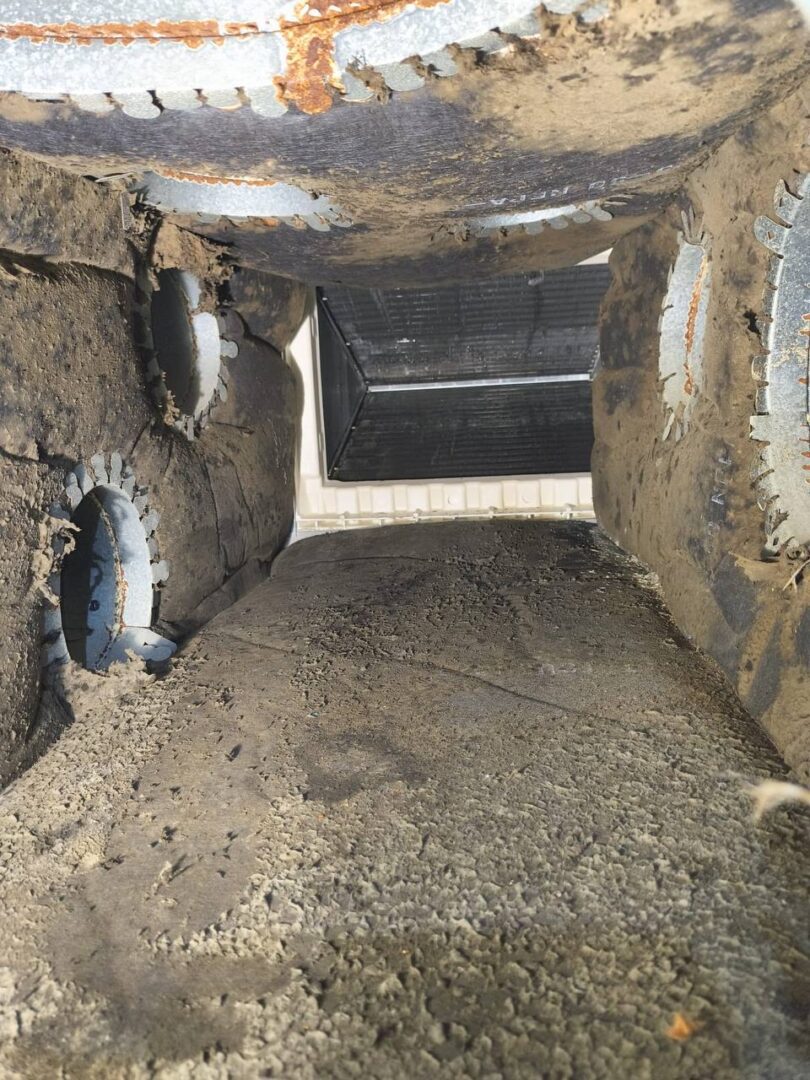
Sugar Land, Texas — Fort Bend County’s largest and most affluent city — offers a unique indoor air quality profile shaped by its position at the southwestern edge of greater Houston. Unlike northern suburbs that contend with wooded greenbelt humidity, Sugar Land’s IAQ challenges come from a different direction: industrial emissions transported by prevailing winds, floodplain moisture from the Brazos River and Oyster Creek, and renovation dust from established master-planned communities.
This guide covers the specific IAQ factors affecting Sugar Land homes — from Houston Ship Channel PM2.5 transport to the renovation cycle in communities like Telfair and Avalon — and explains when professional duct cleaning can meaningfully improve your home’s air quality.
What Makes Sugar Land’s Indoor Air Quality Unique
Several distinct factors combine to create Sugar Land’s IAQ profile, setting it apart from both inner-loop Houston and other suburbs:
- Downwind Houston Ship Channel industrial emissions: Prevailing southeast winds carry PM2.5, SO₂, and VOC compounds from the Houston Ship Channel chemical complex directly into Sugar Land. On ozone action days, the city consistently registers higher AQI readings than western suburbs. SM Energy’s Sugar Land operations and nearby chemical facilities (BASF, Nalco Champion in Richmond/Rosenberg) add localized emissions to the transport burden.
- Brazos River floodplain humidity: Sugar Land is built on the Brazos River floodplain, with Oyster Creek — a major braided stream — running through the city’s core. These waterways maintain constant ground moisture, keeping outdoor relative humidity at 75-85 percent year-round. Homes in floodplain-adjacent neighborhoods like Telfair, Sugar Creek, and Greatwood experience the highest indoor humidity levels.
- MPC renovation dust: Unlike Katy’s active new-build zones, Sugar Land is a mature suburb where established master-planned communities like Telfair, Avalon, and Sugar Creek see significant home-renovation activity. Renovation dust — drywall particulates, demolition debris, hardwood floor sanding — infiltrates adjacent homes’ HVAC systems, amplified by the city’s tight zero-lot-line housing stock.
- High-end HVAC complexity: Sugar Land’s affluence means larger homes (3,500-6,000+ square feet) with zoned HVAC systems, multiple air handlers, and extensive ductwork. More duct surface area means more accumulation surface. The prevalence of second-story HVAC closets and attic installations exposes flex duct liners to higher attic heat, accelerating degradation.
- Oyster Creek greenbelt bio-aerosols: The Oyster Creek linear park system creates a continuous greenbelt corridor through Sugar Land’s most expensive neighborhoods. Dense vegetation along the creek generates high fungal spore counts — Basidiospores, Cladosporium, and Aspergillus/Penicillium — especially in summer months when the creek runs low and organic debris accumulates on the banks.
Common Sugar Land Indoor Air Pollutants
Sugar Land homeowners face a distinct mix of indoor pollutants driven by the city’s geography, housing stock, and regional air quality:
- Industrial PM2.5 (Ship Channel transport): Fine particulate matter from the Houston Ship Channel complex is carried into Sugar Land by prevailing southeast winds. This industrial PM2.5 is chemically different from typical urban dust — it includes sulfates, nitrates, and metal compounds — and can penetrate standard HVAC filters.
- Mold spores from floodplain humidity: The Brazos River floodplain and Oyster Creek maintain consistently high ground moisture. Homes near these waterways see elevated indoor relative humidity, creating conditions for microbial growth in ductwork, especially during summer.
- Renovation particulates: Mature MPC turnover generates renovation dust year-round. In zero-lot-line neighborhoods, a neighbor’s kitchen remodel can send drywall and demolition dust into adjacent homes’ ductwork through shared wall cavities and attic spaces.
- Degraded flex duct debris: Attic-installed flex duct in larger Sugar Land homes degrades faster due to summer attic temperatures exceeding 140°F. The inner liners can separate, releasing fiberglass particles and allowing insulation debris to enter the airstream.
- Fungal spores from greenbelt corridors: Oyster Creek’s vegetative corridor produces concentrated fungal spore loads during warm months, particularly in late summer when creek levels drop and exposed bank sediment dries.
How Sugar Land’s Location Downwind of Houston Ship Channel Affects IAQ
Sugar Land’s position approximately 25 miles southwest of the Houston Ship Channel puts it directly in the prevailing wind path of industrial emissions:
- Prevailing SE wind transport: During the majority of the year, Gulf winds blow from southeast to northwest, carrying Ship Channel emissions directly across Sugar Land. This transport pattern is most pronounced in summer when sea breeze circulation strengthens.
- Ozone action day correlation: Sugar Land consistently registers among the highest AQI readings in the Houston metro area on ozone action days. The Texas Commission on Environmental Quality (TCEQ) monitoring data shows Sugar Land exceeding federal ozone standards more frequently than most other Houston suburbs.
- Peak AQI periods: Summer afternoons (2-6 PM) show the highest PM2.5 and ozone concentrations, as photochemical reactions peak. Closing windows and running HVAC with a MERV 8+ filter during these hours can significantly reduce indoor exposure.
- Indoor-outdoor PM2.5 ratio: Studies in similar downwind suburban settings show indoor PM2.5 levels reaching 60-80 percent of outdoor concentrations during peak pollution events in homes with standard filtration. Upgrading to MERV 11 filtration and ensuring proper door and window sealing can reduce this ratio to 30-40 percent.
Why Master-Planned Community Renovation Creates IAQ Challenges
Sugar Land’s housing stock is dominated by master-planned communities built between 1990 and 2010. As these homes age, renovation activity creates a unique IAQ challenge:
- Zero-lot-line proximity: In communities like Telfair and Avalon, homes are separated by as little as 10-15 feet. A renovation next door can send drywall dust, demolition particulates, and hardwood sanding fines directly into your home through shared wall cavities, attic bypasses, and even common duct chases in attached-garage configurations.
- Renovation seasonality: Most Sugar Land renovations occur in fall and winter (October-February) when homeowners complete interior projects before the brutal summer heat. This means IAQ challenges from renovation dust peak during the same months when homes are sealed tight against cold weather — trapping particulates indoors.
- HVAC system contamination: Renovation dust that enters the return-side of an HVAC system is distributed through the entire duct network. Without a post-renovation duct cleaning, these particulates can recirculate for months or years after construction completes.
When Sugar Land Homeowners Should Consider Duct Cleaning for Better IAQ
Knowing when duct cleaning is actually beneficial can save you money and improve your home’s air quality. Here are the situations where it matters most in Sugar Land:
- During or after a neighbor’s major renovation: If homes within a 100-foot radius of yours have undergone significant remodeling, your ductwork may contain renovation debris that requires professional removal.
- Musty odors near Oyster Creek or floodplain areas: Persistent musty smells, especially in warmer months, suggest microbial growth in ductwork or HVAC components. A video inspection can confirm whether cleaning is needed.
- On ozone action days with visible indoor haze: If you notice a visible haze or increased dust accumulation on surfaces during high-AQI periods, industrial PM2.5 is likely penetrating your home’s filtration.
- Second-story rooms feeling stuffier than the first floor: This can indicate degraded flex duct in attic installations, where heat-exposed duct liners have separated or accumulated debris.
- Following the NADCA-recommended 3-5 year cleaning cycle: Even without specific symptoms, the NADCA standard recommends professional duct cleaning every 3-5 years to prevent gradual accumulation of industrial PM2.5, bio-aerosols, and renovation debris.
Before scheduling any cleaning, request a thorough video inspection of your ductwork. A NADCA-certified company serving Sugar Land will provide a detailed assessment before recommending service.
FAQs About Indoor Air Quality in Sugar Land TX
Q: How does Sugar Land’s location affect indoor air quality compared to other Houston suburbs?
A: Sugar Land sits downwind of the Houston Ship Channel, so it receives more transported industrial PM2.5 than suburbs north or west of Houston. Combined with Brazos River floodplain humidity and MPC renovation dust, Sugar Land’s IAQ challenges are distinct from both inner-loop Houston and northern suburbs like The Woodlands.
Q: Does being downwind of the Houston Ship Channel impact Sugar Land’s air?
A: Yes. Prevailing southeast winds carry PM2.5, SO₂, and VOCs from the Ship Channel complex directly across Sugar Land. On ozone action days, the city registers higher AQI readings than most other Houston suburbs. Indoor PM2.5 levels can reach 60-80 percent of outdoor concentrations in homes with standard HVAC filters.
Q: How does the Brazos River floodplain affect indoor humidity in Sugar Land homes?
A: The Brazos River floodplain and Oyster Creek maintain outdoor relative humidity at 75-85 percent year-round. Homes near these waterways (Telfair, Sugar Creek, Greatwood) experience higher indoor humidity, which can create conditions for mold growth in ductwork and HVAC components, especially during summer months.
Q: How often should Sugar Land homeowners clean their air ducts?
A: NADCA recommends professional air duct cleaning every 3-5 years. However, Sugar Land homes near Oyster Creek greenbelts, in active renovation zones, or with attic-installed flex duct in larger homes may benefit from more frequent inspections — every 2-3 years — to monitor for accelerated debris accumulation.
Q: Does AH-CHOO serve the Sugar Land area?
A: Yes. AH-CHOO provides professional air duct cleaning and IAQ services throughout Sugar Land TX, including Telfair, Avalon, Sugar Creek, Greatwood, and Riverstone. All services are performed by NADCA-certified technicians using HEPA-filtered source removal equipment.
Disclaimer: AH-CHOO Indoor Air Quality provides professional duct cleaning and HVAC sanitation services. We do not perform independent air quality testing. This guide is for educational purposes and does not constitute medical advice.
Related Service Areas
- Indoor Air Quality in Katy, TX
- Indoor Air Quality in Pearland, TX
- Indoor Air Quality in Spring, TX
- Indoor Air Quality in The Woodlands, TX
Related AH-CHOO resources: Houston air duct cleaning; schedule a free inspection.