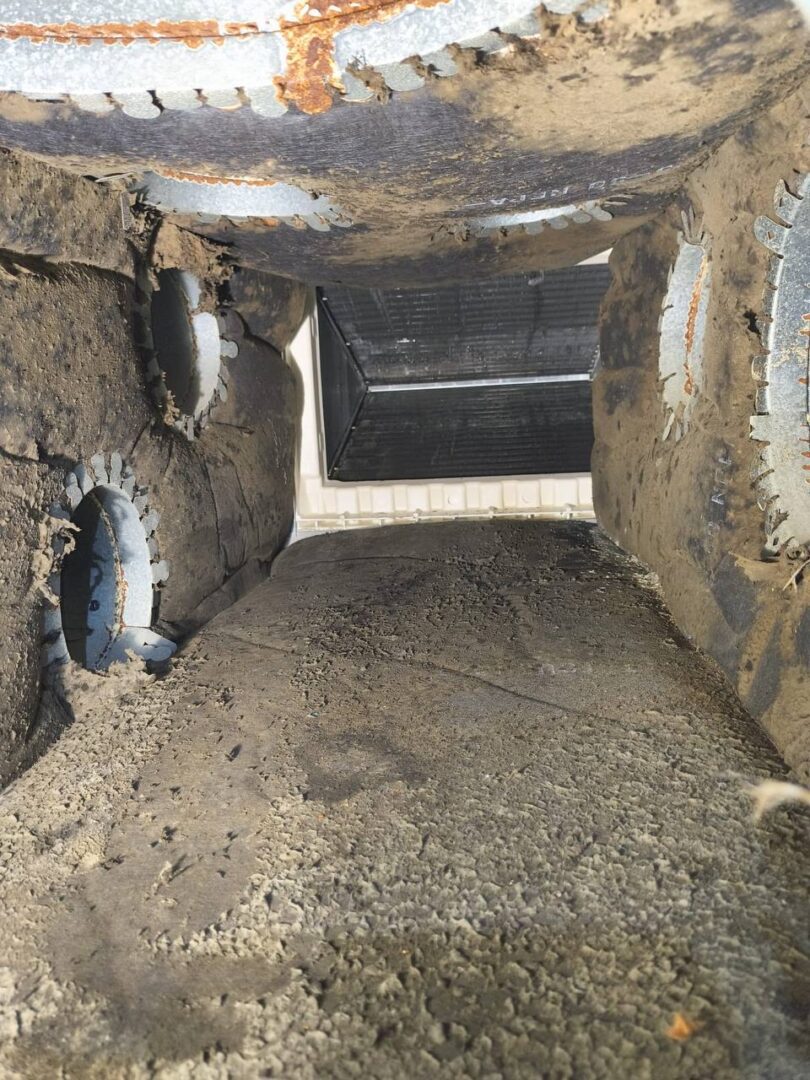
Pearland, Texas — one of the fastest-growing cities in the Houston metro area — sits just 12 miles south of downtown, closer to Galveston Bay than most other Houston suburbs. This position gives Pearland a distinct indoor air quality profile shaped by Gulf humidity, heavy commuter traffic, ongoing new-home construction, and a history of flooding that has left many homeowners concerned about their ductwork.
This guide covers the unique IAQ factors affecting Pearland homes — from Texas Medical Center commute PM2.5 to Shadow Creek Ranch construction dust — and explains when professional duct cleaning can make a meaningful difference.
What Makes Pearland’s Indoor Air Quality Unique
Pearland’s rapid growth from agricultural land to suburban city, combined with its coastal proximity, creates several IAQ factors that differ from both inner-loop Houston and northern suburbs:
- Texas Medical Center commute PM2.5: Pearland is the primary bedroom community for thousands of Texas Medical Center employees. The daily commute on I-45, SH-288, and the Sam Houston Tollway generates concentrated diesel and gasoline PM2.5 during peak hours. Homes along these corridors see elevated fine particulate infiltration.
- Shadow Creek Ranch and ongoing construction: Massive new-home developments like Shadow Creek Ranch are actively adding thousands of homes. Construction dust — drywall particulates, framing debris, concrete fines, and insulation fibers — infiltrates HVAC systems of neighboring established homes through shared airspaces.
- Galveston Bay proximity and Gulf humidity: Pearland is closer to the coast than most Houston suburbs, with outdoor relative humidity averaging 75-90 percent year-round. This persistent moisture creates conditions for microbial growth in ductwork, especially in homes with attic-installed HVAC systems.
- Agricultural-to-suburban transition: Much of Pearland was farmland as recently as the 1990s. New construction in previously agricultural areas disturbs soil that contains naturally occurring fungal spores and organic debris, which can become airborne and enter nearby homes.
- Post-flood IAQ concerns: Pearland was heavily affected by Hurricane Harvey (2017) and Tropical Storm Imelda (2019). Even homes that were professionally remediated may have residual mold in concealed duct sections, duct insulation, or wall cavities.
Common Pearland Indoor Air Pollutants
Pearland homeowners face a specific set of indoor pollutants driven by the city’s geography and development patterns:
- Commute corridor PM2.5: I-45, SH-288, and the Sam Houston Tollway all converge around Pearland. Homes within a quarter-mile of these corridors experience elevated fine particulate infiltration during morning and evening rush hours.
- Construction dust from active developments: Shadow Creek Ranch, Silverlake, and other active MPCs generate sustained construction dust. Unlike mature suburbs where renovation is the primary dust source, Pearland’s active new-build phase means fresh construction debris is a constant factor.
- Mold spores from coastal humidity: Pearland’s proximity to Galveston Bay — roughly 20 miles as the crow flies — means higher baseline humidity than suburbs farther inland. This moisture, combined with the city’s clay soils that retain water, creates ideal conditions for mold proliferation in HVAC systems.
- Former farmland bio-aerosols: Disturbed agricultural soils release fungal spores (Aspergillus, Penicillium, Cladosporium) that naturally occur in Brazoria County’s rich topsoil. During dry, windy conditions, these bio-aerosols can become airborne and enter homes through normal ventilation.
- Flood legacy particulates: Homes in flood-affected areas may have ductwork containing dried sediment, microbial residue, or deteriorated duct insulation from past inundation events, even after visible remediation was completed.
How the Texas Medical Center Commute Affects Pearland’s IAQ
Pearland’s role as a primary residential community for TMC workers creates a distinct IAQ pattern tied to commute timing:
- Rush hour PM2.5 spikes: During peak commute hours (6:30-8:30 AM and 4:00-6:30 PM), PM2.5 concentrations along the SH-288 and I-45 corridors in Pearland increase measurably. Homes near these highways see corresponding indoor PM2.5 increases as infiltration occurs through normal air exchange.
- Indoor accumulation patterns: Unlike industrial PM2.5 that varies with wind direction, commute PM2.5 is predictable — it peaks twice daily on weekdays. Homeowners near commute corridors often notice dark register soiling within 48-72 hours of cleaning, a sign of continuous fine particulate infiltration.
- Filtration recommendations: Upgrading from standard MERV 4-6 filters to MERV 8-11 can reduce indoor PM2.5 from commute sources by 40-60 percent. Running the HVAC fan continuously during peak commute hours further improves filtration effectiveness.
How Pearland’s Gulf Humidity Affects Indoor Air
Pearland’s position just 20 miles from Galveston Bay makes it one of the most humid suburbs in the Houston metro area:
- Year-round high RH: Average outdoor relative humidity in Pearland ranges from 75 percent in winter afternoons to 90+ percent in summer mornings. This persistent moisture means HVAC systems must work harder to dehumidify indoor air, and any duct leaks or insulation gaps become moisture entry points.
- Clay soil moisture retention: Pearland’s clay soils hold water for extended periods after rain, keeping the ground-level microclimate humid for days after a storm. This ground moisture enters crawl spaces and slab foundations, contributing to indoor humidity even when the HVAC system is running.
- Attic-installed HVAC vulnerability: Many Pearland homes have attic-installed air handlers and ductwork. The combination of outdoor humidity and attic heat (140°F+ in summer) creates condensation risk in duct insulation, which can lead to microbial growth inside the duct system.
When Pearland Homeowners Should Consider Duct Cleaning for Better IAQ
Knowing when duct cleaning is actually beneficial is important. Here are the situations where it matters most in Pearland:
- If you live near SH-288 or I-45 and notice dark register dust: Rapid register soiling is a sign that commute PM2.5 is accumulating in your ductwork and being distributed throughout your home.
- In active construction zones like Shadow Creek Ranch: If new homes are being built within a quarter-mile of your home, construction dust likely infiltrated your ductwork during the framing and drywall phases.
- With persistent musty odors in humid months: A musty smell, especially when the HVAC system first turns on, suggests microbial growth in the ductwork or air handler that requires professional attention.
- Post-flood homes (Harvey or Imelda affected areas): Even if your home was remediated, a duct inspection can verify that no residual contamination remains in concealed duct sections.
- Following the NADCA-recommended 3-5 year cleaning cycle: Given Pearland’s humidity, annual inspections (with cleaning every 3-5 years) are a reasonable maintenance schedule.
Before scheduling any cleaning, always request a thorough video inspection of your ductwork. A NADCA-certified company serving Pearland will provide a detailed assessment before recommending service.
FAQs About Indoor Air Quality in Pearland TX
Q: What indoor air quality problems are most common in Pearland TX?
A: The most common IAQ issues in Pearland are commute corridor PM2.5 (from I-45 and SH-288 traffic), construction dust from active developments like Shadow Creek Ranch, mold spores from Gulf humidity, and post-flood residual contamination in homes affected by Harvey or Imelda.
Q: How does Pearland’s proximity to Galveston Bay affect indoor humidity?
A: Pearland is approximately 20 miles from Galveston Bay, which keeps outdoor relative humidity at 75-90 percent year-round. This persistent moisture, combined with Pearland’s clay soils that retain water after rain, means homes experience higher indoor humidity than suburbs farther inland.
Q: Does new construction in Shadow Creek Ranch affect IAQ?
A: Yes. Active new-home construction generates drywall dust, framing particulates, concrete fines, and insulation fibers that can infiltrate neighboring homes’ HVAC systems through shared airspaces. Homeowners near active construction zones should monitor their ductwork for construction debris accumulation.
Q: How should post-flood homes in Pearland address IAQ concerns?
A: Homes in flood-affected areas should have their ductwork professionally inspected, even if visible remediation was completed. Floodwater can leave sediment, microbial contamination, and deteriorated insulation in concealed duct sections that are not visible during a standard home inspection.
Q: Can professional duct cleaning improve Pearland indoor air quality?
A: Yes, in the right circumstances. If your Pearland home is near a commute corridor, in an active construction zone, has high humidity issues, or has flood history, professional duct cleaning by NADCA-certified technicians can remove accumulated debris and contaminants that degrade indoor air quality.
Disclaimer: AH-CHOO Indoor Air Quality provides professional duct cleaning and HVAC sanitation services. We do not perform independent air quality testing. This guide is for educational purposes and does not constitute medical advice.
Related Service Areas
- Indoor Air Quality in Katy, TX
- Indoor Air Quality in Spring, TX
- Indoor Air Quality in Sugar Land, TX
- Indoor Air Quality in The Woodlands, TX
Related AH-CHOO resources: Houston air duct cleaning; schedule a free inspection.