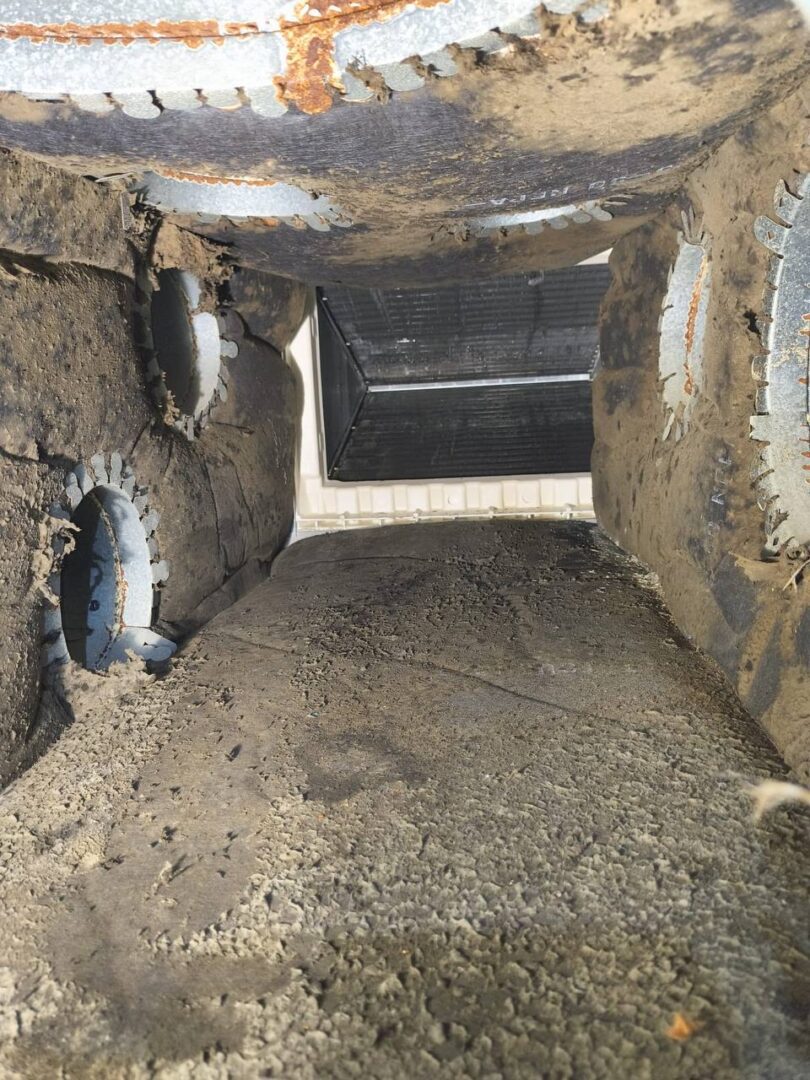
Katy, Texas sits at the western edge of greater Houston where the Katy Prairie meets the coastal plain — a geography that creates indoor air quality (IAQ) challenges distinct from both inner-loop Houston and the Hill Country suburbs to the west. As one of the fastest-growing master-planned community hubs in the United States, Katy’s IAQ profile is shaped by its position along the I-10 Katy Freeway corridor, its agricultural history on the prairie, and the continuous residential construction that defines communities like Cinco Ranch, Elyson, and Sunterra.
With more than a dozen Katy-area posts covering air duct cleaning, NADCA certification, mold, inspection, and dirty ducts, this guide fills the missing piece — a dedicated look at what makes Katy’s indoor air quality unique and how NADCA-certified air duct cleaning addresses the specific contaminants found in homes across this rapidly growing West Houston corridor.
What Makes Katy’s Indoor Air Quality Different from Inner Houston
Katy’s IAQ challenges are rooted in five interconnected factors that set this West Houston corridor apart from the inner city and other suburbs:
- I-10 Katy Freeway freight corridor PM2.5. Katy is bisected by Interstate 10 — the Katy Freeway — one of the widest and most heavily trafficked highways in the United States. This is a primary freight corridor connecting Houston to San Antonio, El Paso, and California. Heavy diesel truck traffic generates significant fine particulate matter (PM2.5) that infiltrates homes near the freeway corridor. Homes within a half mile of I-10 experience measurably higher PM2.5 infiltration rates than homes in Katy’s interior neighborhoods.
- Master-planned community construction dust cycle. Katy’s explosive growth is driven by master-planned communities — Cinco Ranch, Firethorne, Cross Creek, Elyson, Sunterra, Katy Crossing — each representing thousands of homes under continuous construction. Each construction phase releases specific particulates: limestone dust from grading, drywall and sawdust from framing and finishing, and landscape soil from final grading. Homes in active sections of these developments face continuous construction dust exposure.
- Katy Prairie humidity and clay soil moisture. Katy sits on the edge of the Katy Prairie, a vast coastal grassland that retains significant atmospheric moisture. Summer humidity levels consistently exceed 70%, with dew points frequently above 70°F. The underlying clay soils — remnants of the region’s rice farming history — retain ground moisture that wicks through slab foundations, raising indoor relative humidity in homes without adequate vapor barriers or foundation drainage.
- Prairie grass and ragweed pollen dominance. Unlike the Hill Country’s cedar/juniper pollen profile, Katy’s dominant outdoor allergens are grass pollens (Bermuda grass, Johnson grass) and ragweed (Ambrosia species). Grass pollen season runs April through October, while ragweed peaks from August through November. These pollens are finer and lighter than tree pollens, meaning they penetrate window screens and HVAC filters more readily and remain airborne longer once inside.
- Newer construction and builder-grade flex duct. The vast majority of Katy’s housing stock was built post-2000, with flex duct installed in unconditioned attics. Katy attic temperatures routinely exceed 140°F during summer months. This heat accelerates the degradation of flex duct inner liners, which can release fiberglass particles into the airstream over time. Many builder-grade installations also have suboptimal duct sealing, allowing conditioned air to escape into the attic while drawing attic particulates into the return side.
Common Katy Indoor Air Pollutants
Katy homeowners contend with a specific mix of indoor air pollutants shaped by the West Houston corridor environment:
- Construction dust. Limestone, drywall, sawdust, and insulation fibers from continuous residential development in master-planned communities. Homes within 500 feet of active grading or framing face the highest exposure.
- I-10 diesel PM2.5. Fine particulates from the Katy Freeway freight corridor. These sub-2.5-micron particles penetrate standard HVAC filters and accumulate in ductwork, from which they recirculate into living spaces.
- Mold spores. Aspergillus and Penicillium species thrive in Katy’s combination of high prairie humidity, clay soil moisture, and slab foundation construction. These molds colonize ductwork where moisture is present and release spores throughout the HVAC cycle.
- Prairie grass pollen. Bermuda and Johnson grass pollens from the surrounding prairie landscape. These fine pollens enter homes through open windows and HVAC intakes, settling in ductwork and recirculating throughout the growing season.
- Ragweed pollen. Heavy ragweed season from August through November. The fine, lightweight ragweed pollen is highly allergenic and penetrates standard HVAC filtration easily.
- Clay soil silt. During dry periods, Katy’s expansive clay soils shrink and crack, releasing fine silt that infiltrates homes through foundation cracks and open windows. This is especially noticeable in new subdivisions where grading has disturbed native soils.
- Flex duct fiberglass particles. As flex duct inner liners degrade in high-attic-temperature conditions, fiberglass particles can be released into the HVAC airstream. This is most common in homes built between 2000-2015 with original flex duct.
- Pest intrusion from prairie areas. Katy’s location on the prairie edge means higher pest pressure from field rodents, insects, and occasional snakes entering attics through soffit gaps and roof vents. Droppings, nesting debris, and shed skins become biological contaminants in ductwork.
How Katy’s Master-Planned Community Growth Creates IAQ Challenges
Katy’s identity is defined by its master-planned communities, and each development phase creates distinct IAQ implications for homeowners:
- New subdivisions under active construction. If you live in Elyson, Sunterra, or the newer sections of Cinco Ranch or Firethorne, your home is surrounded by active grading, framing, and finishing. Construction dust infiltrates through HVAC intakes, open windows, and door seals. Post-construction duct cleaning within the first year of occupancy is recommended for new homes in active build-out phases.
- Established neighborhoods adjacent to new development. Homes in the original sections of Cinco Ranch (built 1990s-2000s) or older Katy neighborhoods now face dust from infill construction and nearby new subdivisions. As the development frontier pushes westward, established areas experience periodic dust exposure from adjacent construction phases.
- Aging flex duct in post-2000 homes. Katy homes built during the 2000-2015 building boom are now 10-25 years old — an age where flex duct inner liners begin showing degradation in hot attics. These homes would benefit from a duct inspection to assess the condition of original flex duct.
- Slab foundation moisture in former rice farmland. Much of western Katy was built on former rice fields. The heavy clay soils retain agricultural-era moisture and continue wicking ground moisture into slab foundations. Homes without proper foundation drainage or vapor barriers experience higher indoor humidity year-round.
When Katy Homeowners Should Consider Air Duct Cleaning for Better IAQ
These Katy-specific scenarios suggest it may be time for a professional duct inspection and cleaning:
- Musty odors in slab-foundation homes near the prairie edge. If your Katy home sits on a slab foundation and you notice persistent musty smells when the HVAC runs, ground moisture may be feeding microbial growth in your ductwork — a common issue in homes built on former agricultural land.
- Dark dust from supply registers near I-10. If you live within a half mile of the Katy Freeway and notice dark, fine dust settling on furniture near supply registers, diesel PM2.5 may have accumulated in your duct system.
- Visible dust from vents in an active construction neighborhood. New construction grading and framing release particulates that enter through HVAC intakes. If registers in your home show visible dust accumulation shortly after cleaning, construction debris may be recirculating through the duct system.
- Seasonal allergy symptoms that persist during grass and ragweed seasons. Katy’s fine grass and ragweed pollens accumulate in ductwork and recirculate throughout the growing season. Duct cleaning after peak pollen season can reduce indoor pollen exposure.
- 3-5 year NADCA cleaning cycle for most Katy homes. NADCA recommends inspection every 2-3 years with cleaning based on findings. Homes near I-10, adjacent to active construction, or with original flex duct from the 2000-2015 era should consider a shorter interval.
Frequently Asked Questions About Indoor Air Quality in Katy TX
How does Katy’s location on the I-10 corridor affect indoor air quality?
The I-10 Katy Freeway is one of the busiest freight corridors in Texas, carrying heavy diesel truck traffic through the heart of Katy. Homes within a half mile of I-10 experience elevated PM2.5 infiltration from diesel combustion. These fine particulates bypass standard HVAC filters and accumulate inside ductwork, from which they recirculate into living spaces. NADCA-certified duct cleaning removes accumulated fine particulate from duct surfaces, reducing re-circulation of these combustion byproducts.
Does Katy’s rice farming history affect home IAQ today?
Yes. Much of western Katy was built on former rice farmland. The heavy clay soils retain significant moisture from their agricultural history, and slab foundations built on these soils can wick ground moisture into the home. This raises indoor relative humidity and creates conditions favorable for mold spore development inside ductwork, particularly in homes without proper foundation drainage or vapor barriers.
How does Katy’s prairie grass pollen affect indoor air compared to tree pollen?
Katy’s dominant outdoor allergens are fine grass pollens — Bermuda and Johnson grass — which are lighter and smaller than tree pollens. They penetrate window screens and standard HVAC filters more readily and remain airborne longer once indoors. Grass pollen season in Katy runs April through October, giving these fine pollens a longer season to accumulate in ductwork than the shorter tree pollen seasons in other regions.
How often should Katy homeowners have their air ducts cleaned?
NADCA recommends duct inspection every 2-3 years with cleaning based on findings. Katy homeowners near I-10, in active construction zones, or with original flex duct installed between 2000-2015 should consider a 1-2 year inspection interval. Homes in established neighborhoods away from major highways and construction may follow the standard 3-5 year cleaning cycle.
Does AH-CHOO serve the Katy area?
Yes. AH-CHOO provides NADCA-certified air duct cleaning and HVAC sanitation services throughout the Katy area, including Cinco Ranch, Elyson, Sunterra, Firethorne, Cross Creek, Katy Crossing, and all West Houston communities within our service radius.
For more information about Katy indoor air and duct cleaning services, visit our Katy air duct cleaning page, learn about NADCA certification in Katy, schedule an air duct inspection, or see how mold in air ducts affects West Houston homes. For our full Houston metro service area, visit Houston air duct cleaning.
For residents in The Woodlands, see our Woodlands air duct cleaning guide for information specific to Montgomery County and the Lake Woodlands area.
Disclaimer: This information is for educational purposes only. AH-CHOO’s air duct cleaning services are designed to improve HVAC system cleanliness and indoor air quality but do not prevent illness, cure allergies, or guarantee specific health outcomes. Individual results vary. Always consult a qualified healthcare provider for health concerns related to indoor air quality.
Related Service Areas
- Indoor Air Quality in Pearland, TX
- Indoor Air Quality in Spring, TX
- Indoor Air Quality in Sugar Land, TX
- Indoor Air Quality in The Woodlands, TX
Related AH-CHOO resources: schedule a free inspection.