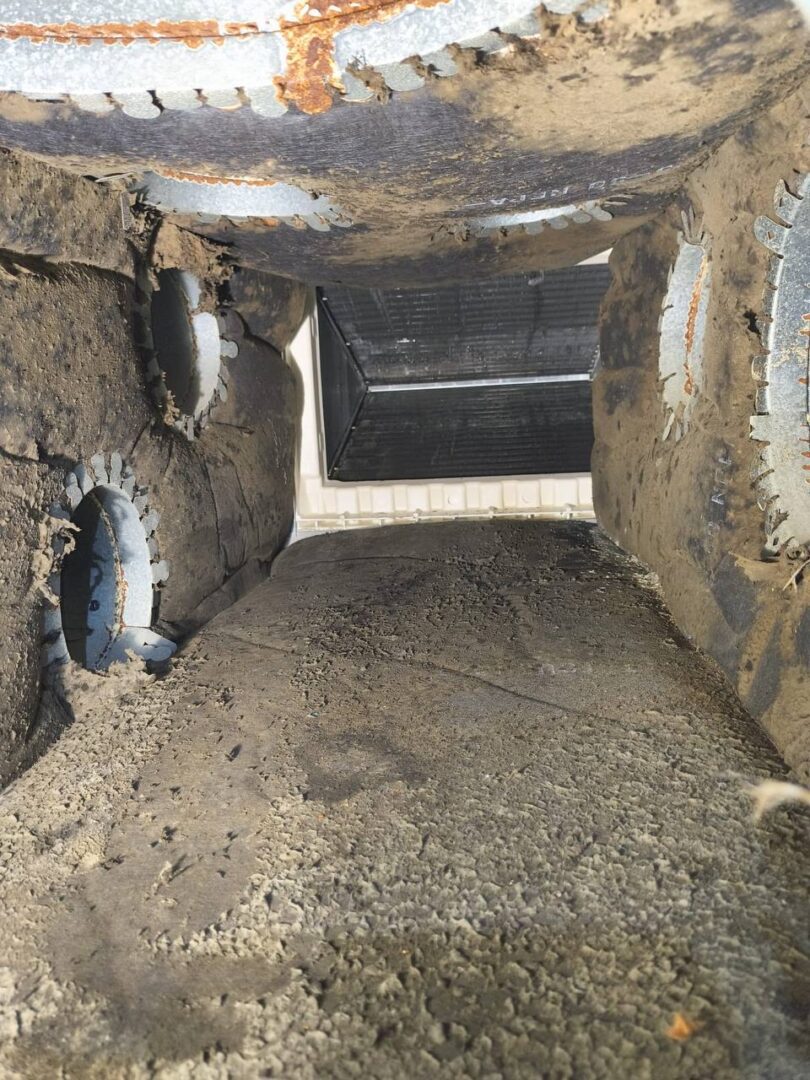
New Braunfels, Texas sits at a unique geographic crossroads — the convergence of I-35 and I-10, the Guadalupe and Comal River corridors, the Edwards Plateau escarpment, and the Blackland Prairie. This intersection of transportation infrastructure, riverine humidity, Hill Country geology, and explosive population growth creates indoor air quality (IAQ) challenges that differ from both Austin and San Antonio, the two major metros it sits between.
While New Braunfels has earned national attention as the fastest-growing US city from 2020 to 2023, its indoor air quality profile is shaped by five interconnected factors that are distinct to the Comal County area. This guide examines what makes New Braunfels IAQ unique and how NADCA-certified air duct cleaning addresses the specific contaminants found in homes across this rapidly growing I-35 corridor community.
What Makes New Braunfels’ Indoor Air Quality Unique
New Braunfels’ IAQ challenges are rooted in five interconnected factors that set the Comal County area apart from other Texas markets:
- Guadalupe and Comal River humidity corridor. New Braunfels is defined by its two spring-fed rivers. The Guadalupe River runs along the city’s eastern edge, while the Comal River — the shortest river in Texas — flows through the heart of downtown and Landa Park. Homes within 1-2 miles of either river experience elevated humidity levels year-round, with dew points 3-5°F higher than neighborhoods farther inland. This river corridor creates a distinct microclimate where HVAC systems operate under constant moisture load, increasing the potential for mold spore development inside ductwork.
- I-35/I-10 convergence diesel PM2.5. New Braunfels sits at the physical junction of Interstate 35 (the primary Austin-San Antonio commuter corridor) and Interstate 10 (a major east-west freight route connecting California to Florida). This convergence means heavy diesel truck traffic passes through the city from all directions. Homes near the I-35/I-10 interchange — particularly neighborhoods in the southern and western portions of the city — are exposed to elevated fine particulate matter (PM2.5) that infiltrates through HVAC return air intakes and window seals.
- Explosive population growth and continuous construction dust. New Braunfels was the fastest-growing US city from 2020-2023, with a population increase of over 25% in three years. This growth rate means active residential construction is happening continuously across the city — from the massive Veramendi development on the north side to the Westpointe expansion near the Comal County line. Each construction phase — grading, framing, finishing, landscaping — releases distinct particulate matter that infiltrates nearby homes through HVAC systems.
- Hill Country limestone alkaline dust. Like other Edwards Plateau communities, New Braunfels’ residential development requires grading the region’s limestone-rich soils. This process releases fine alkaline limestone dust that differs chemically from typical household dust. Limestone dust (calcium carbonate) is abrasive to HVAC components and accumulates in ductwork where it can react with humidity to form calcified deposits over time.
- Cedar/juniper pollen corridor. New Braunfels sits in the transition zone between Hill Country juniper stands and coastal plains. The city lies within the heart of the “cedar fever” belt — the Ashe juniper (mountain cedar) pollen corridor that runs through Central Texas. New Braunfels typically experiences severe cedar fever seasons from December through February, with pollen counts among the highest in the state.
- Tourism-driven HVAC load. New Braunfels is a major tourist destination — Schlitterbahn Waterpark, Wurstfest, Gruene Historic District, and year-round river tubing draw millions of visitors annually. This tourism economy means a large inventory of short-term rental properties, vacation homes, and hospitality venues that operate HVAC systems at higher intensity and with less consistent maintenance than owner-occupied homes, accelerating duct contamination in the rental property segment.
Common New Braunfels Indoor Air Pollutants
New Braunfels homeowners contend with a specific mix of indoor air pollutants shaped by the city’s unique geography and growth trajectory:
- Guadalupe River corridor mold spores. Aspergillus and Penicillium species thrive in the river corridor’s elevated humidity. These common indoor molds colonize ductwork when moisture is present, releasing spores that circulate whenever the HVAC system operates.
- Construction dust from explosive residential development. Fine particulate from grading, framing, and finishing activities at developments like Veramendi (north side), Westpointe (west side), High Pointe (south side), and Gruene-area infill projects. This dust contains limestone, concrete, drywall, and wood particles.
- I-35/I-10 diesel PM2.5. Fine particulates from heavy truck traffic on both interstates. These sub-2.5-micron particles penetrate window seals and HVAC filters less efficiently than larger particles, accumulating in duct systems over time.
- Limestone alkaline dust. Calcium carbonate dust from grading Hill Country soils. This alkaline dust is abrasive and can accumulate in ductwork, where it may interact with condensation to form mineral deposits.
- Mountain cedar/juniper pollen. Ashe juniper pollen levels in New Braunfels are among the highest in Texas during the December-February cedar fever season. The heavy yellow pollen accumulates in duct systems and recirculates throughout the heating season.
- River sediment particles. Fine silt from properties near the Guadalupe and Comal river corridors. River-adjacent homes experience higher airborne sediment loads during dry periods when riverbeds and banks release fine particles into the air.
- Seasonal allergens. Oak pollen (March-April), ragweed (August-November), and grass pollens from the region’s greenbelt areas and the extensive network of parks and natural areas throughout Comal County.
How NADCA-Certified Air Duct Cleaning Helps New Braunfels Homes
Professional air duct cleaning that follows NADCA standards addresses New Braunfels’ specific IAQ challenges through source removal of the contaminants described above. Here is how the process works for the city’s distinct conditions:
- Mold spore source removal from river-corridor ductwork. Homes within the Guadalupe and Comal river humidity zones benefit from source removal of mold-contaminated debris. NADCA-certified cleaning uses agitation, negative air pressure, and HEPA filtration to physically extract microbial contaminants from the entire duct system.
- Construction debris extraction. Newer homes in New Braunfels’ rapidly growing subdivisions — Veramendi, Westpointe, High Pointe — often contain construction debris in ductwork from the building process. Professional cleaning removes drywall dust, sawdust, insulation fibers, and other builder debris.
- PM2.5 reduction from I-35/I-10 infiltration. Air duct cleaning removes accumulated fine particulate from duct surfaces, preventing recirculation of diesel combustion byproducts that have entered through infiltration and settled in the duct system.
- Limestone dust removal. The alkaline limestone dust common in Hill Country homes is mechanically removed through the agitation and negative-air process, preventing long-term calcification of duct surfaces.
- Pollen load reduction. Seasonal pollen — especially mountain cedar — that has settled in ductwork is physically extracted, reducing re-circulation during heating and cooling seasons.
New Braunfels Growth and Your Indoor Air
New Braunfels’ explosive growth means that indoor air quality concerns vary significantly by neighborhood age and location:
- Gruene Historic District area — aging HVAC systems. The historic Gruene area contains older homes and converted commercial structures where HVAC systems and ductwork may be original to the building or retrofitted. These systems often have accumulated decades of debris and may have deteriorated duct insulation that harbors mold.
- Veramendi — new construction builder debris. New homes in the massive Veramendi development, while built to modern energy codes, often contain drywall dust, sawdust, and insulation fibers left in ductwork after construction. A post-construction duct inspection and cleaning within the first year of occupancy is recommended.
- Westpointe — infill construction exposure. Homes in established Westpointe neighborhoods face ongoing dust exposure from adjacent new construction as the development continues to expand. Nearby grading and framing activities release particulate that enters existing homes through HVAC intakes.
- High Pointe — elevated terrain wind-driven particles. The High Pointe area sits on higher ground south of New Braunfels, where wind-driven particle infiltration is more pronounced. Homes on the windward side of ridgelines experience higher rates of fine dust infiltration through window seals and attic vents.
New Braunfels homeowners should consider a post-construction duct inspection within one year of moving into a newly built home, especially in the active growth areas of the city.
When to Consider Air Duct Cleaning in New Braunfels
These New Braunfels-specific scenarios suggest it may be time for a professional duct inspection and cleaning:
- Musty HVAC odors near the Guadalupe or Comal River. If your home is within a mile of either river and you notice a musty or earthy smell when the HVAC system runs, mold may be colonizing your ductwork.
- Visible dust from registers in a neighborhood under active development. If you live in Veramendi, Westpointe, or near any active construction and notice dust accumulating on furniture shortly after cleaning, your ductwork may be recirculating construction debris.
- Heavy truck traffic area (I-35 or I-10 corridor homes). Homes within a quarter mile of either interstate may accumulate diesel PM2.5 in duct systems at a higher rate. Dark dust settling on surfaces near supply registers is a telling sign.
- After cedar fever season (March). Scheduling a post-cedar-season cleaning helps remove the heavy pollen load that accumulated in ductwork during December-February, before seasonal allergens begin rising in spring.
- 3-5 year NADCA cycle for most homes. NADCA recommends inspection every 2-3 years and cleaning based on inspection findings. Most New Braunfels homes fit this standard cycle.
- 2-3 years for riverfront or construction-adjacent properties. Homes on the Guadalupe or Comal river corridors or adjacent to active construction should consider a shorter inspection interval.
Frequently Asked Questions About Indoor Air Quality in New Braunfels TX
Does the Guadalupe River affect indoor air quality in New Braunfels?
Yes. The Guadalupe and Comal River corridors create a humidity microclimate that elevates indoor moisture levels for homes within 1-2 miles of the rivers. This higher ambient humidity creates conditions favorable for mold spore development inside ductwork and air handling equipment. Homes in river-adjacent neighborhoods experience measurably higher rates of HVAC microbial contamination than homes in drier areas of Comal County.
How does rapid construction growth in New Braunfels impact indoor air quality?
New Braunfels’ status as the fastest-growing US city (2020-2023) means continuous residential construction across the city. Grading releases limestone dust, framing generates wood and drywall particulates, and finishing work adds paint fumes and adhesive VOCs. These construction byproducts infiltrate nearby homes through HVAC intakes and window seals, accumulating in ductwork over time. Homes within 500 feet of active construction are most affected.
Does I-35/I-10 truck traffic near New Braunfels affect my indoor air?
Yes. New Braunfels sits at the physical convergence of I-35 and I-10, two of the busiest freight corridors in the United States. Heavy diesel truck traffic on both interstates generates fine particulate matter (PM2.5) that infiltrates homes near the interstate corridors. These microscopic particles bypass standard HVAC filters and accumulate in ductwork, from which they can recirculate into living spaces whenever the system operates.
How often should New Braunfels homeowners consider air duct cleaning for healthy indoor air?
NADCA recommends duct inspection every 2-3 years with cleaning based on findings. New Braunfels homeowners in riverfront areas, near active construction, or within a quarter mile of I-35 or I-10 should consider a shorter inspection interval of 1-2 years due to elevated particulate loads from these sources.
Is cedar fever worse in New Braunfels than nearby areas?
New Braunfels sits in the heart of the Central Texas juniper belt, making its cedar fever season (December-February) among the most severe in the region. The city’s position between the Hill Country’s dense juniper stands to the west and the coastal plains to the east means it receives both local pollen production and wind-borne pollen from the western Edwards Plateau. Air duct cleaning after cedar fever season can remove accumulated pollen from ductwork before spring allergy season begins.
Does AH-CHOO serve the New Braunfels area?
Yes. AH-CHOO provides NADCA-certified air duct cleaning and HVAC sanitation services throughout the New Braunfels area and all Comal County communities, including homes in Gruene, Veramendi, Westpointe, High Pointe, and surrounding areas within our service radius.
For more information about New Braunfels indoor air and duct cleaning services, visit our New Braunfels air duct cleaning guide, learn about NADCA certification in New Braunfels, schedule an air duct inspection, or see how mold in air ducts affects Comal County homes. For our full San Antonio metro service area, visit San Antonio air duct cleaning.
Disclaimer: This information is for educational purposes only. AH-CHOO’s air duct cleaning services are designed to improve HVAC system cleanliness and indoor air quality but do not prevent illness, cure allergies, or guarantee specific health outcomes. Individual results vary. Always consult a qualified healthcare provider for health concerns related to indoor air quality.
Related Service Areas
- Indoor Air Quality in Pflugerville, TX
- Indoor Air Quality in Round Rock, TX
- Indoor Air Quality in Georgetown, TX
- Mold in Air Ducts — Cedar Park, TX
Related AH-CHOO resources: Austin air duct cleaning; schedule a free inspection.