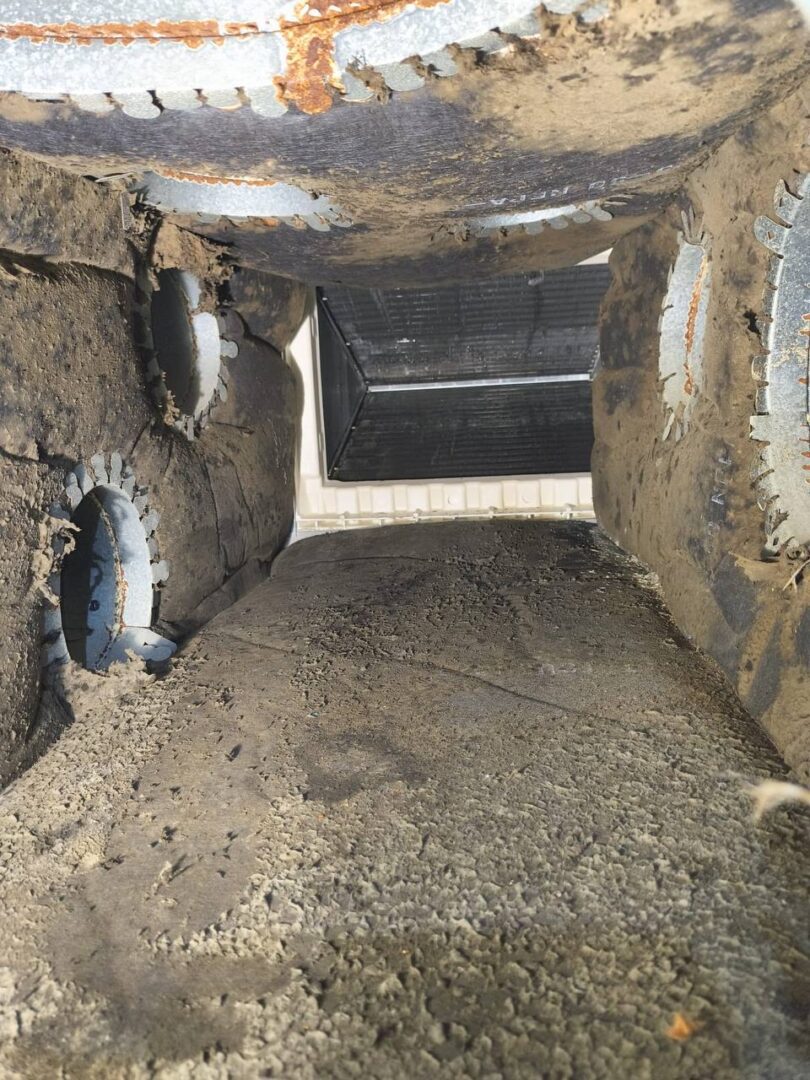
Mold in Air Ducts in Cedar Park: Signs to Notice
A persistent musty odor when the HVAC system runs, recurring moisture near an accessible vent, or visible mold-like material around a register can be a reason to schedule a professional inspection. In Cedar Park, the practical first step is to document what you notice and have accessible system components reviewed. Visual observations alone do not identify a source or the extent of a condition.
Signs Cedar Park homeowners can notice
Many duct-system concerns start with small, repeatable observations rather than a single dramatic event. Note when an odor appears, which rooms are affected, and whether it follows cooling cycles, rain, or a filter change. That context helps a technician focus an inspection on accessible areas without treating a symptom as a diagnosis.
- Musty odors tied to HVAC operation: An odor that appears when the system starts is worth noting, especially if it returns after normal housekeeping.
- Recurring moisture near accessible registers: Condensation on or around a vent cover can point to a moisture condition that deserves a closer look.
- Visible discoloration or mold-like material: Material around a register, return grille, or accessible equipment area should be left undisturbed until it can be inspected.
- Dust or debris that returns quickly: A loaded filter or recurring debris is not proof of a duct condition, but it is useful context for an inspection.
Cedar Park homes span different construction periods and HVAC layouts. Attic duct runs, insulation gaps, drainage concerns, and normal Central Texas humidity can each affect how moisture behaves around accessible components. The goal is not to guess at a cause from one sign; it is to establish which system areas can be inspected and what conditions are actually present.
Why moisture control matters in a duct system
Ductwork is designed to move conditioned air, not to hold moisture. When warm, humid air meets a cold surface, condensation can occur. A duct leak, insulation gap, drainage issue, filter-fit problem, or maintenance concern may contribute to conditions that should be checked. The location and layout of the system matter, which is why a local, in-person review is more useful than a blanket conclusion from a photo or odor description.
Start with the items a homeowner can safely observe: the timing of an odor, visible moisture near an accessible vent, a filter that appears unusually loaded, or a change after a storm or heavy cooling period. Do not remove vent covers beyond what is safe for the home, reach into ductwork, or disturb material that appears unusual. Keeping the system conditions intact gives the inspector a clearer starting point.
What a professional inspection should cover
An inspection is an inspection-first process, not a promise that every concern has the same cause. A technician can review accessible supply and return components, vent covers, the air-handler area, filter fit, and visible moisture or debris conditions. The exact scope depends on the HVAC layout and the areas that can be accessed safely.
If you are already reviewing service options, the Cedar Park air duct cleaning service page explains the local service context. For a suspected moisture issue, ask the technician to explain what was accessible, what was observed, and which next step fits the documented condition. That keeps the discussion focused on the actual system rather than assumptions.
Practical steps before an appointment
- Replace a visibly loaded filter with the size and type specified for the system.
- Write down when the odor or moisture is most noticeable, including whether it is linked to HVAC runtime.
- Take a clear photo of accessible vent-cover discoloration without touching suspected material.
- Keep furniture and storage clear around accessible registers and the air-handler area if possible.
- Avoid spraying products or attempting to clean inside ductwork before the inspection.
These simple notes do not replace a professional review, but they help make the visit more efficient. They also avoid turning a limited visual sign into an unsupported conclusion. A careful inspection can explain the visible system conditions and the appropriate next steps for that specific home.
When to request help
Request an inspection when musty odors persist with HVAC use, moisture repeatedly appears near accessible vents, or you see material that concerns you around a register or accessible equipment. AH-CHOO! can review accessible system conditions and explain the next step based on what is documented. To arrange a visit, contact AH-CHOO!.
Frequently asked questions
How can I tell whether there may be mold in my Cedar Park air ducts?
Persistent musty odors when the HVAC runs, recurring condensation near accessible vents, or visible mold-like material around a register can be reasons to schedule an inspection. Those observations do not confirm the source or extent of a condition; an in-person inspection of accessible components is the appropriate next step.
What can cause moisture conditions inside air ducts?
Condensation, duct leakage, a drainage issue, insulation gaps, and HVAC maintenance problems can contribute to moisture conditions. A technician can inspect accessible components and explain which conditions are present in a specific system.
Should I clean suspected material from inside my ductwork myself?
Avoid disturbing suspected material inside ductwork. An inspection can document accessible conditions and help determine the appropriate scope of work without spreading debris through the system.
What does an air duct inspection in Cedar Park include?
An inspection can review accessible supply and return components, vent covers, the air handler area, filter fit, and visible moisture or debris conditions. The exact scope depends on the HVAC layout and what is accessible at the home.
For related local guidance, see air duct inspection in Cedar Park.
Related Service Areas
- Indoor Air Quality in Pflugerville, TX
- Indoor Air Quality in Round Rock, TX
- Indoor Air Quality in Georgetown, TX
- Indoor Air Quality in New Braunfels, TX
Related AH-CHOO resources: Austin air duct cleaning.