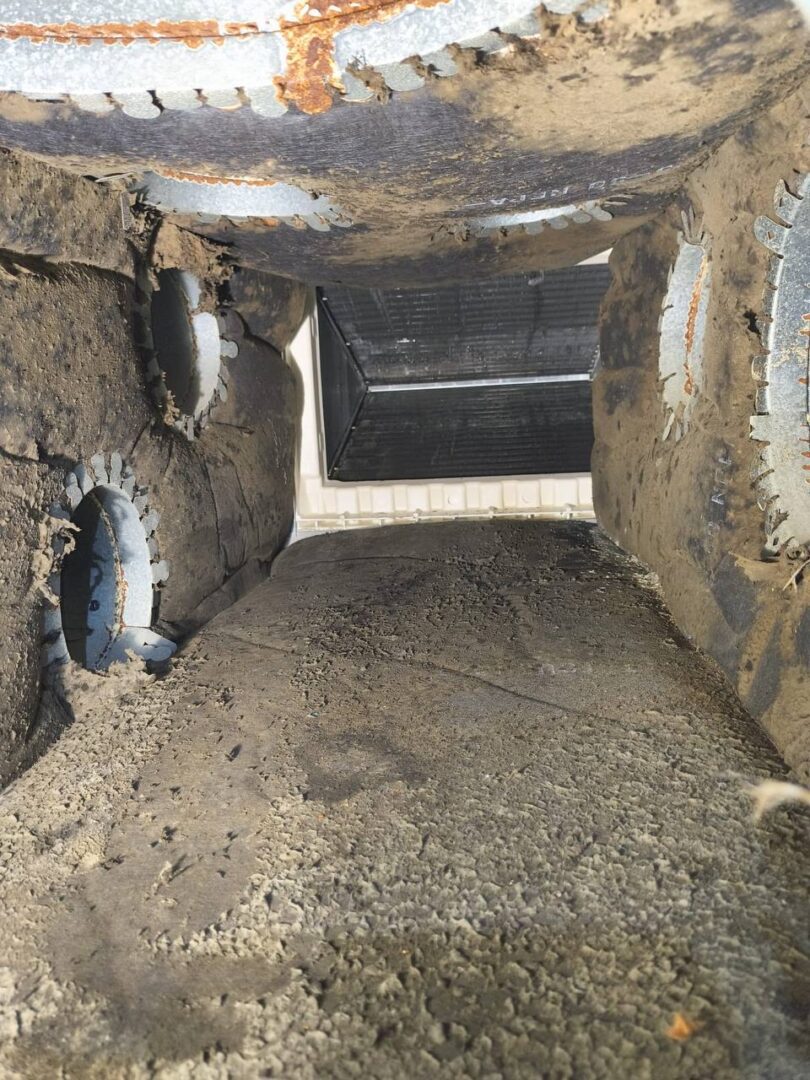
If you’re a Cedar Park homeowner noticing dust collecting faster than usual, unexplained musty odors, or rooms that never seem to cool evenly, you might be wondering whether your air ducts need professional attention. But before you jump straight to cleaning, there’s a critical first step that many homeowners miss: a professional air duct inspection. An inspection tells you exactly what’s in your ducts — whether cleaning is actually needed, what kind of contamination exists, and whether there are underlying issues that need fixing first. Here’s what every Cedar Park homeowner should know.
What Is an Air Duct Inspection?
An air duct inspection is a professional assessment of your home’s ductwork system — the network of metal or flexible tubing that distributes heated and cooled air throughout your home. Unlike a general home inspection, this is a focused evaluation of your duct system’s physical condition, cleanliness, and airflow performance.
According to NADCA (National Air Duct Cleaners Association) standards, a proper inspection includes examining all accessible components of the system: supply and return ducts, register boots, the air handler compartment, evaporator coil, and filter racks. The inspector documents visible conditions and provides a report of findings with recommendations.
A professional NADCA-certified inspector follows the S100-2025 standard, which requires documented evidence of contamination before any cleaning recommendation is made. This means you get an honest, evidence-based assessment — not a pressure sales pitch.
Why Cedar Park Homes Specifically Need Duct Inspections
Cedar Park’s rapid growth and unique geography create specific conditions that make duct inspections particularly valuable for local homeowners.
New construction dust: Cedar Park is one of the fastest-growing suburbs in the Austin metro. New housing developments, road expansion, and commercial construction generate fine silica dust and particulate matter that settles into ductwork. Homes built within the last 5-10 years are especially vulnerable to construction debris left in duct systems during the building process.
Brushy Creek proximity: Homes near Brushy Creek and the Lake Travis area experience higher ambient humidity levels. This moisture, combined with Central Texas temperature swings, creates condensation risks inside ductwork that can lead to mold growth if left unchecked.
Mixed-housing age profile: Cedar Park has a wide range of home ages — from brand-new subdivisions near 183A to established neighborhoods from the 1990s and early 2000s. Older homes may have aging ductwork with leaks, gaps, or deteriorated insulation, while newer homes may have debris from construction that was never properly cleaned out.
What a Professional Duct Inspection Covers
A thorough air duct inspection examines several key areas of your HVAC system:
- Supply ducts: The main ducts carrying conditioned air from your HVAC system to each room. Inspectors check for debris buildup, mold growth, pest contamination, and physical damage.
- Return ducts: The ducts pulling air back to the system. These often accumulate more dust and debris than supply ducts because unfiltered air from the home is drawn through them.
- Air handler compartment: The interior of the air handler is inspected for mold growth, standing water, or debris that can be circulated throughout the duct system.
- Evaporator coil: Inspected for dirt buildup and microbial growth, which can reduce cooling efficiency and create musty odors.
- Register boots and grilles: Checked for visible contamination and proper sealing to prevent air leaks.
- Duct joints and connections: Examined for separation, leaks, or damage that can waste energy and allow contaminants to enter the system.
Types of Duct Inspections
There are two main types of duct inspections available to Cedar Park homeowners:
Visual inspection: The inspector opens accessible access points and uses flashlights and mirrors to examine visible portions of the ductwork. This is the most common type and is sufficient for identifying obvious contamination or damage.
Camera scoping inspection: A more thorough option where a remote camera on a flexible cable is guided through the ductwork to inspect areas that are otherwise inaccessible. Camera scoping is particularly useful for:
- Verifying the extent of suspected mold growth
- Checking for debris or contamination in long duct runs
- Inspecting ducts behind walls or in crawl spaces
- Documenting conditions with video evidence before and after cleaning
When Should You Schedule a Duct Inspection?
NADCA recommends having your air ducts inspected whenever any of the following conditions apply:
- Visible contamination: You can see dust, mold, or debris around vent registers or inside duct openings.
- Musty or unusual odors: Persistent odors when the HVAC system runs may indicate mold, microbial growth, or pest contamination in the ductwork.
- Unexplained allergy symptoms: If family members experience worsening allergy symptoms or respiratory issues specifically when the HVAC system is running.
- After home renovations or new construction: Remodeling, drywall work, or new construction generates fine dust that can infiltrate ductwork and recirculate for years.
- Pest infestations: Evidence of rodents, insects, or other pests in the duct system.
- Before purchasing a home: A duct inspection during the home-buying process can reveal hidden issues that might be costly to address later.
- Every 3-5 years: Even without obvious signs, periodic inspections help catch problems before they escalate.
The Inspection Process: What to Expect
A professional air duct inspection typically takes 45-60 minutes for a standard home. Here’s the general process:
- Initial consultation: The inspector discusses your concerns, any odors or symptoms you’ve noticed, and the age and type of your HVAC system.
- System walkthrough: The inspector locates all accessible access points, including the air handler, main trunk lines, and key branch ducts.
- Visual inspection: Using flashlights, mirrors, and sometimes a boroscope camera, the inspector examines the interior of duct sections for contamination, damage, or blockages.
- Documentation: Findings are photographed or recorded, including any areas of concern that may require cleaning or repair.
- Recommendations: Based on the inspection findings, the inspector provides a clear recommendation — whether cleaning is needed, what type of cleaning, and whether any repairs should be addressed first.
A key principle of NADCA-certified inspections is that the recommendation is driven by evidence, not by a script. If your ducts are clean and no contamination is found, a reputable inspector will tell you so.
After the Inspection: What Your Results Mean
Your inspection report will generally fall into one of three categories:
- Clean ducts, no action needed: Your ductwork is in good condition with minimal debris. No cleaning or repair is recommended. Schedule your next routine inspection in 3-5 years.
- Contamination found, cleaning recommended: The inspection revealed debris, dust accumulation, microbial growth, or pest contamination that warrants professional cleaning. Your inspector will explain what was found and what the cleaning process involves.
- Damage or defects found: In addition to or instead of contamination, the inspector may find duct leaks, disconnected sections, damaged insulation, or other physical defects. These should be repaired before or in conjunction with cleaning.
Frequently Asked Questions About Duct Inspections
Do I need an inspection before duct cleaning?
Yes — NADCA standards require an inspection before any cleaning is recommended. This ensures cleaning is actually needed and helps the technician understand what type of contamination they’re dealing with.
How much does an air duct inspection cost in Cedar Park?
Many NADCA-certified companies offer a free inspection as part of their initial consultation. This allows you to get an evidence-based assessment before deciding whether cleaning is needed.
Can I inspect my own air ducts?
You can visually check visible portions of your ductwork around vent registers and the air handler, but a professional inspection is needed to assess the full system. Hidden sections of ductwork may harbor contamination that isn’t visible from registers alone.
How often should I have my ducts inspected?
NADCA recommends inspection every 3-5 years, or sooner if you notice signs of contamination, after home renovations, or if you’re buying a new home.
Does a home inspection cover duct inspection?
Standard home inspections typically include a limited visual check of visible ductwork but do not include a thorough interior duct inspection. A dedicated duct inspection by a NADCA-certified professional is more comprehensive.
Schedule Your Cedar Park Duct Inspection
If you’re in Cedar Park and noticing signs that your air ducts may need attention, a professional inspection is the right first step. Our NADCA-certified technicians follow the S100-2025 standard for thorough, evidence-based assessments. Contact us to schedule your free inspection and find out exactly what’s in your ducts.
Related AH-CHOO resources: Austin air duct cleaning.