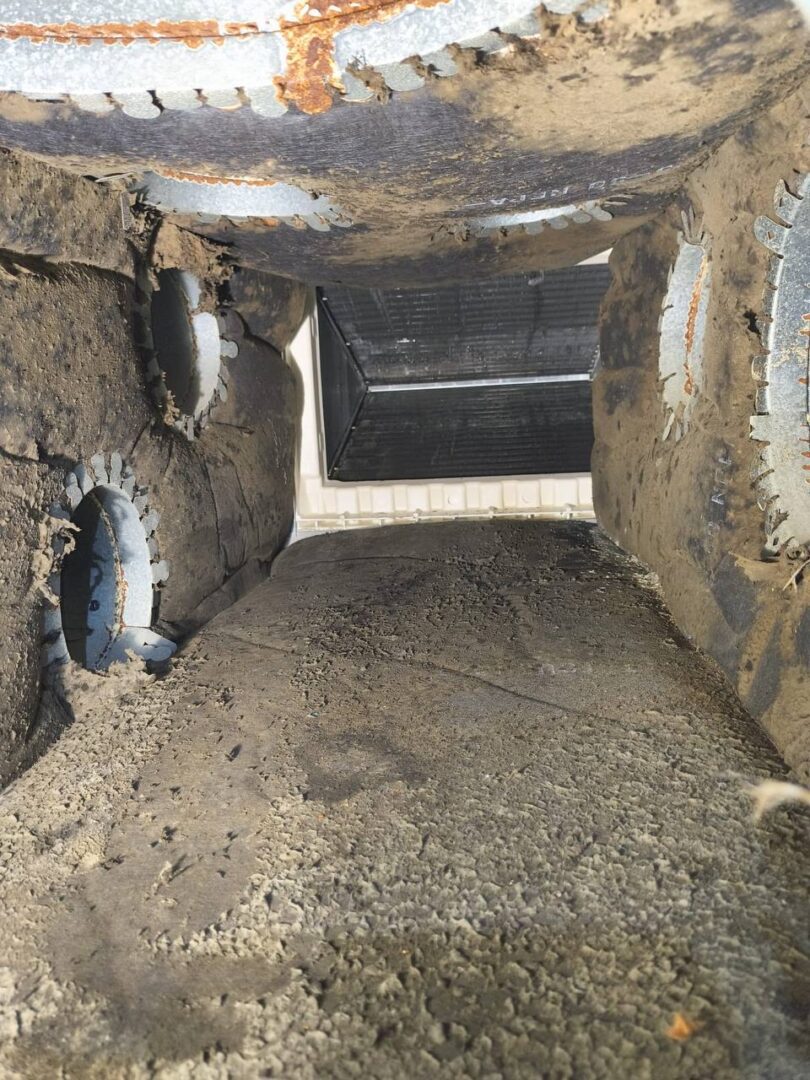
Austin, Texas homeowners have more air duct cleaning options than ever as this rapidly growing city continues to attract new residents from across the country. But with more choices comes an important question: how do you know which duct cleaning company to trust? One of the strongest signals of quality and professionalism is NADCA certification. Here’s what it means and why it matters for Austin homes.
What Is NADCA Certification and Why Does It Matter for Austin Homeowners?
NADCA — the National Air Duct Cleaners Association — is the air duct cleaning industry’s leading standard-setting organization. Established in 1989, NADCA develops and maintains the industry’s ACR standard (Assessment, Cleaning, Restoration), which defines the proper procedures for inspecting, cleaning, and restoring HVAC systems and ductwork.
For Austin homeowners, NADCA certification matters because many homes in this city’s unique geography face specific ductwork challenges. Austin’s location along the Balcones Fault Zone means homes are built on varied terrain — from the limestone-heavy Edwards Plateau in the west to the blackland prairie in the east. This varied geology creates different dust and particulate profiles that affect HVAC systems differently depending on your neighborhood.
What NADCA-Certified Air Duct Cleaning Includes
A NADCA-certified air duct cleaning follows the ACR standard — Assessment, Cleaning, Restoration — which means it goes far beyond what a standard duct cleaning service may offer. Here is what a proper NADCA-certified cleaning includes:
- Thorough inspection: Visual and camera-assisted inspection of all accessible ductwork components — supply ducts, return ducts, plenum, air handler, evaporator coil, and drain pan — following NADCA ACR standards.
- Source removal: Mechanical agitation combined with HEPA-filtered negative air vacuum to physically remove debris rather than simply pushing it around.
- Full system cleaning: Cleaning is not limited to the main trunk lines. Supply ducts, return ducts, plenum box, air handler compartment, evaporator coil, and drain pan are all cleaned as part of the process.
- Post-cleaning verification: Visual confirmation that the system is clean. Some NADCA-certified companies also offer optional microbial sampling for homeowners who want additional verification.
Why Austin Homes Benefit from NADCA-Certified Service
Austin’s unique characteristics create specific conditions that make NADCA-certified cleaning particularly valuable:
- Limestone dust and fine particulates: West Austin neighborhoods including Westlake Hills, Rollingwood, and the Hill Country area sit on limestone bedrock. Fine limestone dust infiltrates ductwork through fresh-air intakes and can accumulate in HVAC systems over time.
- Construction debris: Austin’s explosive growth in areas such as Mueller, Domain, East Austin, and South Congress means many homes were built during active construction phases. Residual drywall dust, wood shavings, and insulation particles are common findings in newer systems.
- Cedar fever season: Austin sits at the epicenter of the mountain cedar allergy zone. Ashe juniper pollen (cedar fever) coats surfaces from December through February and can accumulate in ductwork, recirculating through homes long after the trees stop pollinating.
- Extended cooling season: With summer temperatures regularly exceeding 100F, Austin air conditioners run for eight months or more each year. Extended runtime creates condensation cycles inside ductwork that can lead to moisture issues if the system is not properly maintained.
How to Verify NADCA Certification for an Austin Duct Cleaner
NADCA maintains a public member directory at nadca.com where homeowners can verify whether a company holds current certification. When researching Austin duct cleaning companies, here is what to check:
- Current membership: NADCA membership must be renewed annually. A company that was certified five years ago but has not renewed is not currently NADCA-certified.
- Certified technicians: Individual technicians should hold NADCA certification, not just the company. Ask if the technicians who will be in your home have completed NADCA’s certification program.
- ACR standard compliance: A NADCA-certified company should follow the ACR standard, which includes proper containment, negative air pressure, and HEPA filtration throughout the cleaning process.
- Insurance verification: NADCA requires members to carry general liability insurance. Ask for proof of insurance before scheduling any work.
One common point of confusion on Austin Reddit and neighborhood forums is the difference between a company that simply mentions NADCA on its website versus one that is actually certified. Always verify directly on the NADCA website rather than relying on company claims alone.
NADCA-Certified vs. Non-Certified: What’s the Difference for Austin Homeowners?
The practical difference between NADCA-certified and non-certified air duct cleaning comes down to three factors:
- Standards: NADCA-certified companies follow documented, industry-wide standards for cleaning procedures. Non-certified companies may use any method they choose, including ineffective “push-through” techniques that simply redistribute debris.
- Equipment: NADCA-certified services use HEPA-filtered negative air machines, mechanical agitation tools, and proper containment. Budget cleaners often use shop vacuums with standard filters that recirculate fine particulates into the home.
- Accountability: NADCA provides a formal complaint process for homeowners who receive substandard service. Non-certified companies have no such oversight, which can make resolving disputes more difficult.
Austin Neighborhoods That Benefit Most from NADCA-Certified Cleaning
While all Austin homes can benefit from professional air duct cleaning, certain neighborhoods and housing types see particularly strong results from NADCA-certified service:
- West Austin / Hill Country: Homes on limestone bedrock experience more fine particulate infiltration. The rocky terrain also makes exterior duct access more challenging, requiring experienced technicians familiar with Hill Country construction.
- New construction neighborhoods (Mueller, East Austin, Domain area): Newer homes often have construction debris that was never cleaned out after the building phase. NADCA-certified cleaning removes this debris before it has years to accumulate.
- Homes with slab foundations: Many Austin homes built before 2000 have ductwork running through concrete slab foundations. These ducts are particularly prone to moisture issues and pest intrusion, which NADCA ACR standards address.
- Older Austin homes (78704, 78746, 78731): Homes built before energy codes were tightened often have leakier ductwork that accumulates more debris. NADCA-certified cleaning provides a baseline before considering duct sealing or replacement.
FAQ: NADCA Certification and Austin Air Duct Cleaning
How much does NADCA-certified air duct cleaning cost in Austin? service options varies based on home size, number of systems, and accessibility. The most important factor is that NADCA-certified companies provide clear service information based on the ACR standard scope of work, not a low-ball “whole house special” that leaves components uncleaned.
Can I verify a company’s NADCA certification online? Yes. Visit nadca.com and use their “Find a Professional” directory. Enter the company name or Austin zip code to check current certification status.
Does AH-CHOO! hold NADCA certification? Yes. AH-CHOO! Indoor Air Quality is a NADCA-certified member and our technicians hold current NADCA certifications. We follow ACR standards for every residential and commercial air duct cleaning in the Austin area.
How often should Austin homes get NADCA-certified duct cleaning? NADCA recommends inspecting air ducts every 3 to 5 years and cleaning as needed. Austin homes with pets, allergy sufferers, or recent renovations may benefit from more frequent inspection.
Related Resources
For more information about air duct cleaning in Austin, explore these resources:
- Air Duct Inspection in Cedar Park, TX
- Mold in Air Ducts in Round Rock, TX
- Austin Air Duct Cleaning Services
Related Service Areas
- NADCA Certified Air Duct Cleaning — Cedar Park
- NADCA Member Directory — Air Duct Cleaning
- NADCA Standard vs Cheap Duct Cleaning
- What Does Full System HVAC Cleaning Include?
Frequently Asked Questions About NADCA Certified Air Duct Cleaning in Austin
What does NADCA certification mean for Austin homeowners?
NADCA (National Air Duct Cleaners Association) certification means your air duct cleaning provider follows the industry’s most rigorous standards for HVAC system sanitation. NADCA certified technicians use specialized source-removal equipment, follow the ACR (Assessment, Cleaning, and Restoration) standard, and complete ongoing education. For Austin homeowners, this ensures your system is cleaned to the same professional standards used in hospitals and commercial facilities across the country.
How is Austin air duct cleaning different from other Texas cities?
Austin’s unique climate—with cedar fever season, high spring pollen counts, and humid summers—creates specific HVAC challenges. Our NADCA certified team understands how Austin’s cedar pollen and mold-friendly humidity affect your ductwork. We use AirCare TurboJet equipment with antimicrobial coating that provides long-term protection against Austin’s seasonal allergen buildup.
How long does NADCA certified air duct cleaning take in Austin?
A complete NADCA certified air duct cleaning for a typical Austin home takes approximately 4–7 hours. This includes full inspection of all HVAC components, source removal cleaning of supply and return ducts, plenum, blower motor, evaporator coil, and all vent covers, plus antimicrobial treatment.
Does AH-CHOO serve all Austin metro areas?
Yes, AH-CHOO provides NADCA certified air duct cleaning throughout the Austin metro area including downtown Austin, Round Rock, Cedar Park, Georgetown, Pflugerville, Lakeway, West Lake Hills, and surrounding communities. Schedule your free Austin inspection today.
Related AH-CHOO resources: schedule a free inspection.