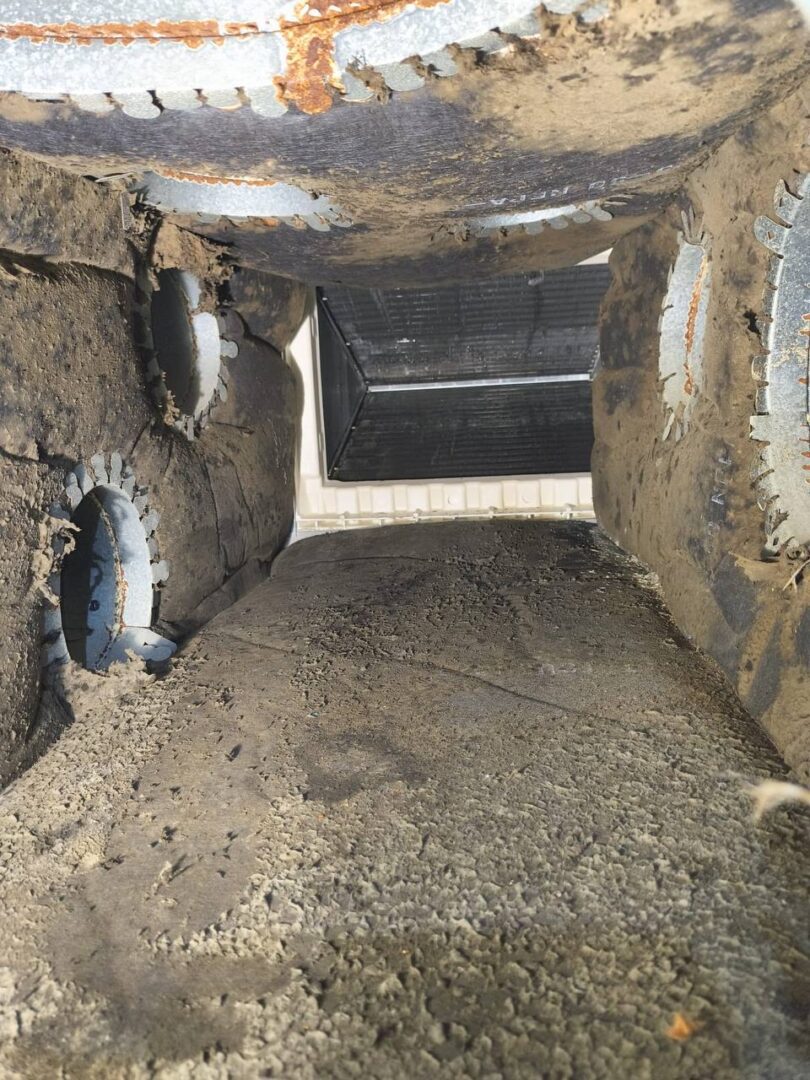
When you hear “full system HVAC cleaning,” you might wonder what’s actually included. Is it different from basic air duct cleaning? Does it cover the entire heating and cooling system, or just the ducts?
These are fair questions. The terms “air duct cleaning” and “HVAC cleaning” are often used interchangeably, but a true full system cleaning covers more components. Here’s exactly what’s included so you know what to expect — and how to tell if a company is offering the real thing.
What “Full System” Actually Means in HVAC Cleaning
A full system HVAC cleaning means every component that air passes through is cleaned — not just the visible ductwork. According to NADCA (National Air Duct Cleaners Association) standards, a complete cleaning addresses the entire air conveyance system from the return air intake through the supply registers.
Basic duct cleaning typically covers only the main trunk lines and accessible runs. Full system cleaning adds the HVAC equipment itself — the parts that actually move, heat, and cool the air.
Components Included in a Full System HVAC Cleaning
1. Air Handler and Blower Compartment
The air handler is the indoor unit that circulates air through your ductwork. Over time, dust and debris accumulate inside the blower compartment, on the blower wheel, and around the motor housing. A full cleaning includes:
- Blower wheel cleaning: The wheel accumulates dirt on fan blades, which unbalances the system and reduces airflow. Professional cleaning removes this buildup.
- Blower compartment vacuuming: All interior surfaces are vacuumed using HEPA-filtered equipment to remove settled debris.
- Motor housing inspection: While the motor itself isn’t cleaned internally, the housing and surrounding area are cleared of debris that could affect performance.
2. Evaporator Coil
The evaporator coil is where refrigerant absorbs heat from indoor air. In humid climates like Houston, Austin, or San Antonio, this coil is constantly wet during cooling season — making it a magnet for dust, mold, and microbial growth. A full system cleaning includes professional coil cleaning using EPA-approved antimicrobial agents when needed.
3. Main Ductwork (Supply and Return)
This is what most people think of as “duct cleaning.” The main trunk lines, branch runs, and flex duct sections are cleaned using agitation tools (whips, brushes, or air skippers) combined with continuous HEPA vacuum. Key areas:
- Supply ducts: Carry conditioned air from the HVAC unit to each room.
- Return ducts: Pull air back to the system for re-conditioning. Returns often accumulate more debris because unfiltered air can enter through leaks.
- Duct boots and registers: The visible floor, wall, or ceiling vents are removed, cleaned, and re-secured.
4. Plenums and Air Mixing Boxes
The supply plenum sits directly above or beside the air handler and distributes conditioned air into the duct branches. The return plenum collects air before it enters the air handler. Both are common debris collection points and are included in a full system cleaning.
5. Filter Racks and Access Doors
Filter racks that are improperly sealed can allow unfiltered air to bypass the filter entirely. A full cleaning includes inspecting filter racks, cleaning the filter slot area, and ensuring a proper seal. Technicians will also recommend the correct filter type and MERV rating for your system.
6. Drain Pan and Condensate Line
The condensate drain pan under the evaporator coil collects moisture that drips off the coil during cooling. If this pan isn’t cleaned, algae, mold, and bacteria can grow and clog the drain line — potentially causing water damage. A full system cleaning includes draining, scrubbing, and flushing the pan and line.
What Is NOT Included in a Full System HVAC Cleaning
It’s also helpful to understand what’s not covered, so you don’t expect services that fall under a different trade:
- Compressor or condenser cleaning: The outdoor unit is typically serviced by an HVAC technician, not a duct cleaning company.
- Refrigerant recharge: Adding refrigerant is an HVAC repair service, not a cleaning service.
- Duct replacement or repair: If ducts are damaged or disconnected, repair is a separate service.
- Air duct sealing: Aeroseal or manual duct sealing is a separate process, though some companies offer it as an add-on.
- Contaminant testing: Measuring specific airborne particles is a separate service from cleaning.
Signs Your System May Need a Full Cleaning
- Visible dust escaping from supply registers shortly after cleaning or filter changes
- Musty or stale odors when the HVAC system runs
- Unexplained increase in energy bills (restricted airflow forces the system to work harder)
- Recent home renovation or construction that generated drywall dust or debris
- Moving into a newly built or recently purchased home
- Pest evidence (rodent droppings, nesting) found near registers or in the attic near ductwork
- Humidity-related concerns — especially in Gulf Coast climates where moisture is constant
How to Choose a Provider for Full System HVAC Cleaning
Not all companies that advertise “full system cleaning” actually clean all the components listed above. Before hiring, ask these questions:
- Are you NADCA-certified? NADCA certification means the company follows industry standards for thorough cleaning. Learn more about why NADCA certification matters.
- Do you clean the air handler and evaporator coil, or only the ducts? A true full system cleaning includes both.
- Do you use HEPA-filtered vacuum equipment? Negative air pressure with HEPA filtration prevents cross-contamination.
- Will you provide before-and-after documentation? Reputable companies photograph or record conditions before and after cleaning.
Frequently Asked Questions
Q: How often should I get a full system HVAC cleaning?
A: NADCA recommends cleaning every 3 to 5 years for typical residential systems. Homes with pets, smokers, allergy sufferers, or recent renovations may benefit from more frequent cleaning — every 2 to 3 years.
Q: Is full system HVAC cleaning the same as air duct cleaning?
A: Not exactly. Basic air duct cleaning focuses on the ductwork only. Full system HVAC cleaning includes the air handler, evaporator coil, blower, plenums, drain pan, and registers — in addition to the ductwork.
Q: How long does a full system HVAC cleaning take?
A: A residential full system cleaning typically takes 2 to 4 hours, depending on system size, number of HVAC units, and accessibility. Basic duct cleaning alone takes about 1 to 2 hours.
Q: Will a full system cleaning improve my HVAC efficiency?
A: Yes. When the blower wheel, evaporator coil, and ductwork are free of debris, airflow improves and the system doesn’t have to work as hard. This can restore lost efficiency that accumulated debris has been stealing over time.
Q: Does full system HVAC cleaning remove mold from ducts?
A: A professional full system cleaning removes visible debris and microbial growth from accessible components. For confirmed mold issues in ductwork, additional remediation steps may be recommended. Read our guide on mold remediation in air ducts.
Q: Is full system cleaning worth it for newer homes?
A: Even new homes benefit. Construction dust, drywall particles, and insulation debris are commonly found in new construction ductwork. A thorough cleaning after move-in ensures your system starts with clean components.
Ready for a thorough evaluation? Contact AH-CHOO to schedule a professional assessment of your full HVAC system. We evaluate ducts, air handler, coil, and all accessible components — then provide an honest recommendation based on what we find. No pressure, no upselling — just clear answers about your system’s condition.
Learn more about professional air duct cleaning services, understand the NADCA cleaning standards, or explore our commercial HVAC cleaning options for business properties. For Gulf Coast homeowners, our guide on evaporator coil cleaning in humid climates explains why coil maintenance matters.