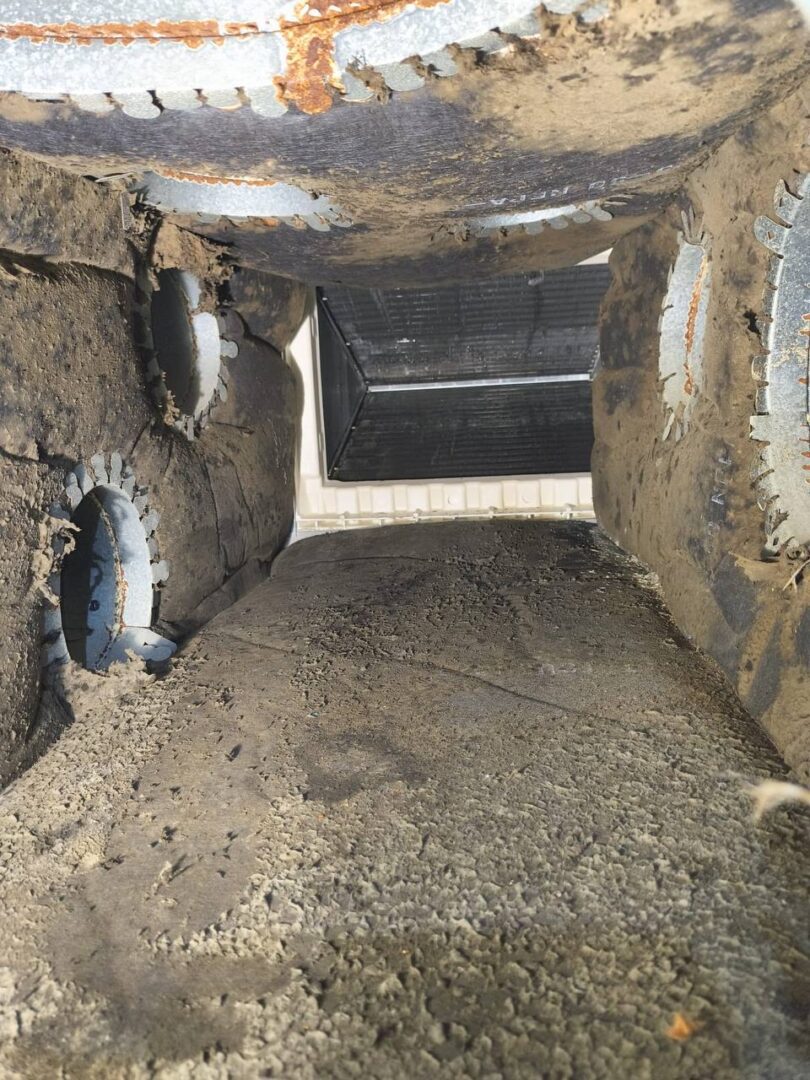
If your HVAC technician mentioned antimicrobial duct treatment after a cleaning or inspection, you might be wondering what it is—and whether your home actually needs it. It sounds clinical. It sounds permanent. And if you’re in the humid Gulf Coast region, it might sound like the solution to a problem you didn’t know you had.
Let’s cut through the marketing. Antimicrobial duct treatment is not a substitute for cleaning. It’s not a magic spray that makes dust disappear. It’s a specific, EPA-regulated supplemental step applied after thorough mechanical cleaning—and understanding what it does (and doesn’t do) is the key to deciding whether it’s worth considering.
What Is Antimicrobial Duct Treatment?
Antimicrobial duct treatment is the application of an EPA-registered antimicrobial agent to the interior surfaces of your HVAC ductwork. According to NADCA (the National Air Duct Cleaners Association) standards, this treatment is applied after all mechanical cleaning steps—source removal, agitation, and HEPA vacuuming—are complete. It is not a standalone cleaning method.
Think of it this way: cleaning removes the debris. Antimicrobial treatment adds a layer of protection against future microbial growth on the cleaned surfaces. Both steps serve different purposes, and neither replaces the other.
How Is Antimicrobial Treatment Applied?
The application process follows a strict protocol designed to ensure safety and effectiveness:
- Ducts must be clean and dry before any treatment is applied. Debris, dust, and moisture all interfere with the antimicrobial’s ability to bond to surfaces.
- A fine mist or fog of the EPA-registered solution is applied to interior duct surfaces using specialized equipment.
- The HVAC system runs for a specified period after application to distribute the treatment evenly and allow surfaces to dry.
- Certified technicians follow the manufacturer’s application rates, coverage specifications, and safety protocols.
The entire process is integrated into a professional duct cleaning service—it is not a DIY product or an add-on you can purchase separately from a reputable cleaning.
When Is Antimicrobial Treatment Recommended?
Not every home needs antimicrobial duct treatment. NADCA guidelines and EPA product labels specify conditions where treatment provides the most value:
- After visible mold or mildew remediation in the duct system—treatment helps inhibit regrowth on surfaces that were contaminated.
- In homes with recurring moisture issues—leaky ducts, high indoor humidity, or condensation problems that make microbial regrowth likely.
- In Gulf Coast and subtropical climates where humidity levels regularly exceed 60% indoors, creating an environment where microbial growth is more common.
- As a preventive measure in homes with a documented history of moisture in the HVAC system, even after the source has been addressed.
- After water damage or flood restoration—ductwork exposed to standing water or prolonged high humidity benefits from antimicrobial treatment after professional cleaning and drying.
Your technician should explain why they recommend treatment based on inspection findings—not as a default upsell. A free inspection is the best way to determine whether your ductwork has conditions that warrant antimicrobial treatment.
What Types of Antimicrobial Products Are Used?
The key word here is EPA-registered. Legitimate antimicrobial products used in duct treatment must be registered with the U.S. Environmental Protection Agency for this specific application. This registration means the product has undergone testing for:
- Safety when applied according to label directions
- Effectiveness against the microorganisms claimed on the label
- Appropriate application methods and concentrations
Professional-grade antimicrobial products differ significantly from consumer-grade sprays or foggers. They are formulated for HVAC application, with viscosity, drying time, and coverage characteristics designed for ductwork interiors. Never accept a “fragrance-only” or “enzyme-only” product as an antimicrobial treatment—only EPA-registered antimicrobials have verified efficacy and safety data.
What Antimicrobial Treatment Does NOT Do
This is where expectations matter. Antimicrobial duct treatment has clear limitations that every homeowner should understand:
- It is not a substitute for mechanical cleaning. Debris, dust, and biofilm must be physically removed before treatment. Applying antimicrobial over uncleaned surfaces is ineffective and violates manufacturer instructions.
- It does not repair damaged ductwork. Leaky ducts, crushed sections, or disconnected joints need physical repair, not chemical treatment.
- It does not prevent future contamination if the underlying moisture problem is not addressed. Treatment is a tool, not a cure-all.
- It is not a medical treatment. Antimicrobial treatment inhibits microbial growth on surfaces—it does not cure allergies, prevent illness, or guarantee improved health outcomes. Avoid any provider who makes such claims.
- It does not eliminate the need for regular HVAC maintenance. Filter changes, coil cleaning, and system inspections remain essential regardless of treatment.
Is Antimicrobial Treatment Safe?
Yes—when applied correctly by trained professionals using EPA-registered products. Several safeguards are built into the process:
- EPA registration requires safety data on human and environmental exposure
- Manufacturer specifications dictate application rates, dwell times, and ventilation requirements
- Professional technicians are trained to follow these specifications exactly
- Surfaces dry completely before the HVAC system returns to normal operation
- Homeowners can resume normal activities immediately after the technician completes the post-treatment air circulation period
The key variable is the provider. A NADCA-certified company follows industry standards for antimicrobial application. A company that treats antimicrobial as a simple spray-and-go upsell without the underlying cleaning step is not following best practices.
How to Know If Your Ducts Need Antimicrobial Treatment
The most reliable answer comes from a professional inspection. Here’s what a reputable NADCA-certified technician should do:
- Visually inspect accessible ductwork for signs of microbial growth
- Check for moisture sources, leaks, or condensation issues
- Review your home’s humidity and moisture history
- Explain their findings and whether antimicrobial treatment is warranted
- Provide a clear rationale—not a pressure sell—for any recommended treatment
AH-CHOO offers free inspections for homeowners who want to understand their ductwork condition before deciding on any service. Our NADCA-certified technicians follow industry standards for both cleaning and antimicrobial treatment, using only EPA-registered products when treatment is warranted.
Schedule your free inspection to learn whether antimicrobial duct treatment is right for your home.
Professional duct cleaning and treatment in Houston: AH-CHOO! provides NADCA-certified air duct cleaning in Houston with a free, no-obligation inspection. If antimicrobial treatment is recommended based on your system’s condition — and only when it is warranted — our technicians use EPA-registered products applied according to NADCA standards. Schedule a free inspection to learn what your ducts actually need.
San Antonio homeowners can also access AH-CHOO!’s NADCA-certified air duct cleaning services in San Antonio with the same antimicrobial treatment options and free inspection.