December in Houston brings something most other parts of the country never experience: cedar fever season. It sneaks up quietly—a slight tickle in your throat in late November, progressing to full-blown congestion, itching, and relentless sneezing by early January. For the next eight to ten weeks, you’re trapped in what feels like a never-ending cold that won’t respond to cold medicine because it’s not a cold at all.
It’s cedar fever: the seasonal allergic reaction to mountain cedar pollen that dominates Houston’s winter air. And if you think the pollen blowing in from outside is your only problem, you’re only seeing half the picture.
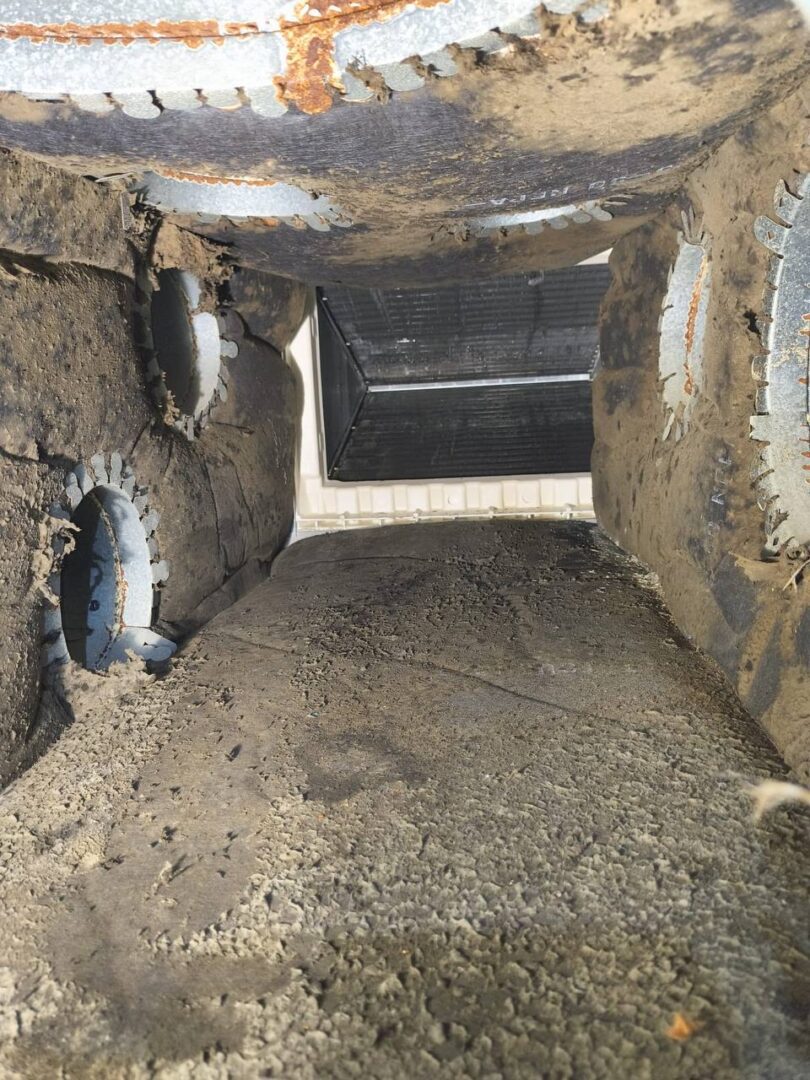
Your HVAC system is trapping cedar pollen inside your home and recirculating it back to you day and night. The ducts running through your house, the blower fan pushing air, the coils and chambers—they’re all collecting microscopic cedar pollen particles. Every time your heating system cycles on (and in Houston’s mild winters, that’s often), you’re breathing that accumulated pollen all over again.
This is the reality of cedar fever in Houston: you can’t escape it outside, and your own HVAC system is ensuring you can’t escape it inside either. But there’s a solution.
Understanding Mountain Cedar and Houston’s Cedar Fever Season
Mountain cedar isn’t actually a cedar. Juniperus asheii—what Houstonians call mountain cedar—is a juniper that thrives in the Texas Hill Country and surrounding regions. Every winter, these trees release astronomical amounts of pollen, and wind patterns send that pollen directly into Houston’s atmosphere.
Cedar pollen season typically runs December through February, with peak counts hitting in January. Some years, if conditions are right, the season extends into March. During peak cedar season, pollen counts regularly exceed 1,000 grains per cubic meter of air—levels that trigger significant allergic reactions in susceptible people.
Why Cedar Pollen Is Particularly Potent
Mountain cedar pollen is one of the most allergenic pollens in North America. It’s microscopic (much smaller than grass or ragweed pollen), which means it penetrates deep into the respiratory tract and evades many home air filtration strategies. A single cedar tree can release millions of pollen grains simultaneously.
The pollen is so fine and prolific that it infiltrates homes through:
- Air conditioning and heating intakes
- Gaps around doors and windows
- Ventilation systems
- Literally any opening, no matter how small
For people with cedar pollen allergies, December 1st marks the beginning of a months-long struggle.
Houston’s Cedar Fever Symptoms (And Why They’re So Severe)
Cedar fever symptoms vary in intensity but typically include:
- Nasal congestion that antihistamines barely touch
- Itching in the nose, throat, and ears that’s maddening
- Sneezing fits that strike without warning
- Watery, itchy eyes
- Sinus pressure and headaches
- Fatigue from nights disrupted by congestion
- Ear fullness and occasional hearing changes
- Sore throat from constant drainage
For people with asthma or other respiratory conditions, cedar fever can trigger asthma attacks and breathing difficulties. It’s not just uncomfortable—for some, it’s genuinely dangerous.
The severity stems partly from the sheer pollen load in Houston’s air during peak season, but it’s amplified by indoor pollen accumulation. If your home’s air ducts are collecting and recirculating cedar pollen, your symptoms are worse than they would be otherwise.
How Your HVAC System Traps and Recirculates Cedar Pollen
During cedar fever season, your heating and air conditioning system becomes an unwilling accomplice in your misery. Here’s how:
The Intake Process
Your HVAC system draws air from your home through return vents. When you open a door, step inside from outside with cedar pollen on your clothes and hair, or when pollen infiltrates through air gaps, that pollen enters the return air stream.
Most of it passes through your air filter, but not all. Pollen particles settle on duct walls, in the blower chamber, on coils, and in bends and junctions throughout your ductwork.
The Accumulation Problem
Cedar pollen doesn’t just pass through your ducts once. It accumulates. Over days and weeks of cedar season, pollen deposits build up in your ductwork like sediment in a river. If you don’t clean your ducts, you’re essentially creating a pollen reservoir inside your home.
The Recirculation Cycle
Every time your heating system runs (and in Houston winters, with mild outside temperatures, you might run heat several times a week), air flows through those pollen-laden ducts. Settled pollen gets stirred up, joins the air stream, and circulates back into your living spaces.
The Compounding Effect
As cedar pollen accumulates in your ducts week after week, the problem worsens. By mid-January, when pollen counts are at their absolute peak outside, your ductwork is simultaneously pummeling you with weeks of accumulated indoor pollen. You’re fighting both the outdoor cedar season and an indoor secondary pollen source.
For someone already struggling with cedar fever, this indoor pollen makes the difference between “I’m miserable but functioning” and “I can barely get out of bed.”
Why Your Standard Air Filter Isn’t Enough During Cedar Season
You might assume that a quality air filter protects you from cedar pollen. It doesn’t—not completely.
Filters Only Clean Air Passing Through Them
A high-quality MERV 11 or 13 filter catches many pollen particles, but not all. Some fine particles slip through, and some pollen settles on ducts before reaching the filter. Once settled, that pollen is beyond the filter’s reach until your next HVAC cycle stirs it up.
Cedar Pollen Is Extremely Fine
Cedar pollen particles are so small that many slip past filters designed for larger particles. Even premium filters miss a significant percentage.
Filters Clog Quickly During Cedar Season
In Houston’s intense cedar season, premium filters clog within 4-6 weeks. A clogged filter doesn’t just fail to catch new pollen—it restricts airflow, potentially causing condensation buildup and mold growth in your ducts (which brings its own set of allergens).
Accumulated Pollen in Ducts Bypasses Filters Entirely
The pollen already settled in your ducts doesn’t need to pass through a filter to affect you. When your system runs, it circulates directly into your home.
This is why professional air duct cleaning before cedar fever season is such a powerful tool. You can’t filter what’s already accumulated in your ducts—you have to remove it physically.
The Pre-Cedar-Season Duct Cleaning: Your Strategic Advantage
The smartest time to address cedar pollen in your ducts is before cedar season begins—specifically, in October or November.
Why Pre-Season Cleaning Works
When you have your ducts professionally cleaned in late October or early November, you start cedar season with a clean slate. Your ducts contain minimal pollen. For the first few weeks of cedar season, your HVAC system remains relatively clean, giving you a window of slightly better symptom control.
You won’t eliminate cedar fever symptoms entirely—outdoor pollen exposure will still trigger reactions. But by reducing the indoor recirculated pollen component, you reduce total allergen exposure. That often means the difference between “I’m barely functional” and “I’m uncomfortable but managing.”
What Professional Cedar Season Cleaning Includes
AH-CHOO!’s professional duct cleaning addresses your entire HVAC system:
- Return air ducts where pollen first enters
- Coils where pollen settles on cold surfaces
- Blower fan which stirs up pollen with every cycle
- Heating chamber where pollen accumulates as air is heated
- Plenum box the central distribution point
- Main ducts the highways where recirculated air travels
- Register boxes and grilles where pollen-laden air enters your rooms
This comprehensive approach removes the months’ worth of cedar pollen accumulation you’d otherwise be breathing.
The Timing Advantage
Schedule your professional cleaning for late October (early cedar season prep) or early November (strategic pre-peak positioning). This timing ensures your ducts are pristine when pollen counts begin rising in late November and peak in January.
If you live in the Houston area and cedar fever affects you, this is the single most effective HVAC-related action you can take for symptom control.
Managing Cedar Fever During the Season: HVAC Strategies
If you didn’t get pre-season cleaning (it’s never too late), or if you need additional strategies during the thick of cedar season, these HVAC-focused approaches help:
Run Your AC During Peak Pollen Hours
Even though it’s winter, running your air conditioner (not just heat) during peak cedar pollen times (typically late morning through early evening) actively removes moisture and cools your home. The AC unit’s evaporator coil acts as a barrier to pollen; running AC filters more air than heating alone.
Keep Your Home Sealed During Peak Pollen
Cedar pollen is so prolific that windows and doors should remain closed during peak season. Use your HVAC system to condition your home rather than opening windows for fresh air. I know that sounds extreme, but during peak cedar season (January), it’s practical.
Maintain Your Filter Religiously
Check your air filter weekly during cedar season. Cedar pollen loads clog filters faster than normal. Replace your filter every 4-6 weeks instead of every 3 months. A clogged filter isn’t catching pollen effectively; worse, it restricts airflow and can cause moisture problems.
Run Your System Continuously Rather Than on “Auto”
During peak season, consider setting your thermostat to run the fan continuously (not just when heating cycles on). This increases air circulation through your filter and helps prevent pollen from settling in ducts. Yes, it uses more energy—but for a few weeks during peak cedar season, the symptom relief is worth it.
Have a Mid-Season Professional Inspection
If you didn’t get pre-season cleaning and cedar season is already brutal, contact a professional HVAC company in January for a inspection. They can assess how much pollen is accumulating in your ducts and recommend mid-season cleaning if conditions warrant it. It’s not ideal (pre-season cleaning is better), but it can provide relief when you’re desperate.
Beyond HVAC: The Complete Cedar Fever Survival Strategy
While your HVAC system plays a significant role in cedar fever misery, it’s one part of a bigger picture. Here’s the complete approach:
Medication Management
Work with an allergist to establish a cedar season medication plan. For many people, starting allergy medication in November—before cedar pollen arrives—is more effective than starting after symptoms appear. Nasal corticosteroids (like fluticasone) are more effective for cedar fever than antihistamines alone.
Environmental Controls
- Keep car windows closed while driving during peak season
- Change clothes and shower after outdoor exposure to rinse pollen from hair and skin
- Use pillow and mattress covers to minimize pollen in your sleep space
- Wipe down pets if they spend time outdoors, as pollen clings to fur
Saline Rinses and Nasal Care
Regular saline rinses remove pollen from nasal passages and sinuses. Using a neti pot or saline spray 2-3 times daily during cedar season provides relief and helps your body clear pollen more effectively.
Professional Immunotherapy
For severe cedar fever that doesn’t respond to medication or environmental controls, allergen immunotherapy (allergy shots or sublingual tablets) can desensitize your immune system to cedar pollen. This is a long-term solution (3-5 years of treatment) but provides permanent relief for many people.
Indoor Air Filtration Supplementation
While whole-home air filtration through your HVAC system is ideal, if your ducts are heavily contaminated or your HVAC system is aging, a portable HEPA air purifier in your bedroom provides additional protection during sleep—the time when you’re most vulnerable to congestion.
The Cedar Fever Reality Check: You Can’t Escape It Completely
Let’s be honest: if you have cedar pollen allergies in Houston, you’re not going to be symptom-free during cedar season. You’ll experience cedar fever to some degree. The goal isn’t elimination; it’s minimization and management.
What professional duct cleaning accomplishes is removing the self-inflicted portion of your cedar fever misery. You can’t control the outdoor pollen count. You can control what’s accumulating inside your home’s HVAC system.
By getting your ducts professionally cleaned in October or early November, you’re saying: “I can’t stop cedar season from happening, but I can at least keep my own home from being a secondary pollen source.”
For people with severe cedar fever, this difference is profound.
AH-CHOO!’s Cedar Season Duct Cleaning Service
AH-CHOO! understands cedar fever because we live it in Houston. We’re NADCA certified with 38 years of experience addressing the unique indoor air quality challenges Houston’s climate creates.
When we clean your ducts for cedar season, we’re not just pushing air around. We’re removing the accumulated pollen burden so your HVAC system works with you during cedar season, not against you.
Here’s what makes our approach different:
Strategic Timing
We recommend October or early November cleaning specifically for cedar season preparation. We understand the timing advantage.
Comprehensive Cleaning
We clean all 8 components of your HVAC system, not just ducts. Cedar pollen settles everywhere—return vents, coils, chambers, blower fan. We address all of it.
Professional Equipment
Real negative-pressure suction systems that remove pollen rather than stirring it around. Video inspection so we see and remove the pollen accumulation you can’t see.
Expert Assessment
During cleaning, our technicians assess your ductwork for insulation issues, seal problems, or mold—all of which compound allergies. We identify problems and recommend solutions.
Free Inspection
Schedule a free inspection in late summer or early fall. We’ll assess your ducts, explain what’s there, recommend cleaning timing, and discuss cedar season preparation strategies tailored to your home.
The Bottom Line: Beat Cedar Fever by Beating Your HVAC System to It
Cedar fever season in Houston is unavoidable. But you can control how much of the pollen load happens inside your own home. Professional air duct cleaning in October or November—before cedar season arrives—removes the indoor pollen reservoir that amplifies your symptoms.
Combined with medical management, environmental controls, and smart HVAC practices during the season, this approach transforms cedar fever from “unbearable” to “manageable.”
Schedule your free inspection with AH-CHOO! today. Seven hours of professional duct cleaning can mean eight weeks of significantly better breathing during Houston’s most brutal allergy season. That’s not a luxury—for cedar fever sufferers, it’s survival.
Frequently Asked Questions
Q: When should I get my air ducts cleaned if I have cedar fever?
A: Schedule cleaning in late October or early November, before cedar pollen counts rise in December. This ensures your ducts are clean when cedar season begins, minimizing the indoor pollen recirculation that amplifies symptoms. If you’ve already entered cedar season, mid-January cleaning can still help, but pre-season cleaning is significantly more effective.
Q: Can professional duct cleaning cure my cedar fever?
A: No—cedar fever is caused by outdoor pollen exposure, and you can’t eliminate that. However, professional duct cleaning removes the indoor pollen recirculation component, which often accounts for 20-30% of your total allergen exposure. Removing that portion significantly reduces symptom severity for many people.
Q: How much pollen accumulates in ducts during cedar season?
A: The amount depends on your home’s dust load, filter quality, and duct condition. During an intense cedar season with poor filtration or compromised ducts, months of accumulation can reach visible levels. Professional cleaning with video inspection reveals exactly what’s there—often to the shock of homeowners who didn’t realize how contaminated their ducts were.
Q: Should I run my HVAC system continuously during cedar season?
A: Running your system on continuous fan mode (rather than “auto”) increases air circulation through your filter and reduces pollen settling in ducts. During peak cedar season (January), continuous running helps. However, this increases energy costs. A balanced approach: use continuous mode during peak pollen days, switch back to auto when pollen counts drop.
Q: Is a better air filter enough to handle cedar pollen?
A: Air filters help but aren’t sufficient alone. Even premium MERV 13 filters don’t capture all cedar pollen, and pollen already settled in your ducts bypasses filters entirely. For cedar fever sufferers, filters are part of the solution; professional duct cleaning is the other essential part.
“`json
{
“@context”: “https://schema.org”,
“@type”: “FAQPage”,
“mainEntity”: [
{
“@type”: “Question”,
“name”: “When should I get my air ducts cleaned if I have cedar fever?”,
“acceptedAnswer”: {
“@type”: “Answer”,
“text”: “Schedule cleaning in late October or early November, before cedar pollen counts rise in December. This ensures your ducts are clean when cedar season begins, minimizing the indoor pollen recirculation that amplifies symptoms. If you’ve already entered cedar season, mid-January cleaning can still help, but pre-season cleaning is significantly more effective.”
}
},
{
“@type”: “Question”,
“name”: “Can professional duct cleaning cure my cedar fever?”,
“acceptedAnswer”: {
“@type”: “Answer”,
“text”: “No—cedar fever is caused by outdoor pollen exposure, and you can’t eliminate that. However, professional duct cleaning removes the indoor pollen recirculation component, which often accounts for 20-30% of your total allergen exposure. Removing that portion significantly reduces symptom severity for many people.”
}
},
{
“@type”: “Question”,
“name”: “How much pollen accumulates in ducts during cedar season?”,
“acceptedAnswer”: {
“@type”: “Answer”,
“text”: “The amount depends on your home’s dust load, filter quality, and duct condition. During an intense cedar season with poor filtration or compromised ducts, months of accumulation can reach visible levels. Professional cleaning with video inspection reveals exactly what’s there—often to the shock of homeowners who didn’t realize how contaminated their ducts were.”
}
},
{
“@type”: “Question”,
“name”: “Should I run my HVAC system continuously during cedar season?”,
“acceptedAnswer”: {
“@type”: “Answer”,
“text”: “Running your system on continuous fan mode (rather than \”auto\”) increases air circulation through your filter and reduces pollen settling in ducts. During peak cedar season (January), continuous running helps. However, this increases energy costs. A balanced approach: use continuous mode during peak pollen days, switch back to auto when pollen counts drop.”
}
},
{
“@type”: “Question”,
“name”: “Is a better air filter enough to handle cedar pollen?”,
“acceptedAnswer”: {
“@type”: “Answer”,
“text”: “Air filters help but aren’t sufficient alone. Even premium MERV 13 filters don’t capture all cedar pollen, and pollen already settled in your ducts bypasses filters entirely. For cedar fever sufferers, filters are part of the solution; professional duct cleaning is the other essential part.”
}
}
]
}
“`
“`json
{
“@context”: “https://schema.org”,
“@type”: “Article”,
“headline”: “Houston Cedar Fever and HVAC: The Complete Winter Allergy Survival Guide”,
“description”: “Cedar fever in Houston is brutal Dec-Feb. Learn why your HVAC system is making it worse and how duct cleaning brings relief during mountain cedar season.”,
“author”: {
“@type”: “Organization”,
“name”: “AH-CHOO! Indoor Air Quality”
},
“publisher”: {
“@type”: “Organization”,
“name”: “AH-CHOO! Indoor Air Quality”,
“logo”: {
“@type”: “ImageObject”,
“url”: “https://ahchooindoorair.com/logo.png”
}
},
“datePublished”: “2026-03-26”,
“dateModified”: “2026-03-26”,
“articleBody”: “December in Houston brings something most other parts of the country never experience: cedar fever season. It sneaks up quietly—a slight tickle in your throat in late November, progressing to full-blown congestion, itching, and relentless sneezing by early January. For the next eight to ten weeks, you’re trapped in what feels like a never-ending cold that won’t respond to cold medicine because it’s not a cold at all.\n\nIt’s cedar fever: the seasonal allergic reaction to mountain cedar pollen that dominates Houston’s winter air. And if you think the pollen blowing in from outside is your only problem, you’re only seeing half the picture.\n\nYour HVAC system is trapping cedar pollen inside your home and recirculating it back to you day and night. The ducts running through your house, the blower fan pushing air, the coils and chambers—they’re all collecting microscopic cedar pollen particles. Every time your heating system cycles on (and in Houston’s mild winters, that’s often), you’re breathing that accumulated pollen all over again.”,
“mainEntity”: {
“@type”: “FAQPage”
}
}
“`
For more information, see our guides on air duct cleaning for allergy sufferers in Houston, what causes mold in air ducts, and air duct cleaning in Houston.
Related Reading for Houston Allergy Sufferers
- Air Duct Cleaning for Allergy Sufferers in Houston
- Air Duct Cleaning for Pet Owners in Houston
- Houston Air Duct Cleaning Services
Related AH-CHOO resources: schedule a free inspection.