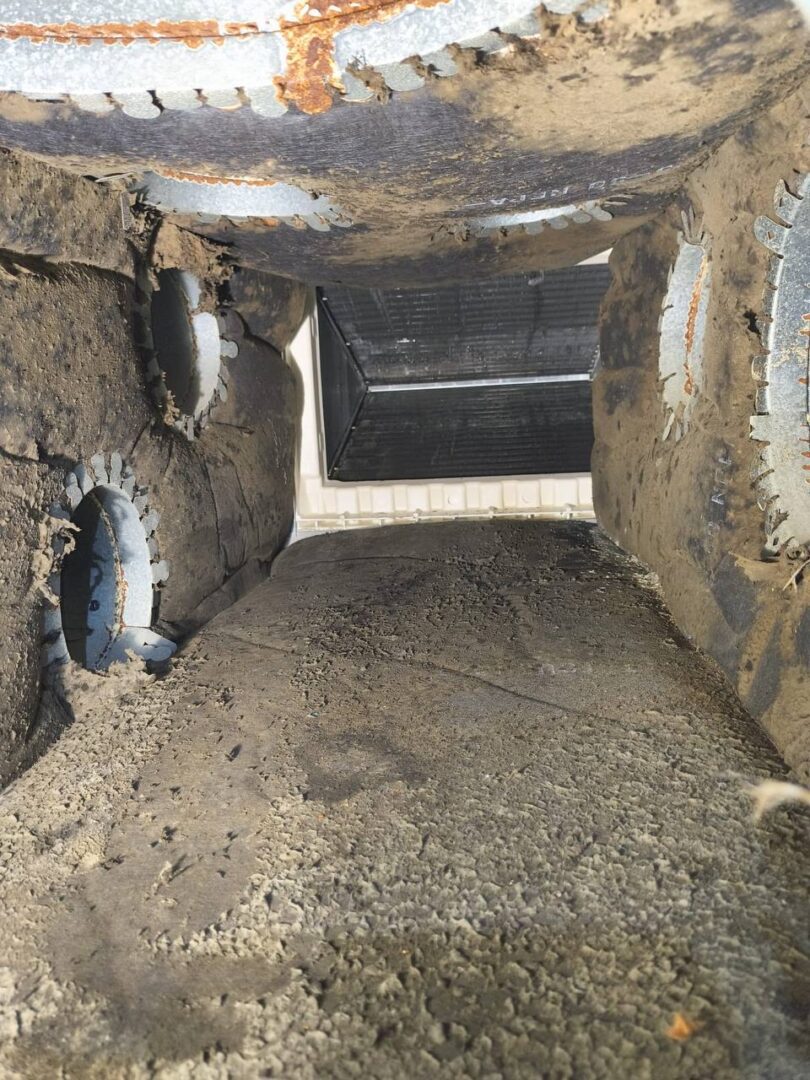
You’ve tried everything: antihistamines, nasal sprays, air purifiers, even dietary changes. Yet every spring, allergy symptoms hit you like a wall—itchy eyes, congestion, sneezing fits that last for hours. You blame the pollen blowing in from outside. But what if the real problem is already inside your home, recirculating through your HVAC system with every cooling cycle?
For Houston allergy sufferers, air ducts are often the overlooked culprit. The same ducts that deliver cool air to every room in your home are collecting pollen, dust mites, pet dander, and mold spores—and circulating them back to you day after day, night after night. Professional air duct cleaning isn’t a luxury; for many allergy-prone Houstonians, it’s the missing piece that finally brings relief.
Understanding Houston’s Allergy Season (It’s Longer Than You Think)
Houston doesn’t have one allergy season. We have several—and they overlap in ways that create near-year-round misery for people with pollen sensitivity.
Cedar Fever (December through February)
Mountain cedar, misnamed but relentless, causes what locals call “cedar fever.” Despite the name, it’s not the flu—it’s allergic rhinitis triggered by cedar pollen counts that spike in winter and early spring. Cedar pollen is microscopic and extremely potent. Even with windows closed, it infiltrates your home through air leaks, open doors, and HVAC system intake vents.
Oak Pollen (February through April)
As cedar season winds down, oak pollen takes over. Houston’s oak trees release massive amounts of pollen in spring, coating surfaces with a thin yellow film and triggering itching and congestion in susceptible people.
Ragweed and Other Weeds (August through November)
Late summer and fall bring ragweed and other mold spores that thrive in Houston’s humid heat. If you’ve ever felt worse in late August, ragweed is likely the culprit.
Year-Round Indoor Allergens
Beyond seasonal pollen, Houston’s year-round indoor allergens are significant: dust mites thrive in our humid climate, pet dander accumulates in homes with animals, and mold spores flourish in bathrooms, kitchens, and—yes—air ducts.
For someone with allergies, the average Houston home is essentially a sealed box filled with recirculated allergens.
How Your Air Ducts Become an Allergen Trap
Your HVAC system pulls air from your home, cools or heats it, and pushes it back out through ductwork. Sounds simple. But here’s what actually happens in those ducts:
Pollen Accumulation
Every time a door opens, pollen sneaks in. Every time someone comes home from outside with pollen on their clothes, hair, or skin, fine particles end up indoors. Your HVAC system’s return air vents suck in this pollen—and much of it settles inside your ducts rather than passing through the air filter.
Dust Mite Colonies
Dust mites don’t just live on surfaces; they colonize inside ductwork, especially in areas where dust accumulates. Dead dust mites and their fecal matter (a major allergen) circulate every time your AC kicks on.
Pet Dander Buildup
If you have pets, their dander ends up in your ducts. Your air filter catches some, but not all. Over months and years, dander accumulates in duct bends and junctions, becoming a reservoir of allergens that your system recirculates endlessly.
Mold Spores (Houston’s Humidity Connection)
Houston’s humidity means mold thrives in ductwork, especially in insulation and in areas where condensation occurs. Mold spores are allergens; inhaling them triggers sneezing, congestion, and respiratory irritation.
Skin Flakes and Other Debris
Humans shed dead skin cells—about 30,000 per minute. These microscopic flakes accumulate in ducts, providing food for dust mites and creating visible dust in your vents.
The result? Your HVAC system doesn’t just heat and cool your home; it’s a dust and allergen distribution system, delivering pollen, dust mite allergens, pet dander, and mold spores to every room with every cycle.
Why Standard Air Filters Aren’t Enough
You might think a good air filter solves this problem. It doesn’t—at least not completely.
Air filters only clean air passing through them. Dust and pollen that settle inside your ducts, on duct walls, and in bends bypass your filter entirely. They sit dormant until your HVAC system kicks on again, then swirl back into your breathing space.
High-MERV filters can damage older systems. Upgrading to a MERV 13 filter increases air resistance. If your system wasn’t designed for it, your blower works harder, reducing airflow and increasing energy costs. For many Houston homes, a MERV 8 or 11 filter is the practical limit.
Filters clog quickly in Houston’s environment. Between dust, pollen, and humidity-related moisture, filters in Houston homes clog every 1-2 months. A clogged filter doesn’t just fail to clean air—it restricts airflow, which can cause moisture buildup in ducts and mold growth.
Filters don’t address what’s already in your ducts. Even with a brand-new premium filter, the accumulated allergens coating your duct interior continue circulating. You’re treating the symptom (new allergens entering) without addressing the cause (existing allergen buildup).
This is why professional air duct cleaning is a game-changer for allergy sufferers. It removes the allergen reservoir that your filter can’t touch.
How Professional Air Duct Cleaning Reduces Allergy Symptoms
When AH-CHOO! cleans your air ducts professionally, we address the hidden allergen problem with comprehensive cleaning:
We Clean 8 System Components
Return air ducts, coils, blower fan, heating chamber, plenum box, ducts, register boxes, and grills. Many companies only clean ductwork. We know that pollen, dust, and allergens accumulate throughout your entire HVAC system, so we clean all of it.
We Remove Years of Accumulated Debris
Our equipment uses high-powered suction and mechanical agitation to dislodge dust, pollen, pet dander, and mold spores that have settled inside your ducts. A single professional cleaning removes allergen buildup that air filters have missed for years.
We Use Specialized Equipment
Consumer-grade duct cleaning equipment exists, but it’s ineffective. Professional equipment includes:
- High-powered negative pressure suction systems that remove debris rather than just pushing it around
- Mechanical agitation tools that loosen dust and allergens from duct walls
- Real-time video inspection (cameras) so we see exactly what we’re removing
- HEPA filtration on exhaust air, so allergens are captured, not vented back outside
We Assess Your System’s Condition
During cleaning, our NADCA-certified technicians identify areas of concern: mold growth, inadequate insulation, leaks, or blockages. If mold is present, we recommend professional mold remediation. If insulation is compromised, we explain why and discuss solutions.
The Result: Clean Air, Starting Immediately
After professional cleaning, the air circulating through your home is noticeably cleaner. Many allergy sufferers report reduced symptoms within days—fewer sneezing fits, clearer breathing, less nighttime congestion.
Timing Matters: When to Schedule Duct Cleaning if You Have Allergies
Before Allergy Season Begins
If cedar fever is your nemesis, schedule cleaning in November or early December, before pollen counts spike. Starting the season with clean ducts means fewer allergens circulating during peak exposure time.
Before Spring Allergies Peak
Schedule in late February or early March, before oak and other spring pollen seasons hit. Clean ducts heading into spring give you a significant advantage.
After Summer and Before Ragweed Season
A cleaning in late July or early August removes the allergen buildup from summer AC use and prepares you for ragweed season (August-November).
If You’re Struggling Year-Round
Some people with severe allergies benefit from cleaning more frequently—every 2-3 years instead of 3-5. A free inspection from AH-CHOO! can assess your specific situation and recommend an optimal cleaning schedule.
The Connection Between Duct Cleanliness and Allergy Severity
Research consistently shows that people with allergies experience symptom improvement after professional duct cleaning. Why?
Clean ducts reduce the allergen load your body is fighting. If your immune system is constantly bombarded with pollen and dust from contaminated ducts, your allergic response is amplified—sneezing, congestion, and itching intensify.
Remove that constant allergen exposure, and your immune system has a chance to rest. You’re still exposed to outdoor pollen during allergy season, but your home—the place you spend 60-70% of your time—is now a refuge rather than an allergen amplifier.
For Houston allergy sufferers, professional duct cleaning often moves you from “always symptomatic” to “symptomatic only during peak exposure times.” That’s a meaningful quality-of-life difference.
Beyond Cleaning: Additional Steps for Serious Allergy Sufferers
If allergies dominate your life, consider these complementary strategies:
Upgrade to HEPA Filtration
A whole-house HEPA system removes allergens at a higher efficiency than standard filters. If portable HEPA air purifiers have helped your bedroom, a whole-house system extends that benefit throughout your home.
Install UV-C Lighting in Your HVAC System
UV-C lights kill mold spores, bacteria, and can reduce allergen viability as air passes over your evaporator coil. For people with severe mold allergies or mold sensitivity, this is particularly valuable in Houston’s humid climate.
Seal Ductwork Properly
Leaky ducts allow outdoor allergen-laden air to infiltrate your system. Professional duct sealing ensures that the air being circulated is the air you’ve filtered and cleaned, not unfiltered outdoor air.
Maintain Humidity Control
Houston’s humidity doesn’t just cause mold; it enables dust mites. Dust mites thrive at humidity above 55%. Keeping indoor humidity between 40-50% reduces dust mite populations and, by extension, the allergen burden in your home. Your AC dehumidifies as it cools, but during mild seasons, you may need additional dehumidification.
Address Pet Dander at the Source
If you have pets and allergies, regular grooming outside your home, pet bathing, and limiting pets to certain areas reduces dander accumulation in your ducts and throughout your home.
Debunking Allergy Myths (And Why Clean Ducts Matter)
Myth: “My allergies are just seasonal—I can’t do anything about them.”
Seasonal allergies are triggered by outdoor pollen exposure, but the severity you experience depends partly on your indoor environment. If your ducts are clean and your home’s allergen load is low, seasonal symptoms are typically milder. If your ducts are dirty, recirculating allergens year-round, seasonal peaks become much worse.
Myth: “Air purifiers are all I need.”
Air purifiers filter air passing through them, but they don’t remove allergen buildup in ducts or address the root problem. They’re useful as a supplement, but they’re not a substitute for clean ducts.
Myth: “Allergies aren’t affected by HVAC cleanliness.”
Medical research and patient testimonials consistently show that professional duct cleaning reduces allergy symptoms, particularly in humid climates where mold and dust mite allergens thrive.
Myth: “I can clean my own air ducts.”
Consumer-grade duct cleaning equipment doesn’t have the suction power or mechanical tools to effectively remove deeply accumulated debris. More importantly, improper cleaning can release allergens into the air rather than capturing them, temporarily worsening symptoms.
Real Results: What Allergy Sufferers Report After Duct Cleaning
People who’ve had professional duct cleaning done consistently report:
- Fewer sneezing fits during daily activities
- Clearer breathing, especially at night
- Less nighttime congestion, leading to better sleep
- Reduced eye itching and watering
- Fewer allergy medication needs (some people report reducing medication doses)
- Improved overall sense of wellness during allergy season
Not everyone becomes symptom-free—outdoor pollen exposure during peak season still triggers reactions in most people. But the baseline misery level drops significantly.
The AH-CHOO! Difference for Allergy Sufferers
When you choose AH-CHOO! for air duct cleaning, you’re choosing a NADCA-certified company with 38 years of experience understanding Houston’s unique climate challenges. We know that duct cleaning for allergy sufferers isn’t a luxury service—it’s health care.
Here’s what we do differently:
Comprehensive System Cleaning
We clean all 8 components, not just ducts. Your allergen problem involves your entire HVAC system, and we treat it that way.
Professional-Grade Equipment
Real suction power, real mechanical agitation, real HEPA filtration. Not the consumer equipment you’d rent at a big-box store.
Expert Inspection and Assessment
During cleaning, our technicians assess your ducts for mold, insulation problems, and other issues affecting air quality. We see problems other companies miss.
Honest Recommendations
We don’t upsell unnecessary treatments. If your ducts need cleaning, we say so. If they don’t, we tell you that too. If mold is present, we recommend professional remediation because we care about your health, not just the quick sale.
Free Inspection
Schedule a free inspection to see what’s in your ducts and discuss a cleaning plan tailored to your allergies and Houston’s seasonal patterns.
The Bottom Line for Houston Allergy Sufferers
Your air ducts are likely filled with the very allergens triggering your symptoms. Professional cleaning removes that hidden burden, giving your immune system a fighting chance. Combined with proper humidity control, high-quality filtration, and strategic timing aligned with Houston’s allergy seasons, clean ducts can transform allergy season from unbearable to manageable.
If you’ve tried everything else and allergies still dominate your life, it’s time to look inside your ducts. Contact AH-CHOO! for a free inspection and discover what professional air duct cleaning can do for your allergies. Seven hours later, you’ll breathe easier.
Frequently Asked Questions
Q: Will air duct cleaning cure my allergies?
A: No, but it can significantly reduce symptoms. Allergies are triggered by exposure to allergens; outdoor pollen will always be a trigger during allergy season. However, professional duct cleaning removes the allergen buildup inside your home, reducing the total allergen load your body fights. This often means fewer sneezing fits, clearer breathing, and less medication dependence during peak seasons.
Q: How soon after air duct cleaning will I feel better?
A: Many people notice improvement within 24-48 hours as they inhale cleaner air. The most significant relief typically occurs over the following week as the system completes several cycles and you fully experience the reduced allergen load. Some people report continued improvement over several weeks as their body adjusts to lower allergen exposure.
Q: Should I get duct cleaning before or during allergy season?
A: Ideally, before. Schedule cleaning in the month before allergy season peaks—November for cedar fever, late February for spring pollen, or late July for ragweed season. Entering allergy season with clean ducts gives you an immediate advantage. If you’re already in allergy season, cleaning still helps by reducing the allergen burden your body is fighting.
Q: Do I need to replace my air filter more often if I have allergies?
A: Yes. In a home with allergy sufferers, checking your filter monthly and replacing it every 4-8 weeks (instead of the standard 3 months) keeps your system cleaner and more efficient. After professional duct cleaning, maintaining a clean filter is even more important—you’ve just removed years of buildup; a clean filter helps keep your ducts that way.
Q: Can I use a portable air purifier instead of getting my ducts cleaned?
A: Air purifiers help by cleaning the air that passes through them, but they don’t address the allergen accumulation inside your ductwork. Think of it this way: a portable purifier is like using a broom to sweep a dusty room while someone’s shaking out a rug in the corner—helpful, but incomplete. Professional duct cleaning removes the source of the ongoing dust (the allergen buildup in ducts); air purifiers clean the air afterward. For significant allergy relief, you need both.
Related reading: Learn about all 8 HVAC components we clean in our comprehensive process.
Related reading: Air duct cleaning before selling a house in Houston — what sellers need to know.
Related: Air duct cleaning across Houston suburbs.
Related: Post-construction HVAC cleaning for new homes.
Related reading: What causes mold in air ducts in Austin.
Related: How often should Houston homes clean air ducts?.
Related: Air Duct Cleaning for Allergy Sufferers in Houston.
Related: How to prevent mold in Houston air ducts.
Related AH-CHOO resources: Houston air duct cleaning; schedule a free inspection.