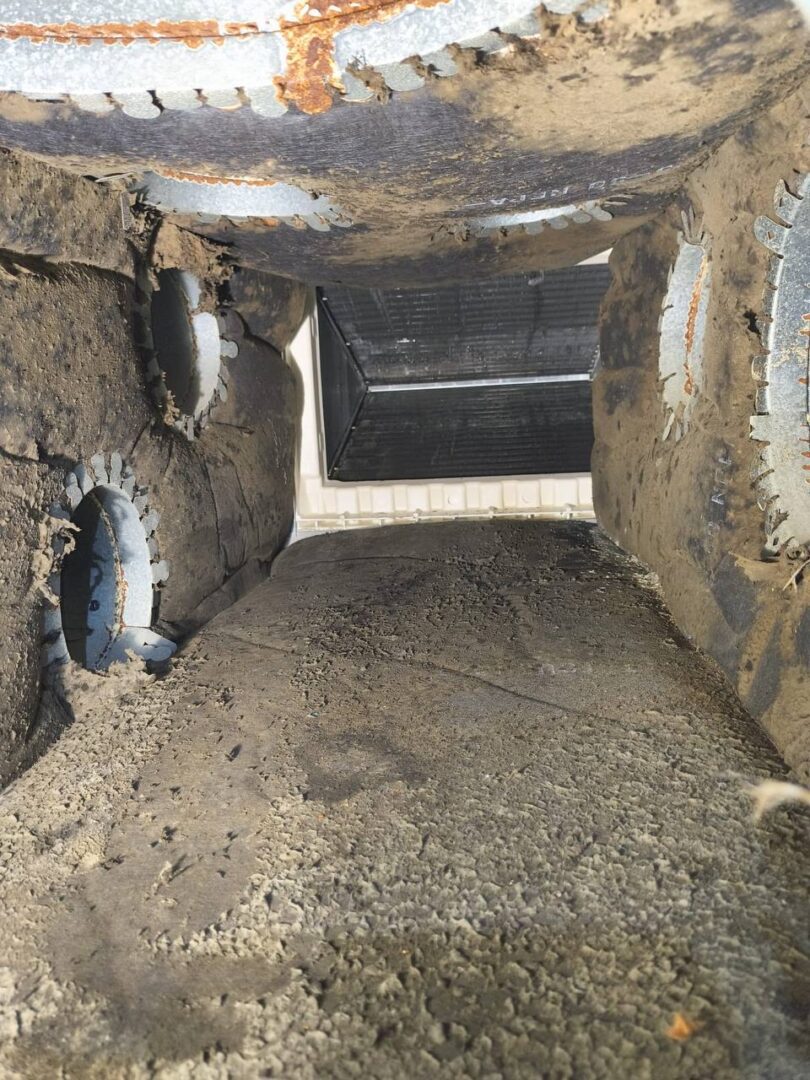
How often you should clean air ducts in Austin depends on factors that don’t apply in most U.S. cities. The standard advice — every 3 to 5 years — was written for climates without Austin’s 11-month pollen calendar, back-to-back cedar and oak seasons, and year-round HVAC operation. For Austin homeowners, the honest answer is: it depends on your specific situation, but the typical interval is shorter here, and spring is the highest-impact window to act.
Why the Generic “Every 3–5 Years” Answer Doesn’t Apply to Austin
The 3-to-5-year recommendation comes from NADCA’s general guidance for average U.S. climates. Austin is not an average U.S. climate for HVAC accumulation:
- Pollen season runs January through November — mountain cedar from December through February, oak from March through April, grass from May through June, ragweed from August through November. There is no meaningful off-season during which your HVAC system can recover.
- Cedar and oak are back-to-back severe seasons — by the time oak pollen peaks in late March, your system has already run through the full cedar season. The accumulation is compounding, not resetting.
- HVAC runs year-round — Austin summers require cooling from April through October; winters require heating from November through February. The system rarely sits idle. More run time means more particles pulled through the system and more accumulation on blower wheel fins and duct surfaces.
- Spring rains introduce humidity — March and April rain events deposit moisture onto pollen-coated duct surfaces, creating conditions for biological growth that compounds the contamination load before summer’s sustained humidity arrives.
In a dry climate with a defined 3-month allergy season, 3 to 5 years between cleanings may be reasonable. In Austin, with its compounding cedar-to-oak accumulation and year-round operation, many NADCA-certified professionals recommend a 2-to-3-year interval for homes without aggravating factors — and more frequent cleaning for homes with allergy-sensitive occupants, pets, or recent renovations.
What Factors Shorten the Interval for Austin Homeowners?
These conditions move an Austin home toward the shorter end of the cleaning interval:
- Allergy or asthma in the household — Children and adults with documented sensitivities are cycling the accumulated cedar and oak residue at higher exposure per run cycle. Many Austin allergy-sensitive households find a 2-year interval appropriate.
- Pets — Pet dander and hair accelerate duct and blower wheel contamination independent of seasonal pollen. Homes with multiple pets or heavy shedders accumulate faster than pollen alone would predict.
- Recent renovation or construction — Drywall dust, sawdust, and construction debris infiltrate duct systems faster than pollen. A cleaning after any significant renovation is warranted regardless of when the last one was performed.
- Visible debris at registers — If you can see particles or debris at supply registers when the system runs, accumulation has passed a threshold that warrants cleaning now regardless of the calendar interval.
- Musty odor when system runs — A musty smell specifically when the HVAC cycles on points to biological growth on interior surfaces — a condition that warrants inspection regardless of cleaning history.
Why Spring Is the Highest-Impact Window in Austin
If you are going to clean your Austin HVAC ductwork once in the next several years, spring — specifically March through May — is the optimal window. Here’s why the timing matters:
By late March, your system has accumulated the full cedar season (December through February) plus the first weeks of oak pollen season. That is the annual accumulation peak — the highest-contamination point of the year. Summer arrives in April and May, bringing sustained HVAC run cycles of 12 to 16 hours per day. Cleaning in the spring window removes the peak annual load before the system distributes it at summer intensity.
Cleaning after summer — in September or October — removes summer accumulation but misses the peak spring window. Cleaning in January catches post-fall ragweed but misses cedar and oak. Spring is the single highest-impact timing for an Austin residential cleaning.
Related: Is duct cleaning worth it in Austin TX during spring allergy season? | Austin’s oak pollen season is peaking — here’s what it’s doing to your HVAC
What a Complete Austin Duct Cleaning Actually Covers
The frequency question is only meaningful if the cleaning being done is thorough. A vent vacuuming — the most common low-standard service — addresses only the accessible register area and does not reach the blower wheel, air handler interior, or duct walls where seasonal pollen accumulation concentrates most heavily.
AH-CHOO! Indoor Air Quality has been NADCA certified for 38 years and serves the Austin area. A complete residential service covers all supply and return ductwork, the blower wheel and air handler interior, the evaporator coil area, and all registers and grilles — approximately seven hours for a full residential system. One job per day. That is what a cleaning interval question is actually asking about: how often to do the thorough work, not how often to run a vacuum over the accessible vents.
Also see: What NADCA certified air duct cleaning actually means in Austin, TX
Frequently Asked Questions
How often should Austin homeowners clean their air ducts?
For most Austin homes, a 2-to-3-year interval is more appropriate than the generic 3-to-5-year recommendation — because Austin’s 11-month pollen calendar, back-to-back cedar and oak seasons, and year-round HVAC operation accumulate contamination faster than in most U.S. cities. Homes with allergy-sensitive occupants, pets, or recent renovations may warrant annual or biennial cleaning.
When is the best time of year to clean air ducts in Austin?
Spring — March through May — is the optimal window. By late March, Austin HVAC systems have accumulated the full cedar season plus the first weeks of oak pollen, representing the annual contamination peak. Cleaning in this window removes that peak load before summer’s sustained 12-to-16-hour daily run cycles begin distributing it through the home.
Does Austin’s cedar fever season affect how often you need duct cleaning?
Yes, significantly. Cedar pollen season (December through February) deposits fine, sticky particles on blower wheel fins and duct surfaces. When oak season follows immediately in March and April, the new pollen accumulates on top of existing cedar residue rather than on clean surfaces — compounding the load in a way that single-season climates don’t experience. This cedar-to-oak compound buildup is a specific argument for shorter cleaning intervals in Austin compared to national averages.
What are signs that Austin homeowners need duct cleaning sooner than scheduled?
Act sooner if: (1) you see visible debris or particles coming from registers when the system runs, (2) there is a musty odor specifically when the HVAC cycles on, (3) allergy or asthma symptoms worsen indoors during cedar or oak season despite outdoor avoidance, (4) you’ve had renovation or construction work since the last cleaning, (5) pets have been added to the household. These conditions accelerate accumulation independent of the standard interval.
Is it worth cleaning Austin air ducts every year?
For most homes without aggravating factors, annual cleaning is more frequent than necessary. For Austin households with documented allergy or asthma sensitivities, multiple pets, or a history of renovation, annual cleaning during the spring peak window may be appropriate. A free inspection confirms whether your system’s current buildup warrants cleaning now or whether you can defer. Contact us for a free inspection.
AH-CHOO! Indoor Air Quality is NADCA certified and serves the Austin area. Contact us for a free inspection.
Related AH-CHOO resources: Austin air duct cleaning; schedule a free inspection.