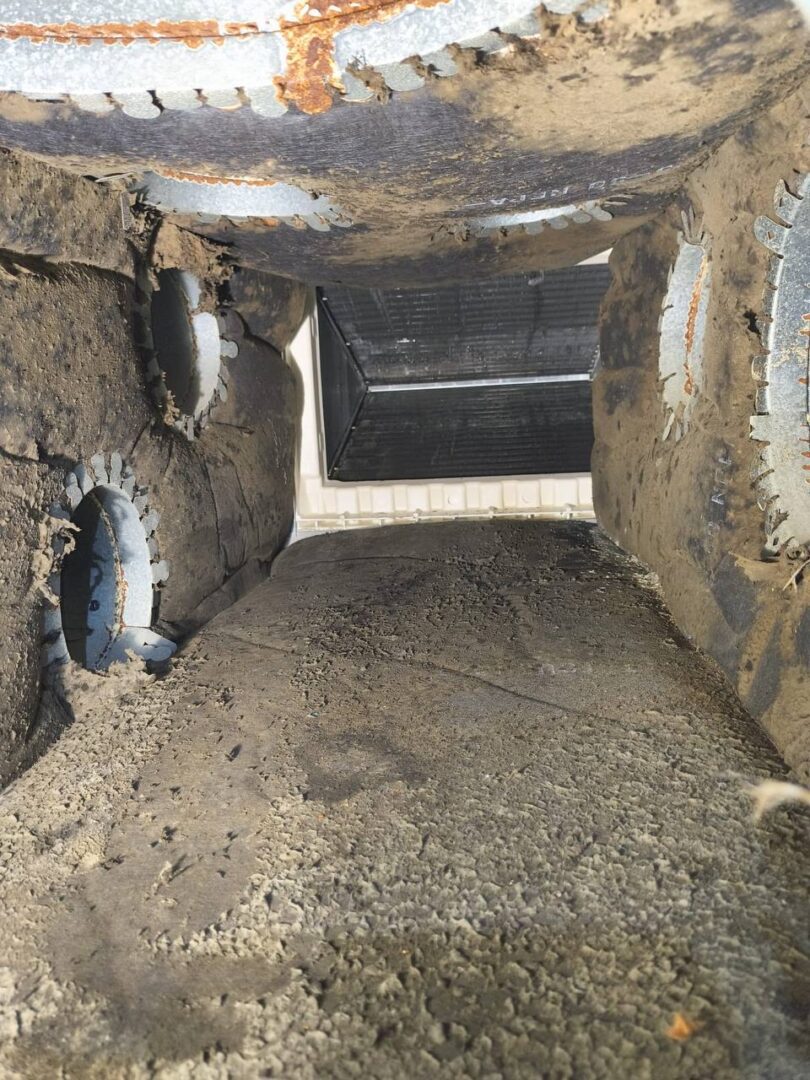
Austin oak pollen is at or near its highest point of the 2026 season this week, and your HVAC system is pulling every particle of it through your ductwork every time the fan runs. During the late March to early April peak window in Central Texas, pollen that enters through gaps, returns, and supply registers accumulates inside duct walls — cycling back into your living space with each run cycle.
Why Late March and April Are Austin’s Worst Weeks for HVAC Pollen Load
Austin’s allergy calendar doesn’t give HVAC systems a recovery window. Cedar pollen dominates December through February — then oak takes over in March and holds through April. Grass pollen follows in May. By the time oak reaches its seasonal peak, your ductwork has already been under pressure for three consecutive months.
The Austin-Statesman reported on March 18, 2026 that “oak pollen levels in Central Texas are set to rise over the next few days, reaching some of the highest counts of the season so far.” KXAN’s allergy forecast consistently marks late March to early April as the peak window for oak in Central Texas.
What that means for your HVAC:
- Every time your system kicks on during peak pollen hours, it draws outdoor air through any unsealed gaps in the return system
- Pollen deposited on supply registers and inside duct walls re-circulates on subsequent run cycles
- During peak weeks, air handlers may cycle 8–12 times per hour — each cycle redistributing whatever has already settled inside
No other allergy season in Austin puts this kind of sustained volume through a ductwork system.
Why Do Austin Ducts Carry Double the Buildup?
Most Central Texas homeowners are focused on surviving cedar fever — the infamously severe December-through-February cedar pollen season that makes Austin allergists busy through winter. What most don’t think about is what that season left behind in their ducts.
Cedar pollen particles are fine and sticky. They coat blower wheel fins, duct walls, and supply registers during the peak months. When oak season arrives, incoming pollen doesn’t land on clean duct surfaces — it lands on cedar residue that’s already there. The layers compound.
Austin’s pollen season runs January through November — there is no “off-season” for Austin ductwork. By late March, a system that hasn’t been professionally cleaned is carrying:
- Cedar pollen residue from December, January, and February
- Early-season oak pollen from the first weeks of March
- Dust and debris disturbed by spring wind events common in Central Texas
- Any mold spores triggered by early spring humidity spikes
That’s not a filter problem. Filters capture some particles in the airstream, but they don’t clean the duct walls, the blower wheel, or the interior surfaces of the air handler where buildup concentrates.
Learn more: What oak pollen does to Austin air ducts in spring | Spring pollen and ozone in Houston homes
What Happens When Oak Pollen Accumulates Inside Austin HVAC Systems?
Pollen that settles inside ductwork doesn’t just stay put. Each time the system cycles, turbulence from the blower re-suspends lighter particles and pushes them into the living space. The result is a cycle: outdoor pollen enters, settles, and then becomes indoor pollen that your system recirculates long after the outdoor count drops.
This is why Austin allergy sufferers often notice their symptoms don’t improve when they stay indoors during peak days. The indoor air is drawing from the same contaminated duct system on every run cycle.
In humid conditions — and Austin’s spring humidity rises significantly in March and April — pollen residue in ducts also creates conditions where mold and bacterial growth can take hold. Pollen carries proteins that serve as a food source for biological growth in moist environments. Duct cleaning removes both the pollen load and the biological substrate it creates.
Signs Your Austin HVAC Is Struggling With Peak Pollen Season
Not every sign of duct pollen accumulation is obvious. Watch for:
- Allergy symptoms that are worse indoors than outside — the system is recirculating what’s already in the ducts
- Visible dust or debris on supply registers — a surface indicator of what’s inside
- Reduced airflow from vents — buildup on the blower wheel reduces output volume
- Musty or stale odor when the system first kicks on — biological growth triggered by pollen residue and spring humidity
- Filter that’s clogging faster than usual — high ambient pollen load
If any of these are present during peak oak season, the duct system itself — not just the filter — is part of what’s degrading your indoor air.
What a Full-System Clean Actually Covers
A NADCA-standard duct cleaning is not a vent vacuuming. It’s a full interior system service.
AH-CHOO! Indoor Air Quality has been NADCA certified for 38 years. Every Austin job is a dedicated full-day service — approximately seven hours — covering:
- All supply and return ductwork
- The air handler and blower wheel (where pollen accumulation is heaviest)
- Evaporator coil area
- Registers and grilles
One job per day. That’s not a production constraint — it’s a quality standard. Rushing a duct cleaning to fit three jobs into a day’s schedule is how buildup gets left behind in bends, corners, and the mechanical components that matter most.
If you’ve been through cedar fever season in Austin and haven’t had your ductwork professionally cleaned, oak pollen peak week is the highest-urgency point on the calendar to do it. The system is about to work harder than at any other point this spring.
Also see: Blower wheel cleaning — what it is and why it matters
Frequently Asked Questions
When is Austin oak pollen at its worst?
Oak pollen in Austin typically peaks between late March and early April, according to KXAN’s allergy tracking data. The Austin-Statesman reported on March 18, 2026 that counts are rising toward seasonal highs. This is the highest-load window of the year for oak pollen in your HVAC system.
How does oak pollen get inside air ducts?
Pollen enters through return air grilles, gaps in duct connections, and any point where outdoor air mixes with the indoor air stream. Once inside, it settles on duct walls, blower wheel fins, and the air handler interior — and gets re-suspended each time the system cycles.
Can my ductwork actually circulate oak pollen through my house?
Yes. Pollen that settles inside ducts doesn’t stay settled. Airflow turbulence from each run cycle re-suspends lighter particles, which then travel through the supply side and into your living space. This is why indoor allergy symptoms often persist even on days when homeowners stay inside.
What does cedar fever season do to Austin ducts before oak season starts?
Cedar pollen (December through February) leaves fine, sticky residue on interior duct surfaces and blower wheel fins. When oak season arrives, incoming pollen accumulates on top of existing cedar residue rather than on clean surfaces — creating compound buildup that filters alone can’t address.
When should Austin homeowners schedule duct cleaning relative to peak pollen season?
Before the peak, if possible — but during peak is still effective. Cleaning removes the current season’s accumulation before it concentrates into biological growth over the summer. A free inspection can confirm what’s actually inside the system.
AH-CHOO! Indoor Air Quality is NADCA certified and serves the Greater Austin area. Contact us for a free inspection.
Related AH-CHOO resources: Austin air duct cleaning; schedule a free inspection.