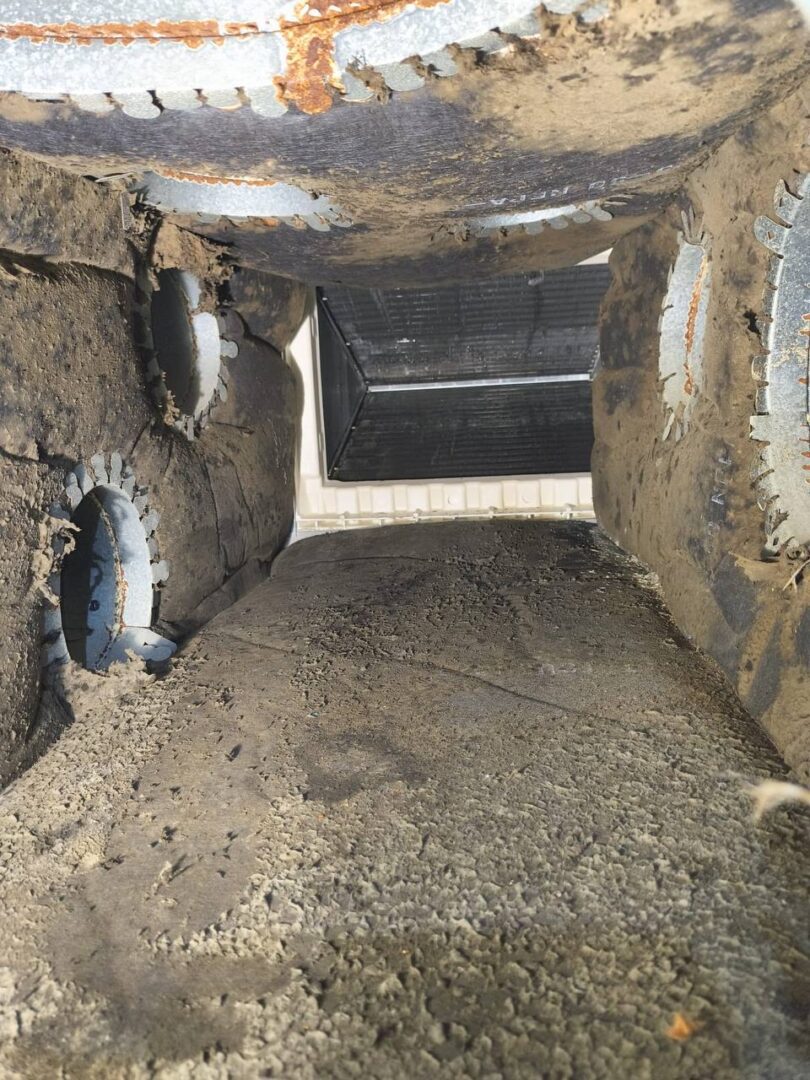
Mold in air ducts is one of the most common indoor air quality threats Houston homeowners face, yet many don’t recognize the warning signs until the problem becomes serious. The warm, humid climate of the Gulf Coast creates the perfect environment for mold growth inside HVAC systems, especially during the rainy season or after water damage events. If you’ve noticed musty odors, respiratory issues, or visible dust buildup in your home, mold in your air ducts may be the culprit.
## Visual Signs of Mold in Air Ducts
The most obvious indicator of mold in air ducts is visible growth inside the ductwork itself. If you can safely access your ducts (typically near return air intakes or at the HVAC unit), look for black, green, or brown patches on the interior duct surfaces. Mold may appear fuzzy or slimy, depending on moisture levels and the type of mold species present.
However, most of your ductwork runs inside walls and attics where you can’t see it directly. That’s why knowing secondary warning signs is critical. Check your air vents and registers for discoloration around the grilles—any dark staining that looks like it’s emanating from inside the duct is a red flag. Similarly, if the insulation surrounding exposed ducts shows water stains, discoloration, or a fuzzy appearance, mold is likely growing on the duct surfaces beneath.
## Odor: The Most Reliable Indicator
One of the most telling signs of mold in air ducts is a persistent musty or earthy odor coming from your vents. This smell intensifies when your HVAC system is running and air is being forced through contaminated ducts. Houston’s humidity amplifies this issue—once mold establishes itself in ductwork, it produces volatile organic compounds (VOCs) that circulate throughout your home.
If the musty smell appears suddenly or gets worse during humid months, that’s a strong indicator of active mold growth. Don’t ignore this—mold odor indicates the colony is large enough to be releasing spores into your living spaces.
## Respiratory and Allergy Symptoms
Mold spores released through contaminated air ducts trigger respiratory issues in household members. You may notice:
– Increased coughing, especially when the HVAC system runs
– Unexplained sneezing fits or nasal congestion
– Itchy, watery eyes
– Persistent sinusitis or sinus drainage
– Asthma flare-ups in household members with existing asthma
– Wheezing or shortness of breath
These symptoms often worsen during humid months when mold actively grows. If your family’s allergies seem to spike indoors (contrary to outdoor pollen seasons), and the symptoms correlate with HVAC system operation, mold in ducts is a likely cause.
## Moisture Buildup and Condensation
Houston’s humidity is relentless, especially during summer and after heavy rain. When air ducts aren’t properly insulated or sealed, condensation forms inside them, creating a breeding ground for mold. Look for signs of moisture around your HVAC unit, return air intakes, or visible ductwork in basements, crawlspaces, or attics.
Water stains on drywall near ductwork are another warning sign—they indicate moisture is escaping or backing up from the ducts themselves. If you’ve recently experienced flooding or water damage, inspect your HVAC system immediately. Water intrusion accelerates mold colonization dramatically.
## After-Flood Risk in Houston Area
For Houston homeowners with a history of flooding (whether from recent hurricanes or routine heavy rains), mold in air ducts is nearly inevitable if the HVAC system wasn’t professionally cleaned afterward. Floodwater contains bacteria and organic material that promotes aggressive mold growth inside ducts. Even if water didn’t directly enter the unit, high humidity levels after flooding create the conditions for mold to flourish within weeks.
## Dusty or Debris-Filled Vents
Excessive dust, fibers, or debris ejected from your vents is another sign of duct contamination. Mold-infested ducts often deteriorate internally, breaking down duct lining and insulation. This debris circulates throughout your home, worsening indoor air quality further.
## Don’t Wait—Professional Inspection Is Essential
These signs indicate a problem that requires professional diagnosis. A visual inspection alone isn’t sufficient because much of your ductwork is hidden from view. AH-CHOO! Indoor Air Quality offers comprehensive air duct inspections to identify mold and other contaminants.
With 38 years of experience and NADCA certification, AH-CHOO! performs a rigorous, complete inspection before recommending any remediation. Every job includes before-and-after documentation so you can see exactly what was removed from your system. The full system cleaning takes 7 hours and is performed by certified technicians trained to recognize mold at all stages of growth.
If mold is detected, AH-CHOO! uses industry-standard removal techniques and can recommend follow-up treatments like antimicrobial sealing to prevent recurrence—critical in Houston’s humid climate.
## Prevention Tips
While professional cleaning is the most reliable solution, you can reduce mold risk:
– Maintain HVAC filters monthly (clogged filters trap moisture)
– Ensure proper duct insulation and sealing
– Keep indoor humidity below 60% with dehumidifiers during humid months
– Have HVAC systems inspected annually, especially in flood-prone areas
– Address water damage immediately—don’t wait
## Take Action Today
Mold in air ducts isn’t a problem you can ignore, and it won’t resolve on its own. The longer contaminated ducts circulate spores through your home, the greater the risk to your family’s health and your HVAC system’s longevity.
If you’ve noticed any of these warning signs, schedule a free inspection with AH-CHOO! Indoor Air Quality. We’ll assess your ductwork, identify contaminants, and provide a clear path forward to cleaner, healthier indoor air.
Houston’s poor outdoor air quality is one reason mold takes hold so readily — see our guide to Houston’s air quality ranking and your ducts for the full context.
Related: why Houston spring rain increases HVAC mold risk | what blower wheel cleaning covers | free inspection
Learn more about mold remediation services in Houston.
Related AH-CHOO resources: Houston air duct cleaning; schedule a free inspection.