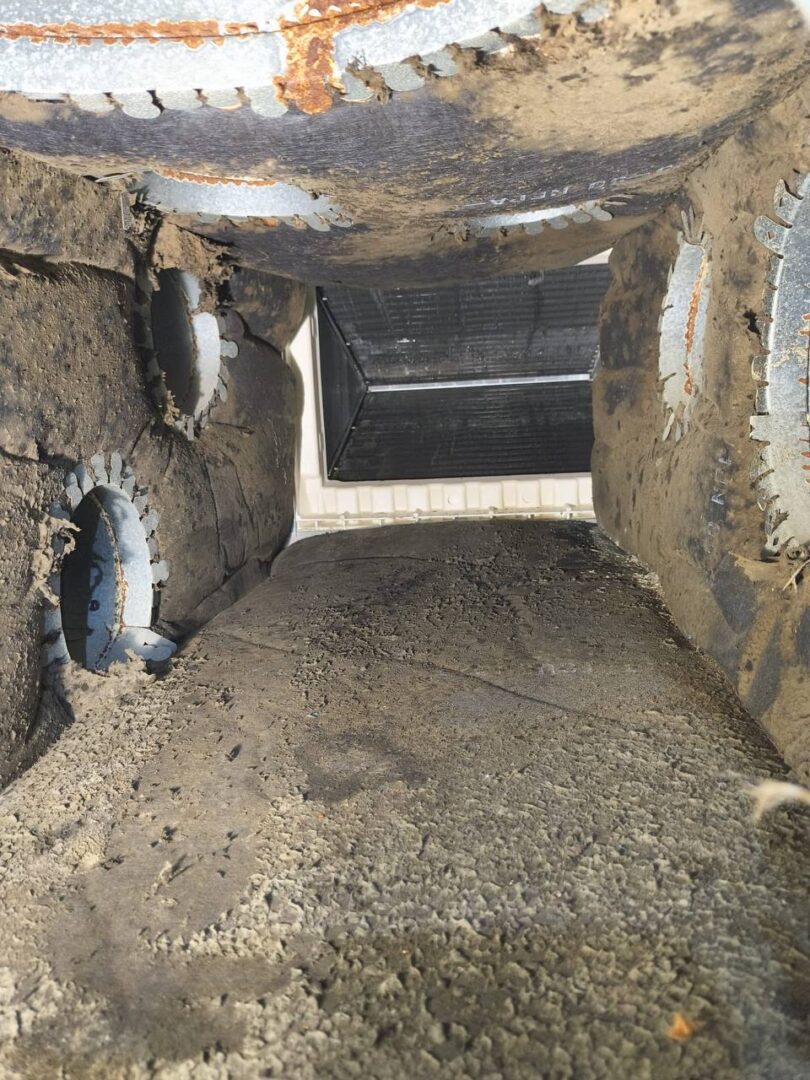
Why Is My House So Dusty? Causes and Air Duct Solutions
If you find yourself wiping down surfaces every few days and still seeing dust settle on furniture within hours, you are not alone. Household dust is one of the most common — and most frustrating — indoor complaints homeowners face. While no home can be completely dust-free, understanding why your house is so dusty is the first step toward solving the problem. And in many cases, the answer is hiding inside your air ducts.
Where Does All That Dust Come From?
Household dust is not one single substance. It is a complex mixture that includes dead skin cells, pet dander, carpet and upholstery fibers, tracked-in soil, pollen, insect particles, and microscopic debris from everyday activities. In fact, a significant portion of indoor dust originates from outdoors — entering through open windows, doors, and on the soles of shoes — and then circulates through your home’s air handling system.
The average home generates approximately 40 pounds of dust per year in a typical six-room house. Much of that dust gets pulled into the HVAC return vents, where it moves through the system and either gets trapped in the filter or settles inside the ductwork. Once it settles inside the ducts, it becomes a reservoir that continuously releases particles back into your living spaces each time the system cycles on.
The Air Duct Connection: Your Hidden Dust Reservoir
Your home’s ductwork acts as the respiratory system of the house. Air circulates through the ducts dozens of times each day during heating and cooling cycles. Over months and years, dust, debris, pet hair, and other particles accumulate along the interior walls of the ductwork — especially in bends, junctions, and horizontal runs where airflow slows and particles settle.
Here is what happens inside dirty air ducts:
- Dust buildup becomes a continuous source. Each time the blower fan activates, it dislodges accumulated dust and pushes it through the supply vents into your rooms. You see the result as a fresh layer of dust on surfaces within hours of cleaning.
- Your HVAC filter can only do so much. Standard one-inch filters are designed to protect the equipment, not to deep-clean your air. They catch larger particles but allow finer dust to pass through and settle in the ducts downstream.
- Return ducts pull in new dust constantly. Dust from floors, pet areas, and high-traffic zones gets drawn into return grilles and deposited inside the return ductwork, where it accumulates away from the filter entirely.
- Humidity makes it worse. In regions with high humidity — including the Gulf Coast, Southeast Texas, and Louisiana — moisture inside ductwork can cause dust to adhere to duct surfaces, forming a stubborn layer that standard air circulation will not dislodge.
The connection is straightforward: the dirtier your air ducts, the more dust you will find circulating throughout your home. If dust reappears on furniture just days after a thorough cleaning, your ductwork is the most likely culprit.
Other Common Causes of a Dusty Home
While air ducts are often the primary source, several other factors contribute to excessive household dust. Understanding all of them helps you address the full picture.
Leaky or Unsealed Ductwork
Gaps, cracks, and poorly sealed joints in your duct system do more than waste energy — they pull unfiltered air from attics, crawl spaces, and wall cavities directly into your ductwork. This air carries insulation fibers, construction debris, and settled dust from unconditioned spaces. Even a small leak in a return duct can introduce significant amounts of particulate matter into your home’s air circulation.
Insufficient or Clogged HVAC Filters
HVAC filters need regular replacement to function effectively. A clogged filter not only restricts airflow and strains your system but also allows more particles to bypass the filter media entirely. Most manufacturers recommend replacing standard one-inch filters every 30 to 90 days, but homes with pets, high pollen seasons, or recent renovation work may need monthly changes.
Outdoor Sources
Pollen, road dust, construction debris, and everyday soil enter the home on shoes, through open doors, and through window screens. Homes near busy roads, agricultural land, or active construction sites accumulate dust more rapidly. In Texas and Louisiana, seasonal pollen from oak, cedar, pine, and ragweed adds to the indoor dust load during spring and fall allergy seasons.
Pets and Pet Dander
Dogs and cats shed skin cells (dander), hair, and fur constantly. These lightweight particles become airborne easily and circulate throughout the home. In multi-pet households, the dust load can be two to three times higher than in pet-free homes. Pet dander is also a common allergen that triggers respiratory symptoms in sensitive individuals.
Carpeting, Upholstery, and Soft Furnishings
Carpets act as dust reservoirs, trapping particles deep within their fibers and releasing them when disturbed by foot traffic. Older carpets, in particular, can harbor years of accumulated dust, dust mites, and allergens. Upholstered furniture, curtains, and throw pillows also shed fibers and collect dust over time.
Household Activities
Cooking, especially frying and high-heat methods, releases airborne grease particles that settle as sticky dust on surfaces. Burning candles, using fireplaces, and even running paper shredders or printers adds to the indoor particulate load. Renovation work — sanding drywall, cutting wood, removing flooring — generates construction dust that can linger in the air and settle inside ductwork for months after the project is complete.
How Professional Air Duct Cleaning Reduces Household Dust
When your air ducts are clean, your entire home stays cleaner. Here is how professional air duct cleaning directly reduces the dust problem:
- Removes the dust reservoir. Powerful negative-air equipment and rotary brush systems physically extract years of accumulated dust, debris, and particulate buildup from every section of your ductwork — supply ducts, return ducts, main trunk lines, and branch runs.
- Cleans all system components. A thorough cleaning includes the supply and return plenums, blower motor and housing, evaporator coil, drain pan, and all register covers. When these components are clean, they stop shedding particles back into the airstream.
- Reduces recirculation. After professional duct cleaning, the air circulating through your HVAC system carries significantly less particulate matter. This means less dust settles on furniture, floors, and surfaces — and you spend less time cleaning.
- Improves HVAC efficiency. Clean ducts and components allow air to move freely through the system, which can improve HVAC efficiency and reduce strain on the equipment. A system that runs efficiently with clean components is less likely to pull dust from unconditioned spaces due to pressure imbalances.
The National Air Duct Cleaners Association (NADCA) recommends having your air ducts professionally inspected every one to two years and cleaned as needed based on visible buildup, allergy symptoms, or after events like renovations, water damage, or moving into a previously occupied home.
Simple Steps to Keep Dust Under Control Between Cleanings
While professional air duct cleaning addresses the root cause, these everyday practices help reduce dust accumulation between service visits:
Change Your HVAC Filter on Schedule
Mark your calendar for filter changes every 30 to 60 days during heavy-use seasons. Consider upgrading to a higher-MERV filter (MERV 8 to 11) if your system is compatible — these capture finer particles without restricting airflow excessively. Always check your system specifications before upgrading, as overly restrictive filters can damage the blower motor.
Vacuum with a HEPA-Filtered Vacuum
Standard vacuums can exhaust fine dust back into the air through their filters. A vacuum with a true HEPA filter captures particles as small as 0.3 microns, preventing recirculation. Vacuum carpets, rugs, and upholstery at least twice a week, and pay special attention to high-traffic zones and areas near return vents.
Use Doormats and a No-Shoes Policy
Place heavy-duty doormats at all exterior entrances and encourage family members and guests to remove shoes indoors. Studies show that up to 85 percent of tracked-in soil and particulate matter can be stopped at the entryway with effective matting and shoe removal.
Groom Pets Regularly
Brush dogs and cats outdoors when possible to reduce the amount of dander and fur that circulates indoors. Bathe pets on a regular schedule to control shedding, and wash pet bedding frequently.
Control Indoor Humidity
Keep indoor relative humidity between 30 and 50 percent. In humid climates like Houston, Austin, San Antonio, and throughout the Gulf South, running a dehumidifier or ensuring your HVAC system includes proper humidity control helps prevent dust from adhering to duct surfaces. It also discourages dust mites, which thrive in humidity above 50 percent.
Seal Air Leaks Around the Home
Check weatherstripping around doors and windows, seal gaps around pipes and electrical penetrations, and ensure attic access hatches close tightly. Reducing outdoor air infiltration cuts down on the volume of pollen, soil, and outdoor pollutants entering your home.
Frequently Asked Questions About Household Dust
Why does dust come back so quickly after I clean?
Rapid dust reappearance is one of the clearest signs your air ducts need cleaning. When your ductwork contains accumulated dust, each HVAC cycle pushes a fresh supply of particles into your rooms. If you find yourself dusting the same surfaces every two or three days, the dust is almost certainly being supplied by your air handling system rather than settling from external sources.
Can dirty air ducts make allergies worse?
Yes. Dust inside ductwork often contains pollen, pet dander, dust mite debris, and mold spores — all common seasonal allergy triggers. Each time the HVAC system runs, these allergens circulate through the home. People with dust mite allergies, in particular, often notice symptom improvement after professional duct cleaning removes accumulated household dust from the system.
How often should air ducts be professionally cleaned?
NADCA recommends inspection every one to two years, with cleaning performed when visible dust buildup, debris, or mold is present inside the ductwork. Homes with pets, allergy sufferers, smokers, recent renovation work, or in high-pollen regions may benefit from more frequent cleaning. A professional inspection can determine whether your ducts have reached the point where cleaning is warranted.
Does the type of HVAC filter I use affect household dust?
Absolutely. Standard fiberglass filters (MERV 1 to 4) capture only the largest particles and are designed primarily to protect the equipment. Pleated filters with MERV ratings of 8 to 11 capture a much higher percentage of fine dust, pollen, and pet dander. However, the most important factor is regular replacement — even the best filter cannot function properly when clogged.
Is household dust harmful?
For most people, household dust is an annoyance rather than a health hazard. However, dust can contain allergens, bacteria, and chemical residues from household products and outdoor sources. People with asthma, allergies, or other respiratory conditions may experience increased symptoms in dustier environments. Reducing household dust through residential air duct cleaning and regular housekeeping is a practical step toward a cleaner, more comfortable indoor environment.
If your home seems perpetually dusty no matter how often you clean, the solution may be hiding in the one place you rarely inspect — your air ducts. A professional duct cleaning removes the hidden dust reservoir, helping you enjoy a noticeably cleaner home with less effort.