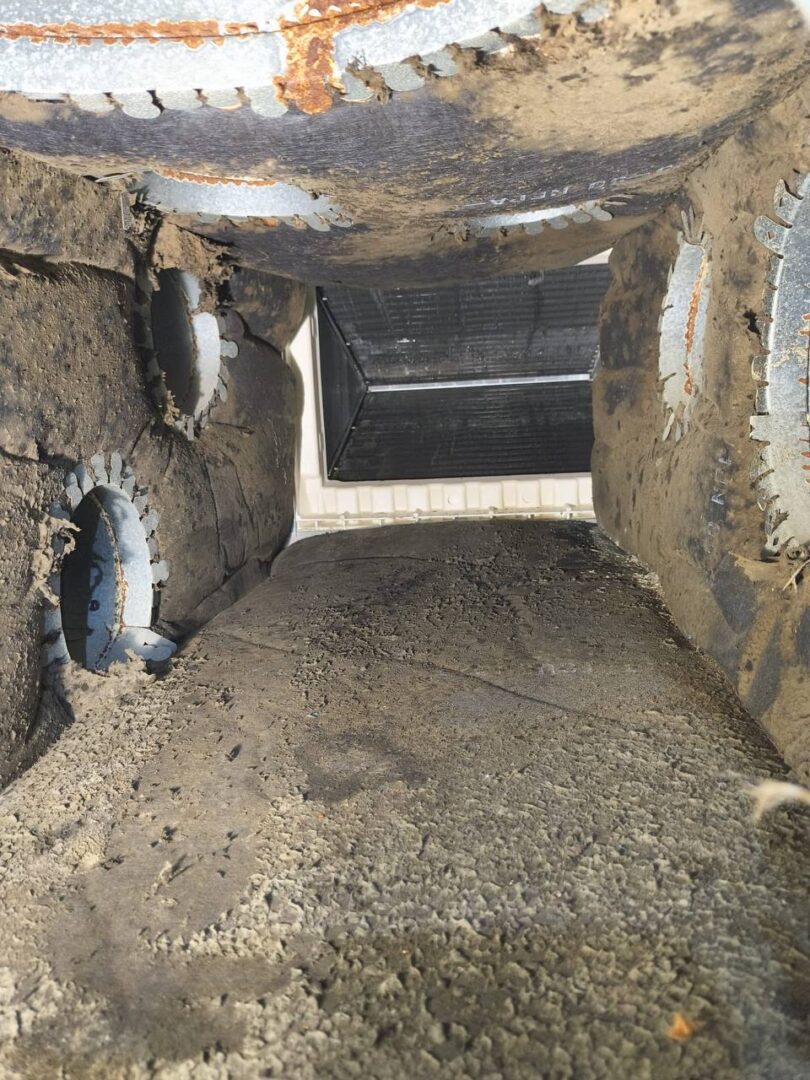
# How to Tell if Your Air Ducts Need Cleaning: The Signs Houston Homeowners Should Never Ignore
Most Houston homeowners have never thought about what’s inside their ductwork. The ductwork is hidden — inside walls, above ceilings, in attics and crawlspaces — which means the contamination accumulating inside it is invisible. But invisible doesn’t mean unimportant. The contamination inside your ductwork is affecting your comfort, your energy bills, and potentially your family’s health every day your HVAC system operates.
This guide gives you the specific signs that indicate your ductwork needs professional cleaning — signs that are particularly relevant to Houston’s climate and housing stock.
## The Most Reliable Signs Your Ducts Need Cleaning
**You’ve never had professional duct cleaning.**
If you’ve owned your home for more than 3 years and never had the ductwork professionally cleaned, contamination has almost certainly accumulated to levels that affect system performance. This is especially true in Houston’s climate, where humidity accelerates biological growth inside sealed ductwork year-round. The absence of professional cleaning isn’t a badge of honor — it’s an indicator that your system is likely operating below its designed efficiency.
**You can see or smell dust when walking past supply vents.**
If dust is visible around supply vents or if you can smell dust when walking past them when the system starts, your ductwork is contaminated. This isn’t normal “settling dust” — it’s material that’s accumulated inside the duct system over months or years. When you see dust coming from vents, what you’re seeing is the tip of an iceberg. For every visible dust particle, there are thousands more that are too small to see, circulating through your living spaces.
**The air smells stale or musty when the system first starts each season.**
A persistent stale or musty smell when the AC first turns on is a strong indicator of biological contamination inside the ductwork — mold, dust mites, or bacterial growth that has accumulated on interior surfaces. Many Houston homeowners attribute this to “old house smell” or “normal mustiness” — it’s not. It’s contaminated ductwork. The smell is worst in the morning because the system has been running all night, circulating whatever has accumulated inside the ductwork through every room.
**Some rooms cool significantly slower than others.**
Uneven cooling is one of the most common signs of restricted airflow from contaminated ductwork. When supply ducts are restricted by accumulated debris, some rooms receive less cool air than others. This is often misdiagnosed as a system capacity issue when the real cause is ductwork contamination. In multi-story homes, the second floor often runs warmer because the duct runs are longer and more prone to accumulation.
**Your energy bills are higher than neighbors with similar homes.**
If your electricity bills are noticeably higher than neighbors with similarly sized homes and similar usage patterns, contaminated ductwork may be forcing your system to work harder. The EPA estimates that contaminated HVAC components can reduce system efficiency by 15-25%. In Houston’s 8-10 month cooling season, that inefficiency compounds significantly.
**You can see dark discoloration inside return grilles.**
Open a return air grille and look inside. If you see a visible layer of dust, debris, or dark discoloration on the interior surfaces, your ductwork needs cleaning. This visible evidence is the most reliable indicator that contamination has accumulated to significant levels. The return grille is just the entry point — what you can see there is a fraction of what’s accumulated throughout the entire duct system.
**You’ve had water damage or flooding.**
Any water intrusion event — from roof leaks to plumbing failures to hurricane flooding — should trigger an immediate HVAC inspection. Water inside ductwork creates conditions for rapid mold growth, especially in Houston’s humid climate. Within 24-48 hours of water intrusion, mold can begin colonizing inside sealed ductwork.
**You have pets and haven’t had ducts cleaned in over 2 years.**
Pet hair and dander accumulate inside ductwork at rates significantly faster than standard dust. In Houston’s humidity, pet dander that enters the ductwork absorbs moisture and begins biological breakdown faster than in dryer climates. For multi-pet households, the accumulation rate is even higher.
## Signs That Your Ductwork May Be Affecting Your Family’s Health
**Allergy symptoms improve when away from home.**
If family members notice that allergy or respiratory symptoms improve when traveling, at work, or elsewhere, and return quickly upon coming home, this is a pattern consistent with HVAC-related allergen exposure. The ductwork is circulating whatever has accumulated inside it every time the system runs. This is a different pattern from outdoor pollen exposure, which tends to be more consistent regardless of location.
**Morning congestion or sinus symptoms that clear up by midday.**
Contaminated ductwork that runs overnight while you sleep circulates biological particulates through bedrooms. Many Houston homeowners experience this as morning congestion or sinus headaches that clear up within a few hours of leaving the house. The overnight operation of the system while windows are closed concentrates any biological contaminants that have accumulated in the ductwork.
**Unexplained respiratory symptoms in children or elderly family members.**
Children and elderly family members are most vulnerable to poor indoor air quality. If they experience respiratory symptoms at home that aren’t present elsewhere, the ductwork may be a contributing factor. In particular, elderly family members with asthma or COPD are sensitive to particulate levels in indoor air that wouldn’t affect healthy adults.
**Persistent fatigue that clears up when away.**
Poor indoor air quality affects sleep quality, and contaminated ductwork that runs overnight can affect the quality of sleep in ways that manifest as daytime fatigue. If household members consistently feel more tired at home than elsewhere, the ductwork may be a contributing factor.
## What to Do When You See These Signs
If any of these signs apply to your home, schedule a professional NADCA inspection. A professional inspection documents the actual condition of your ductwork — including photographs of what the technician finds inside accessible portions of the system — so you can make an informed decision about whether cleaning is warranted.
Don’t wait for the problem to get worse. Contaminated ductwork doesn’t improve on its own — it only gets worse as the system continues operating.
AH-CHOO! Indoor Air Quality provides professional NADCA inspections and air duct cleaning for Houston homeowners. Free inspections available. Serving Houston, Austin, San Antonio, and South Louisiana. NADCA certified. Average job time: 7 hours. 8 components cleaned every service. 38 years of experience.
[Schedule Your Houston Duct Cleaning Inspection](https://crm.ahchooindoorair.com/book)
Frequently Asked Questions About Air Duct Cleaning Signs
How can I tell if my air ducts need cleaning?
Look for visible debris at registers, unusual dust buildup around vents, musty odors linked to the HVAC system, reduced airflow, or contamination after construction or water intrusion. These signs support an inspection, but they do not prove that every duct or HVAC component needs cleaning.
Should I clean my air ducts after a home renovation?
An inspection after renovation can identify construction dust or debris that entered the HVAC system. The technician should document affected components and recommend only the work supported by the inspection.
What should I do if water enters the ductwork?
Address the moisture source first, then have the HVAC system and ductwork inspected before normal operation resumes. Cleaning alone is not a substitute for correcting moisture or evaluating damaged materials.
Does every HVAC component need the same service?
No. Supply and return ducts, grilles, coils, blower areas, and other components can have different conditions. An inspection should identify the affected parts instead of assuming the entire system needs identical treatment.
Related AH-CHOO resources: Houston air duct cleaning; schedule a free inspection.