Schertz TX Indoor Air Quality: What Residents Need to Know in 2026
Schertz, Texas — straddling the I-35 corridor between San Antonio and New Braunfels — has experienced rapid growth that brings unique indoor air quality challenges. As master-planned communities rise along the Guadalupe River valley and traffic volumes increase, Schertz homeowners face a combination of outdoor pollutants infiltrating their homes and moisture conditions that affect indoor environments. Understanding these local factors is the first step toward maintaining healthier indoor air for your family.
This guide examines the specific indoor air quality conditions affecting Schertz homes and provides practical solutions tailored to this fast-growing Guadalupe County community.
Five Local Factors Shaping Indoor Air Quality in Schertz
1. I-35 Diesel PM2.5 Infiltration
Interstate 35 is one of the nation’s busiest trucking corridors, and Schertz sits directly along its path. The corridor handles millions of tons of freight annually, generating fine particulate matter (PM2.5) from diesel exhaust that penetrates building envelopes. Homes within half a mile of I-35 experience measurably higher indoor PM2.5 levels, particularly during morning and evening rush hours when truck traffic peaks.
Fine particulates are small enough to bypass the body’s natural defenses and enter the respiratory system. While outdoor air quality alerts typically focus on ozone action days, the chronic PM2.5 exposure from I-35 traffic operates year-round, making HVAC filtration and regular duct maintenance more important for Schertz residents than for homeowners in less-trafficked areas.
2. Randolph AFB Aviation Particulates
Randolph Air Force Base, located minutes from Schertz, generates ultrafine particles from aviation activity — jet fuel combustion, runway operations, and ground support equipment. These particulates are smaller than PM2.5 and can remain airborne longer, settling into ductwork over time. Homes in the flight path zone experience elevated particulate loads that standard HVAC filters may not fully capture.
For Schertz residents near Randolph Boulevard and the base perimeter, upgrading to MERV-11 or MERV-13 filtration and scheduling periodic air duct inspections helps manage this unique particulate source.
3. Rapid Residential Construction Dust
Schertz is one of the fastest-growing communities in Guadalupe County, with multiple master-planned communities under development. Construction activity generates coarse particulate matter (PM10) — drywall dust, concrete particles, and soil fines that become airborne during site work. New homes being built adjacent to established neighborhoods mean construction dust affects existing residents too.
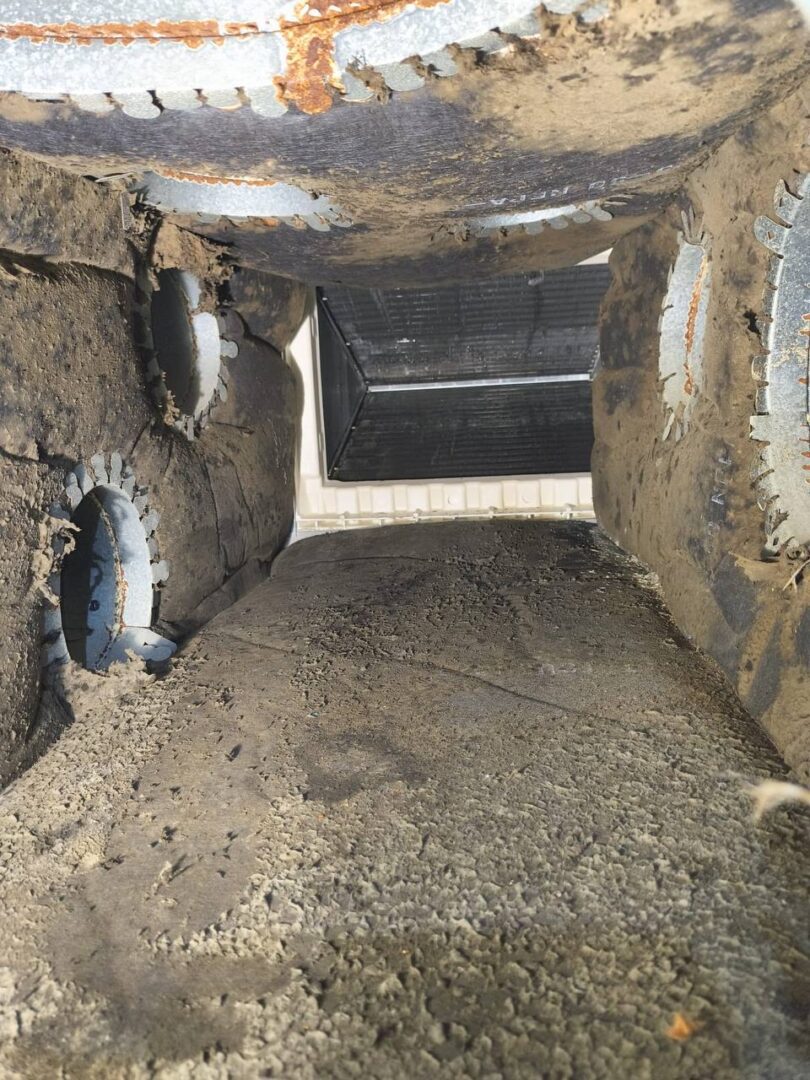
This dust migrates into attic spaces and ductwork through soffit vents, open windows, and HVAC system intakes. New construction zones within a quarter-mile can produce elevated indoor PM10 levels for months at a time, making professional duct cleaning a practical consideration for affected homeowners.
4. Guadalupe River Valley Humidity
Schertz lies in the Guadalupe River floodplain, where the river and its tributaries — including Cibolo Creek — contribute to elevated humidity levels. Higher ambient humidity creates conditions where biological growth can occur inside ductwork if dust and debris are present. The combination of warmth, moisture, and organic particulate matter in ducts supports conditions that affect both indoor air quality and HVAC system efficiency.
Relative humidity in Schertz frequently exceeds 60% during spring and summer months, which is the threshold above which dust mites thrive and mold spores can germinate on suitable surfaces. Managing indoor humidity with proper ventilation and addressing duct contamination are key strategies for Schertz homeowners.
5. Cibolo Creek Moisture and Seasonal Patterns
Cibolo Creek, which runs through the southern portion of Schertz, adds evaporative moisture to the local microclimate. Seasonal fluctuations — particularly the transition from wet spring to hot summer — create a pattern where outdoor humidity peaks, then drops as temperatures rise, drawing moisture into building envelopes through the stack effect. Homes with leaky ductwork or poor attic sealing experience higher moisture intrusion during these transitions.
How Schertz Compares to Other San Antonio Suburbs
While many San Antonio suburbs share Hill Country humidity and construction dust challenges, Schertz is unique in its combination of I-35 trucking corridor exposure and Randolph AFB aviation activity. This dual-transportation particulate load is not present in suburbs like Alamo Heights or Stone Oak. Additionally, Schertz’s position along the Guadalupe River creates a more humid microclimate than higher-elevation suburbs north of San Antonio.
Homeowners moving from central San Antonio or other Texas cities should be aware that Schertz’s air quality factors are distinct from what they may have experienced previously.
Practical IAQ Solutions for Schertz Homeowners
HVAC Filtration Upgrades
Switching from standard fiberglass filters (MERV-1 to MERV-4) to pleated filters rated MERV-11 or higher captures a greater percentage of both coarse and fine particulates. Check your system’s static pressure before upgrading — some residential HVAC units cannot accommodate higher-MERV filters without airflow restriction. A qualified HVAC technician can help determine the best filter for your system.
Regular Air Duct Inspections
The National Air Duct Cleaners Association (NADCA) recommends inspecting air ducts every two to three years, or more frequently if visible contamination, pest intrusion, or unexplained allergy symptoms are present. In Schertz’s construction-heavy environment, annual inspections during active nearby development provide peace of mind and early identification of dust accumulation.
Sealing Duct Leaks
Leaky ductwork in attics and crawl spaces draws in unfiltered air from these unconditioned spaces, bypassing your HVAC system’s filtration. Sealing visible leaks with mastic or UL-181-rated tape — not standard duct tape, which degrades quickly — reduces particulate entry and improves system efficiency. A professional energy audit or duct inspection can identify leak locations using pressure testing.
Indoor Humidity Management
Maintaining indoor relative humidity between 30% and 50% reduces conditions that support biological growth. Portable dehumidifiers in basement or crawl spaces, bathroom exhaust fans vented to the exterior, and proper attic ventilation all help manage moisture loads in Schertz’s Guadalupe Valley climate.
Indoor Air Quality Schertz TX FAQ
What are the main indoor air quality concerns in Schertz TX?
The primary concerns are I-35 diesel PM2.5 infiltration near the highway corridor, Randolph AFB aviation particulates, construction dust from rapid residential development, and elevated humidity from the Guadalupe River valley and Cibolo Creek. Each factor contributes differently depending on your specific neighborhood and proximity to these sources.
How does I-35 traffic affect indoor air quality in Schertz?
Fine diesel particulates from heavy truck traffic along I-35 can infiltrate homes through windows, doors, and HVAC intake vents. Homes within half a mile of the interstate experience higher indoor PM2.5 levels. Upgrading HVAC filtration to MERV-11 or higher and keeping windows closed during peak traffic hours helps reduce infiltration.
Does new construction dust in Schertz affect air ducts?
Yes. Drywall dust, concrete particles, and soil fines from active construction sites enter attic spaces and ductwork through soffit vents and HVAC intakes. Homes within a quarter-mile of active development should consider more frequent duct inspections. If visible dust accumulation is found, professional duct cleaning can restore normal airflow and indoor air quality.
Is Randolph AFB aviation activity a concern for Schertz home air quality?
Aircraft operations generate ultrafine particulates from jet fuel combustion that can accumulate in residential HVAC systems over time. While individual exposure levels are low, the cumulative effect on ductwork in homes near the flight path zone can be significant over years. Periodic duct inspection helps determine whether particulate buildup warrants cleaning.
How often should Schertz homeowners clean their air ducts?
NADCA recommends inspection every two to three years under normal conditions. Schertz homeowners near I-35, active construction zones, or the Randolph AFB flight path may benefit from annual inspections. Signs that inspection is needed include visible dust blowing from vents, unexplained allergy symptoms among household members, or visible mold growth inside ducts or on vent covers.
Getting Professional Help for Schertz IAQ Concerns
AH-CHOO! Indoor Air Quality serves the Schertz community with NADCA-certified air duct inspection and cleaning services. Our technicians understand the specific air quality factors affecting I-35 corridor homes — from diesel particulate management to construction dust remediation. We use professional-grade equipment including HEPA-filtered negative air machines to ensure thorough cleaning without redistributing contaminants.
Schedule a free NADCA inspection to evaluate your home’s ductwork condition. Our assessment covers visible contamination, system integrity, and recommended next steps based on your specific neighborhood and proximity to the unique Schertz IAQ factors discussed in this guide.
Internal links: Air Duct Cleaning Schertz TX | San Antonio Indoor Air Quality Guide | San Antonio Air Duct Cleaning | Contact AH-CHOO!