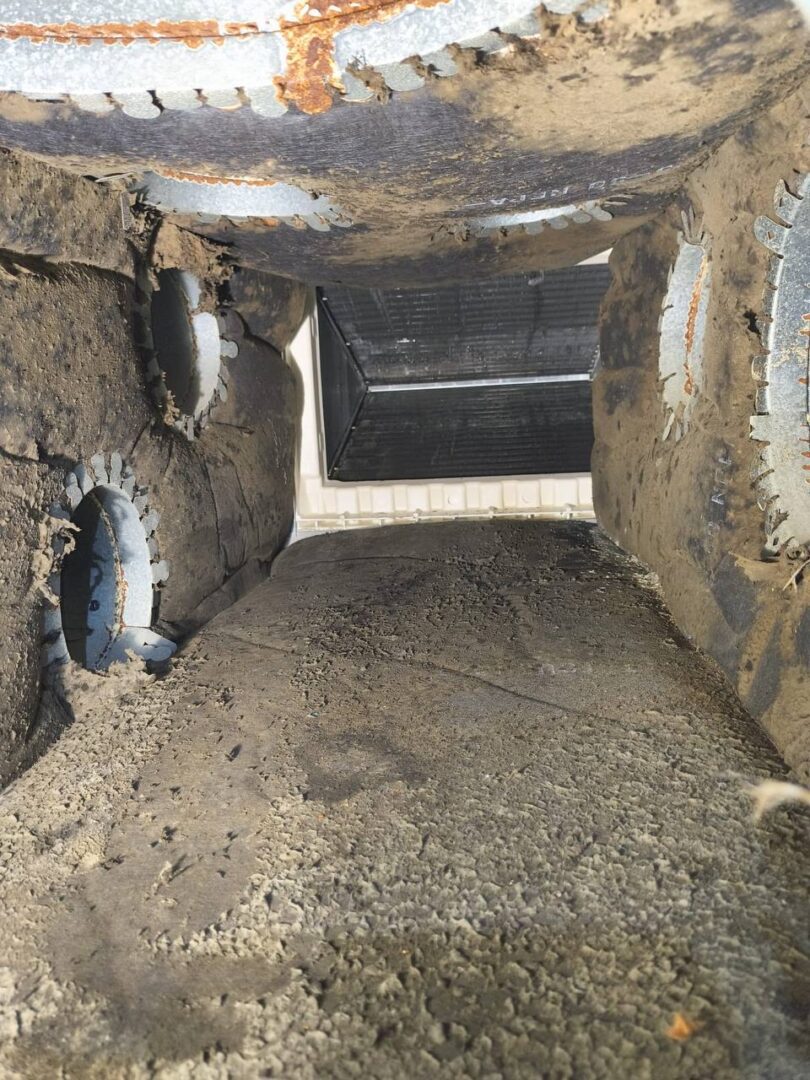
Stone Oak, Texas is San Antonio’s premier master-planned community — a rapidly growing north-side neighborhood of approximately 30,000 residents situated along the US-281 corridor where the South Texas plains meet the Balcones Escarpment and Texas Hill Country. This unique geography, combined with ongoing development, heavy commuter traffic, and the area’s distinctive limestone geology, creates an indoor air quality (IAQ) profile that is unlike any other San Antonio suburb.
Despite having a service page for Stone Oak air duct cleaning and the recently published San Antonio IAQ regional guide, Stone Oak has had no dedicated indoor air quality post until now. This guide fills that gap with a focused look at what makes Stone Oak TX indoor air quality unique and how NADCA-certified air duct cleaning addresses the specific contaminants found in homes across this north-side master-planned community.
What Makes Stone Oak TX Indoor Air Quality Different from Central San Antonio
Stone Oak’s IAQ challenges are rooted in five interconnected factors that differentiate this north-side community from central San Antonio and the I-35 corridor suburbs:
- Rapid development construction dust. Stone Oak continues to expand, with new subdivisions, commercial centers, and infrastructure projects under construction throughout the area. Active construction sites generate PM10 coarse particulates from grading, earthmoving, concrete work, and framing. The Hill Country terrain means many developments require extensive excavation into limestone bedrock, releasing alkaline limestone dust into the air. Stone Oak homes near active construction sites experience PM10 levels that are significantly higher than established neighborhoods with complete build-out. Construction dust settles into HVAC systems through open windows during framing and through return air intakes that draw unfiltered outdoor air.
- US-281 corridor PM2.5. US-281 is Stone Oak’s primary arterial, carrying tens of thousands of commuter vehicles daily between north San Antonio and the suburban communities of Bulverde, Spring Branch, and Blanco. During peak rush hours (6:30-9am southbound, 4-7pm northbound), US-281 experiences significant congestion, with stop-and-go traffic generating elevated PM2.5 emissions from both gasoline and diesel vehicles. Unlike highways with higher truck percentages, US-281’s PM2.5 profile is dominated by gasoline engine exhaust, tire wear particles, and brake dust — a different composition than the diesel-heavy I-35 corridor, but with its own chemical characteristics including benzene, formaldehyde, and heavy metals from brake pad wear.
- Hill Country limestone dust. The Balcones Escarpment runs through the Stone Oak area, with limestone bedrock at or near the surface in many neighborhoods. Limestone is an alkaline sedimentary rock composed primarily of calcium carbonate. When excavated for foundation construction, road building, or utility installation, limestone releases alkaline dust (calcium carbonate particles) that is chemically distinct from the neutral or slightly acidic urban dust found in other parts of San Antonio. This alkaline dust can raise the pH of HVAC duct surfaces, potentially affecting microbial growth patterns and creating a different indoor particulate chemistry than homes on neutral soil.
- Zoned HVAC complexity. Many Stone Oak homes feature multi-zone HVAC systems designed to manage the area’s varied floor plans — two-story homes with bonus rooms, media rooms, and home offices. Zoning involves motorized dampers in ductwork that direct conditioned air to specific zones. While efficient, zoned systems have more duct surface area, longer total duct runs, and dampers that can trap debris. The increased surface area means more accumulation space for particulates, and the damper mechanisms can shed particles from their moving components over time. Homes with four or more zones have proportionally higher duct accumulation rates than single-zone systems.
- Mature oak canopy pollen and humidity. Established Stone Oak neighborhoods have a dense live oak canopy that provides shade and aesthetic value but also creates IAQ challenges. Live oaks produce heavy pollen loads in March-April, with pollen counts that can exceed 2,000 grains per cubic meter during peak bloom. The dense tree canopy also traps humidity beneath it, creating microclimates where air circulation is reduced and moisture accumulates. Homes under heavy oak canopy experience higher indoor humidity and greater mold spore loads than homes on streets with thinner tree cover. Leaf litter from oaks decomposes and releases fungal spores that can be drawn into HVAC return air intakes.
Common Stone Oak TX Indoor Air Pollutants
Stone Oak homeowners contend with a specific mix of indoor air pollutants shaped by the community’s geography, development status, and HVAC system design:
- Construction PM10. Coarse particulates from active development sites — grading dust, concrete particles, limestone excavation debris. PM10 particles are large enough to settle quickly but become re-entrained during HVAC operation. Highest in homes within 0.5 miles of active construction.
- Limestone alkaline dust. Calcium carbonate particles from bedrock excavation. Chemically alkaline (pH 8-9), limestone dust differs from neutral urban dust and can affect HVAC surface chemistry. Continues to be released from exposed limestone cuts even after construction nearby is complete.
- US-281 gasoline engine PM2.5. Fine particulates from commuter traffic on US-281, including gasoline exhaust PM2.5, tire wear particles (zinc, copper, microplastics), and brake dust (copper, iron, barium). These are chemically distinct from diesel PM and include VOC components.
- Tree canopy mold spores. Aspergillus, Penicillium, and Cladosporium species thrive under the dense oak canopy where leaf litter decomposes and humidity is trapped. Spore counts are highest in neighborhoods with the most mature tree cover.
- Live oak pollen. Heavy spring pollen loads from the extensive live oak canopy. Live oak pollen is lightweight and travels easily through open windows and HVAC intakes. Peak season is March-April with counts exceeding 2,000 grains/m³.
- Zoned HVAC debris. In multi-zone systems, debris accumulates at damper junctions and in longer duct runs. The increased surface area of zoned ductwork traps more particulate matter than single-zone systems of equivalent square footage.
How US-281 and Development Shape Stone Oak Indoor Air Quality
Stone Oak’s development-driven IAQ challenges are distinct from the highway-exposure profiles of I-35 corridor communities:
- Construction phase impacts. Stone Oak’s ongoing development means homes experience construction-related PM in phases: grading and excavation (highest PM10, limestone dust), framing (wood dust, insulation fibers), finishing (drywall dust, paint VOCs). Homes within 0.5 miles of active construction see PM levels 2-4 times higher than established neighborhoods. The duration of construction exposure depends on the proximity — adjacent homes experience months of elevated PM, while homes a quarter-mile away see shorter, less intense exposure periods.
- US-281 commuter emissions. Unlike I-35’s diesel-heavy truck traffic, US-281’s PM2.5 profile is dominated by gasoline engine exhaust from commuter vehicles. This PM2.5 has higher VOC content (benzene, toluene, formaldehyde) from gasoline combustion and higher heavy metal content (copper, zinc, barium) from brake pad and tire wear. Homes along the US-281 frontage within 500 feet experience the highest concentrations, with PM2.5 levels tapering significantly beyond 1,000 feet.
- Limestone dust persistence. Unlike construction dust that stops when building completes, limestone dust can persist from exposed bedrock cuts, unpaved slopes, and disturbed terrain even after development moves to adjacent parcels. The alkaline nature of limestone dust means it doesn’t break down or wash away as quickly as neutral soil dust. Limestone particles can remain in HVAC ductwork for years after initial infiltration.
Zoned HVAC Systems in Stone Oak Homes
Stone Oak’s prevalence of multi-zone HVAC systems creates unique IAQ considerations that homeowners with single-zone systems don’t face:
- Zone damper debris accumulation. Motorized zone dampers in multi-zone systems have moving parts (damper blades, linkage, motors) that can shed particles over time. Additionally, dampers create turbulence in the airflow at zone boundaries, causing particulates to drop out of the air stream and accumulate at damper locations. Over years of operation, this creates debris hotspots at each damper location in the duct system.
- Longer duct runs trap more debris. Zoned systems require longer total duct runs to serve multiple zones, especially in two-story homes with separate upstairs and downstairs systems. More duct surface area means more accumulation space. Longer runs also have more opportunities for temperature differentials that create condensation points where particulates adhere to duct surfaces.
- Bypass duct recirculation. Many zoned systems use bypass ducts to relieve pressure when some zones are closed. These bypass ducts can recirculate air — and the particulates it carries — back into the return air stream without filtration. Over time, bypass ducts concentrate particulates in the return air path, increasing the contaminant load that passes through the HVAC system repeatedly.
Seasonal IAQ Concerns in Stone Oak TX
Stone Oak’s indoor air quality varies significantly by season, shaped by the community’s Hill Country geography and development patterns:
- Winter (December-February): Colder temperatures mean homes are sealed tightly, trapping indoor pollutants. US-281 traffic continues at commuter volumes. Fireplace use in Hill Country homes adds wood smoke PM2.5. Ductwork that accumulated summer moisture and construction dust continues recirculating through sealed zoned HVAC systems.
- Spring (March-May): Live oak pollen peak with counts exceeding 2,000 grains/m³. Construction activity ramps up for the building season. Limestone excavation dust increases with new development starts. Oak canopy leaf-out traps humidity under the tree cover. HVAC systems recirculate trapped winter debris plus new pollen and construction dust.
- Summer (June-August): Peak humidity under oak canopy coincides with peak ozone transport from the San Antonio urban plume. Construction continues at full pace. US-281 traffic volumes peak during summer travel. Zoned HVAC systems run at maximum capacity, with longer duct runs accumulating more debris at higher air velocities.
- Fall (September-November): Ragweed season peaks in the Hill Country. Construction pushes to meet year-end deadlines. Leaf litter from mature oaks decomposes, releasing fungal spores. Fall is the ideal time for duct inspection and cleaning before winter sealing.
When Stone Oak Homeowners Should Consider Duct Cleaning for Better IAQ
These Stone Oak-specific scenarios suggest it may be time for a professional duct inspection and cleaning:
- Construction nearby. If a new subdivision or commercial center is under construction within 0.5 miles of your Stone Oak home, construction dust is infiltrating your HVAC system. Duct inspection after nearby construction completes can identify accumulated PM10 and limestone dust.
- Light-colored dust on registers. If you notice a fine, light gray-white dust on HVAC supply registers, this is likely limestone calcium carbonate dust from nearby excavation. Limestone dust is distinct in color and texture from standard household dust or traffic PM.
- Oak pollen season exacerbation. If spring allergies are noticeably worse when your HVAC is running, accumulated pollen in ductwork is being recirculated. Duct cleaning before oak pollen season (January-February) can reduce spring IAQ issues.
- Musty odors under oak canopy. If your home is under heavy oak canopy and you notice persistent musty smells from HVAC registers, tree canopy humidity and leaf litter spores are likely feeding microbial growth in ductwork, especially in zoned systems with longer duct runs.
- Zoned system age. If your multi-zone HVAC system is more than 8-10 years old, zone dampers may be shedding debris and bypass ducts may be recirculating unfiltered air. A duct inspection can assess damper condition and accumulation levels.
- NADCA 3-5 year cleaning cycle. NADCA recommends duct inspection every 2-3 years with cleaning based on findings. Stone Oak homes near active construction, along US-281, under heavy oak canopy, or with multi-zone HVAC systems should consider a 1-2 year inspection interval.
Frequently Asked Questions About Indoor Air Quality in Stone Oak TX
Does construction in Stone Oak affect indoor air quality?
Yes. Stone Oak continues to develop, with active construction sites generating PM10 from grading, excavation, and framing. Homes within 0.5 miles of active construction experience PM levels 2-4 times higher than established neighborhoods. Limestone excavation releases alkaline dust that is chemically distinct from neutral urban dust and persists in ductwork.
How does US-281 affect indoor air quality in Stone Oak?
US-281 carries tens of thousands of commuter vehicles daily through Stone Oak. Unlike I-35’s diesel-heavy truck traffic, US-281 PM2.5 is dominated by gasoline engine exhaust with higher VOC content (benzene, formaldehyde) and heavy metals from brake pad and tire wear. Homes within 500 feet of US-281 experience the highest PM concentrations.
Does limestone dust affect indoor air quality in Stone Oak?
Yes. Stone Oak sits on the Balcones Escarpment where limestone bedrock is near the surface. Excavation for construction releases alkaline calcium carbonate dust (pH 8-9) that is chemically distinct from neutral urban dust. This limestone dust can persist in HVAC ductwork for years and may affect microbial growth patterns on duct surfaces.
Do multi-zone HVAC systems affect indoor air quality?
Many Stone Oak homes have multi-zone HVAC systems with motorized dampers and long duct runs. Zoned systems have more duct surface area for debris accumulation, damper mechanisms that can shed particles, and bypass ducts that can recirculate unfiltered air. Regular duct inspection is especially important for zoned systems.
Does the oak tree canopy affect indoor air quality in Stone Oak?
Yes. Established Stone Oak neighborhoods have dense live oak canopy that creates heavy spring pollen loads (exceeding 2,000 grains/m³ in March-April). The canopy also traps humidity, creating microclimates that promote mold growth. Leaf litter decomposition releases fungal spores that can be drawn into HVAC return air intakes.
How often should Stone Oak homeowners clean their air ducts?
NADCA recommends duct inspection every 2-3 years with cleaning based on findings. Stone Oak homes near active construction, along US-281, under heavy oak canopy, or with multi-zone HVAC systems should consider a 1-2 year inspection interval. Standard homes may follow the 3-5 year cycle.
Does AH-CHOO serve the Stone Oak TX area?
Yes. AH-CHOO provides NADCA-certified air duct cleaning and HVAC sanitation services throughout the Stone Oak area, including all neighborhoods near US-281, active construction zones, under oak canopy, and throughout the master-planned community. Contact us to schedule a free in-home IAQ assessment.
Disclaimer: This information is for educational purposes only. AH-CHOO’s air duct cleaning services are designed to improve HVAC system cleanliness and indoor air quality but do not prevent illness, cure allergies, or guarantee specific health outcomes. Individual results vary. Always consult a qualified healthcare provider for health concerns related to indoor air quality.