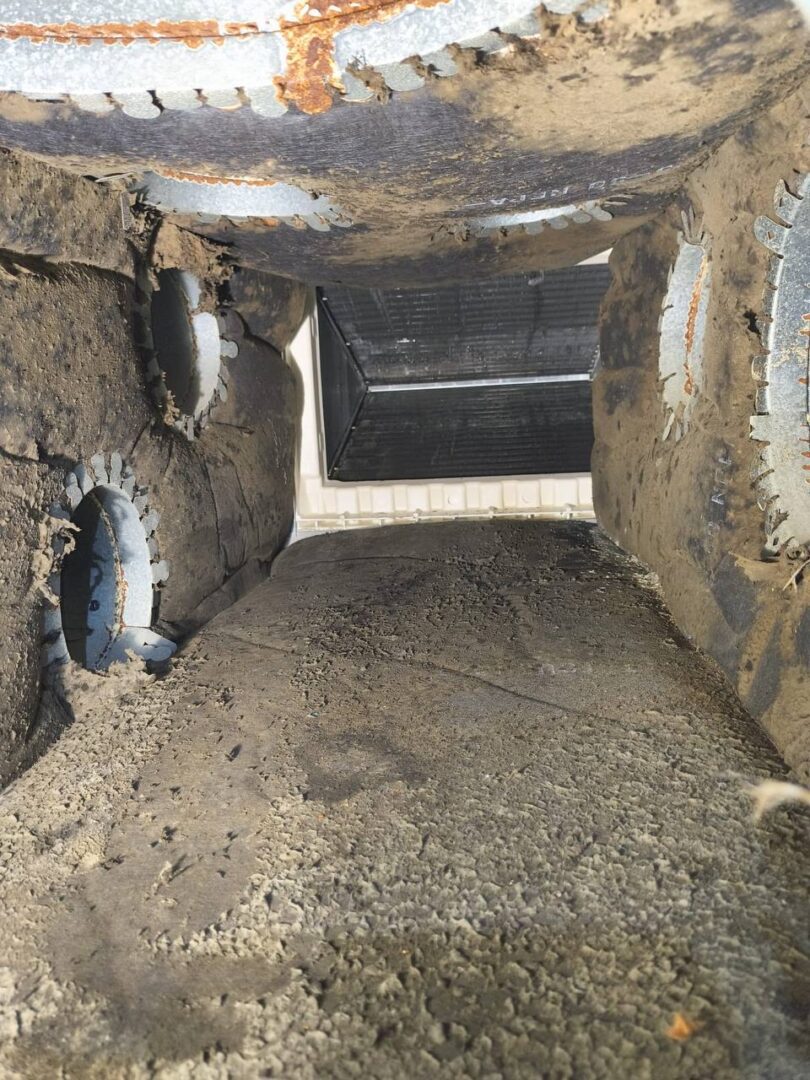
Live Oak, Texas occupies a strategic position in the San Antonio metropolitan area — situated directly on Interstate 35 in the corridor between San Antonio and Randolph Air Force Base, with the Cibolo Creek floodplain forming its eastern boundary. This location at the intersection of highway transportation, military aviation, and riparian hydrology creates an indoor air quality (IAQ) profile that is distinct among I-35 corridor communities.
Despite having a dedicated service page for Live Oak air duct cleaning and the recently published San Antonio IAQ regional guide, Live Oak has had no dedicated indoor air quality post until now. This guide fills that gap with a focused look at what makes Live Oak TX indoor air quality unique and how NADCA-certified air duct cleaning addresses the specific contaminants found in homes across this I-35 corridor community.
What Makes Live Oak TX Indoor Air Quality Different from Central San Antonio
Live Oak’s IAQ challenges are rooted in five interconnected factors that differentiate this I-35 corridor community from central San Antonio and the Hill Country suburbs:
- I-35 corridor diesel PM2.5. Live Oak is bisected by Interstate 35, one of the busiest trucking corridors in the United States. The highway carries more than 150,000 vehicles daily through the Live Oak section of the corridor, with a significant percentage of heavy diesel truck traffic. Unlike San Antonio proper where I-35 passes through a more built-up urban canyon, Live Oak’s section of I-35 has open frontage with direct line-of-sight exposure for homes and businesses. The highway’s elevated grade through portions of Live Oak means emissions disperse differently — particulates settle into neighborhoods on either side of the corridor, with homes within 0.5 miles experiencing the highest infiltration rates.
- Randolph AFB flight paths. Portions of Live Oak lie directly under Randolph AFB aircraft approach and departure patterns. The base’s T-38 Talon and T-6 Texan II trainer aircraft generate ultrafine particulates (UFPs) from jet fuel combustion that settle into neighborhoods beneath flight paths. Unlike Converse which borders the base perimeter, Live Oak’s exposure comes from overflight emissions that are dispersed across a broader area. Aircraft typically fly at lower altitudes over Live Oak during approach to Runway 15/33, meaning emissions are deposited at higher concentrations than in neighborhoods farther from the base.
- Retail corridor pollution sources. Live Oak has a dense commercial corridor along I-35 with restaurants, big-box retail, and service businesses. Restaurant exhaust (cooking emissions, grease aerosol), HVAC discharge from commercial buildings, and delivery truck idling create a complex mix of localized outdoor air pollutants. The concentration of commercial sources along the I-35 frontage means homes and businesses in the retail corridor zone experience a broader range of airborne contaminants than residential-only neighborhoods — including cooking smoke particles, commercial HVAC chemical refrigerants, and diesel particulate from delivery trucks.
- Older suburban HVAC systems. Live Oak’s housing stock is predominantly 1980s–2000s construction, meaning many homes have original HVAC equipment or first-replacement systems that lack modern filtration capabilities. Standard 1-inch fiberglass filters on older systems allow fine particulates (PM2.5 and smaller) to pass through into ductwork. Few homes in Live Oak have upgraded to MERV 11+ filtration or whole-house air purification systems. The combination of aging HVAC equipment and elevated outdoor PM loads from I-35 and commercial sources means older systems recirculate more unfiltered particulates than modern HVAC designs.
- Cibolo Creek floodplain moisture. The Cibolo Creek floodplain forms Live Oak’s eastern boundary and extends into portions of the community. The creek’s riparian zone — with mature pecan, live oak, and cypress trees — traps humidity and limits air circulation in adjacent neighborhoods. Homes in the Cibolo Creek influence zone experience indoor humidity levels 3-5% higher than homes on higher ground farther from the creek. This elevated humidity, combined with less effective moisture barriers in older homes, promotes microbial growth in ductwork, particularly at air temperature differential points where condensation forms.
Common Live Oak TX Indoor Air Pollutants
Live Oak homeowners contend with a specific mix of indoor air pollutants shaped by the I-35 corridor, Randolph AFB flight paths, and commercial zone environment:
- Diesel exhaust PM2.5. Fine particulate matter from I-35 truck traffic. Diesel PM2.5 is smaller and more chemically complex than general urban PM2.5, containing polycyclic aromatic hydrocarbons (PAHs) that adhere to HVAC components. Accumulation is highest in homes within 0.5 miles of I-35.
- Aviation ultrafine particulates. Jet fuel combustion particles from aircraft overflights on approach to Randolph AFB. UFPs are 0.1 microns or smaller — small enough to bypass standard HVAC filters and settle in ductwork. Highest in neighborhoods under approach paths to Runway 15/33.
- Commercial cooking emissions. Restaurant exhaust particles (grease aerosol, charbroiler smoke, cooking oil vapor) from the I-35 retail corridor. These are chemically distinct from traffic PM — they contain higher concentrations of VOCs and fat-based particulates that accumulate differently in ductwork.
- Mold spores. Aspergillus and Penicillium species thrive in older ductwork where Cibolo Creek floodplain humidity creates sustained moisture conditions. Homes near the creek and those with original 1980s-2000s HVAC equipment are most affected.
- Pollen (oak, grass, ragweed). Live Oak’s position in the I-35 corridor with open terrain allows wind-driven pollen to travel freely. Live oak pollen (March-April), summer grass pollen (June-August), and fall ragweed (August-October) are the primary seasonal allergens.
- HVAC system degradation particles. In homes with original HVAC equipment from the 1980s-2000s, ductwork deterioration and particulate accumulation from decades of operation contribute to indoor particulate loads.
How I-35 and Commercial Corridors Shape Live Oak Indoor Air Quality
Live Oak’s position at the intersection of I-35, Randolph AFB flight paths, and a dense retail corridor creates a multi-source pollution environment:
- I-35 proximity zones. Homes within 0.5 miles of I-35 experience the highest diesel PM2.5 infiltration rates. The highway acts as a linear emission source, and prevailing south-southeasterly winds push exhaust into neighborhoods west of the interstate. During peak traffic hours (6-9am and 4-7pm), PM2.5 concentrations in near-roadway neighborhoods can be 2-3 times higher than homes farther west. NADCA-certified duct cleaning removes accumulated diesel PM2.5 from duct surfaces.
- Aircraft overflight deposition. Randolph AFB aircraft on approach to Runway 15/33 pass over Live Oak at lower altitudes, depositing jet fuel combustion UFPs across a broad area. Unlike communities that border the base and experience ground-level emissions, Live Oak receives aviation particulates through atmospheric deposition — UFPs settle onto roofs, lawns, and HVAC intakes. Homes under the approach path’s centerline receive the highest UFP loads.
- Retail corridor cumulative burden. The I-35 retail corridor in Live Oak concentrates multiple emission sources in close proximity: restaurant exhaust, delivery truck diesel PM, commercial HVAC discharge, and parking lot re-entrained dust. Homes and businesses within the retail core experience a cumulative PM burden that is higher than either highway-only or commercial-only exposure would produce alone.
Seasonal IAQ Concerns in Live Oak TX
Live Oak’s indoor air quality varies significantly by season, with each period bringing different contaminant profiles shaped by the I-35 corridor and commercial zone environment:
- Winter (December-February): Colder temperatures mean homes are sealed tightly, trapping indoor pollutants. I-35 diesel traffic continues at high volumes. Fireplace use in older Live Oak neighborhoods adds wood smoke PM2.5. Ductwork that accumulated summer moisture and mold spores continues recirculating through sealed HVAC systems.
- Spring (March-May): Live oak pollen peak combines with ramped-up Randolph AFB flight training. Cibolo Creek floodplain moisture increases with spring rains. Restaurant patio season begins, adding outdoor cooking emissions. HVAC systems recirculate trapped winter debris plus new spring pollen.
- Summer (June-August): Peak humidity from Cibolo Creek floodplain coincides with peak ozone transport. I-35 traffic volumes peak during summer travel. Commercial HVAC systems run at maximum capacity, drawing more unfiltered outdoor air into retail spaces and adjacent residential zones.
- Fall (September-November): Ragweed season peaks. Randolph AFB training continues into November. Holiday retail traffic increases commercial corridor emissions. Fall is the ideal time for duct inspection and cleaning before winter sealing.
When Live Oak Homeowners Should Consider Duct Cleaning for Better IAQ
These Live Oak-specific scenarios suggest it may be time for a professional duct inspection and cleaning:
- Visible dark dust on registers near I-35. If you notice a dark, oily dust on HVAC supply registers in a home within 0.5 miles of I-35, this is likely diesel PM2.5 mixed with household dust. Diesel exhaust PM has a distinct gray-black color and oily texture. NADCA-certified cleaning removes accumulated diesel particulates from duct surfaces.
- Musty odors near Cibolo Creek. If your property is within the Cibolo Creek floodplain zone and you notice persistent musty smells when the HVAC runs, floodplain humidity is likely feeding microbial growth in ductwork, particularly in older homes with original 1980s-2000s HVAC equipment.
- Unexplained respiratory symptoms during Randolph AFB training periods. If family members experience scratchy throats or eye irritation during peak flight training periods (spring and fall), aviation UFP deposition from aircraft overflights may be contributing to indoor particulate loads.
- HVAC filters darkening quickly. If your HVAC filter darkens significantly within 2-3 weeks of replacement and you live near I-35 or under flight paths, accumulated fine particulates in ductwork are being recirculated and captured by the filter.
- Older HVAC system with no filter upgrade. If your home has original HVAC equipment from the 1980s-2000s with standard 1-inch fiberglass filters, fine particulates are passing through into your ductwork. A duct inspection can assess current accumulation levels.
- NADCA 3-5 year cleaning cycle. NADCA recommends duct inspection every 2-3 years with cleaning based on findings. Live Oak homes near I-35, under Randolph AFB flight paths, adjacent to Cibolo Creek, or with original 1980s-2000s HVAC equipment should consider a 1-2 year inspection interval.
Frequently Asked Questions About Indoor Air Quality in Live Oak TX
How does living near I-35 affect indoor air quality in Live Oak?
Interstate 35 carries more than 150,000 vehicles daily through Live Oak. Homes within 0.5 miles of the highway experience elevated diesel PM2.5 infiltration through HVAC return air intakes. Diesel exhaust contains fine particulates and PAHs that accumulate in ductwork. NADCA-certified duct cleaning removes accumulated diesel PM2.5 from duct surfaces, reducing re-entrainment during HVAC operation.
Does Randolph Air Force Base affect indoor air quality in Live Oak?
Yes. Portions of Live Oak lie under Randolph AFB aircraft approach and departure patterns for Runway 15/33. T-38 Talon and T-6 Texan II trainer aircraft generate ultrafine particulates (UFPs) from jet fuel combustion that settle onto homes through atmospheric deposition. These sub-0.1 micron particles bypass standard HVAC filters and accumulate in ductwork.
Does the I-35 retail corridor affect indoor air quality in Live Oak?
Yes. Live Oak’s dense commercial corridor along I-35 introduces restaurant exhaust (cooking emissions, grease aerosol), HVAC discharge from commercial buildings, and delivery truck diesel particulates. Homes and businesses in the retail corridor zone experience a cumulative PM burden from multiple commercial sources in close proximity.
Does Cibolo Creek affect indoor air quality in Live Oak?
Cibolo Creek forms Live Oak’s eastern boundary and creates a riparian zone that traps humidity. Homes near the creek experience 3-5% higher indoor humidity than homes on higher ground, promoting microbial growth in ductwork, particularly in older homes with original HVAC equipment and less effective moisture barriers.
How often should Live Oak homeowners clean their air ducts?
NADCA recommends duct inspection every 2-3 years with cleaning based on findings. Live Oak homes near I-35, under Randolph AFB flight paths, adjacent to Cibolo Creek, or with original 1980s-2000s HVAC systems should consider a 1-2 year inspection interval. Standard homes away from these exposure zones may follow the 3-5 year cycle.
Does AH-CHOO serve the Live Oak TX area?
Yes. AH-CHOO provides NADCA-certified air duct cleaning and HVAC sanitation services throughout the Live Oak TX area, including all neighborhoods along the I-35 corridor, under Randolph AFB flight paths, near Cibolo Creek, and throughout the retail corridor zone. Contact us to schedule a free in-home IAQ assessment.
Disclaimer: This information is for educational purposes only. AH-CHOO’s air duct cleaning services are designed to improve HVAC system cleanliness and indoor air quality but do not prevent illness, cure allergies, or guarantee specific health outcomes. Individual results vary. Always consult a qualified healthcare provider for health concerns related to indoor air quality.