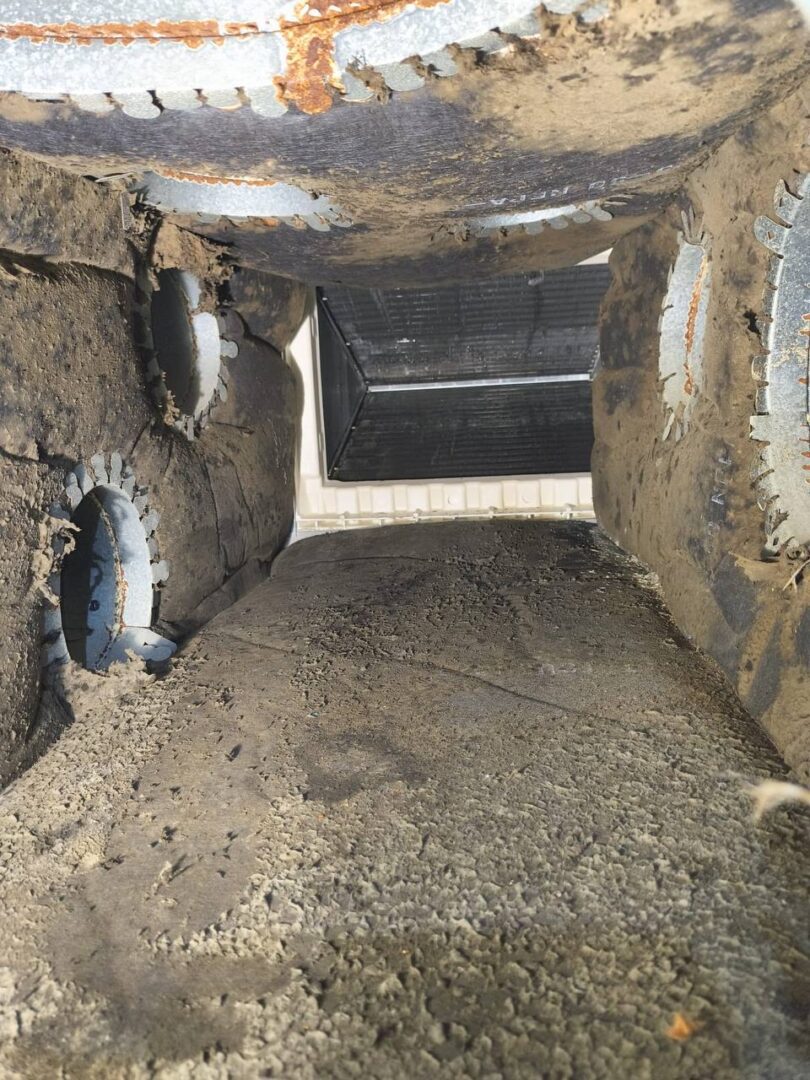
The Woodlands pine pollen season is unmistakable — the yellow powder that covers cars, porches, and every outdoor surface from March through April is a community ritual. What most homeowners don’t think about is where all that pollen goes when the HVAC system runs. With more than 28 million trees across the community, The Woodlands delivers a spring pollen load to residential HVAC systems that no other Houston suburb can match — and it accumulates inside ductwork, on blower wheel fins, and across evaporator coil surfaces with every run cycle.
Why Does The Woodlands Have Worse HVAC Pollen Problems Than Other Houston Suburbs?
The Woodlands was developed as a master-planned forest community — that design decision is central to its appeal and to its spring pollen challenge. The canopy density here is substantially higher than in clear-cut suburban developments, meaning homeowners are surrounded by active pollen sources within feet of their homes rather than on distant lots.
The spring pollen sequence in The Woodlands is layered across multiple tree species:
- Pine pollen (February–April): The yellow powder iconic to The Woodlands. Pine pollen particles are large and visible, which is why they cover surfaces so dramatically. They coat outdoor equipment and enter homes through doors, windows, and HVAC return systems.
- Oak pollen (March–April): Smaller, lighter particles — these travel further and penetrate HVAC systems more easily than pine. The Woodlands’ mature oak canopy makes this a particularly high-volume pollen source.
- Elm and cedar (overlapping winter–spring transition): Cedar pollen lingers from the winter season and overlaps with early pine and oak, creating a compound accumulation on duct surfaces before the peak spring window even arrives.
By mid-March, a Woodlands HVAC system that hasn’t been professionally cleaned is carrying residue from at least three concurrent pollen types. Filters help with the active airstream — but they can’t clean the blower wheel fins, duct walls, and air handler interior where this accumulation concentrates most densely.
What Pine Pollen Does Inside Woodlands HVAC Systems
The visible yellow coating pine pollen leaves on outdoor surfaces is misleading about what’s happening inside the HVAC system. The large, visible pine pollen grains are the ones that settle on car hoods and porches. HVAC systems are more affected by the smaller particles — oak, elm, and biological debris — that infiltrate through return grilles and gap points in the duct system.
However, pine pollen does enter the system, and its organic composition creates a specific problem: it provides a rich nutrient substrate for biological growth when combined with the moisture that accumulates in The Woodlands’ humid spring environment. Post-rain humidity events — common in March and April — deposit moisture onto duct surfaces already coated with pine and oak pollen residue. That combination creates favorable conditions for mold and bacterial growth inside the mechanical components.
What accumulates on Woodlands HVAC interiors by peak spring season:
- Pine pollen coating on blower wheel fins — reduces airflow capacity and efficiency
- Oak pollen on duct walls and air handler surfaces — re-suspended on every run cycle
- Cedar and elm residue from the winter–spring transition — sticky, fine particles that anchor subsequent seasonal deposits
- Biological growth seeded by post-rain humidity events on pollen-coated surfaces
The result: each time the system runs, the blower redistributes accumulated particles into the living space. Woodlands homeowners who stay indoors during high-pollen days are still cycling the accumulated season through their air system on every run.
Why Filter Changes Aren’t Enough in a Forested Community
The standard advice — change filters every 1–3 months during pollen season — is good baseline practice. In The Woodlands, it’s not sufficient on its own.
Filters capture particles in the active airstream. They do not clean the blower wheel, the duct walls, the evaporator coil area, or the air handler interior. In a community with The Woodlands’ tree density, the volume of pollen entering the system during peak season overwhelms filter capacity faster than in other suburbs. Filters clog more quickly, airflow restriction increases, and the system pushes harder — depositing more particulate on the mechanical components that a filter never reaches.
Majestic AC, an HVAC service company active in The Woodlands, recently noted that the community “experiences some of the highest pollen counts in Texas” and recommended filter changes as the primary response. That’s accurate maintenance advice — but it addresses what comes through the filter, not what’s already accumulated on the system components behind it.
Related: The Woodlands spring allergy season and your air ducts | What blower wheel cleaning covers — and why most companies skip it
What a Full-System NADCA Cleaning Removes in The Woodlands
AH-CHOO! Indoor Air Quality has been NADCA certified for 38 years and serves The Woodlands and surrounding Montgomery County communities. A complete residential cleaning is a full-day service — approximately seven hours — covering the entire interior system:
- All supply and return ductwork
- The blower wheel and air handler interior — where pine and oak pollen accumulation is heaviest
- Evaporator coil area
- All registers and grilles
One job per day, per crew. In a community with The Woodlands’ pollen density, the mechanical components — especially the blower wheel — require the time a thorough source-removal cleaning actually takes. A service that completes multiple jobs in a day is not spending adequate time on the components where seasonal accumulation concentrates most heavily.
For Woodlands homeowners, the optimal window is before peak pine and oak pollen season — late February to early March. The second-best window is during or immediately after peak, removing the current season’s buildup before summer humidity creates conditions for biological growth in the contaminated system.
Also see: Houston spring pollen and indoor air quality | Why spring rain makes Houston HVAC mold risk worse
Frequently Asked Questions
Why is pine pollen so visible in The Woodlands?
Pine pollen grains are large enough to be seen with the naked eye — the yellow powder that coats cars and surfaces in The Woodlands each spring is pine pollen. The community’s 28 million+ trees include a high density of loblolly pine, making this one of the most visually dramatic pollen events in the Houston area. The visible pine pollen is accompanied by less visible oak, elm, and cedar particles that are smaller and penetrate HVAC systems more readily.
Does pine pollen actually enter HVAC ducts?
Yes, through return air grilles, building envelope gaps, and any infiltration points. Once inside the system, pine pollen deposits on blower wheel fins, duct walls, and air handler surfaces alongside the smaller oak and elm pollen particles. The combination of organic pollen material and spring humidity creates conditions for biological growth on contaminated interior surfaces.
How often should Woodlands homeowners clean their air ducts?
The Woodlands’ exceptional tree density and year-round pollen calendar — cedar in winter, pine and oak in spring, grass in summer — means HVAC systems accumulate contamination faster than in other Houston suburbs. Many Woodlands homeowners with allergy-sensitive households find a professional cleaning every 2–3 years appropriate, with timing optimized to remove winter-spring accumulation before peak summer humidity.
Is changing filters enough for spring pollen season in The Woodlands?
Filter changes are essential but don’t address what has already accumulated on the blower wheel, duct walls, and air handler interior. In The Woodlands, where pollen volume is among the highest in the Houston metro, filters tend to clog faster than in other suburbs — accelerating the accumulation cycle on the mechanical components filters don’t reach. Professional NADCA-standard cleaning removes the source contamination that filter maintenance alone cannot address.
Does AH-CHOO! serve The Woodlands area?
Yes. AH-CHOO! Indoor Air Quality serves The Woodlands and the broader north Houston and Montgomery County area. We are NADCA certified with 38 years of experience. Contact us for a free inspection.
AH-CHOO! Indoor Air Quality is NADCA certified and serves The Woodlands and greater Houston area. Contact us for a free inspection.
Related Service Areas
- Multi-Pollen Houston HVAC in Spring
- Houston Spring Pollen & Ozone Indoors
- Spring Pollen Duct Cleaning in Houston 2026
- Is Duct Cleaning Worth It for Houston Spring Allergies?
Related AH-CHOO resources: Houston air duct cleaning; schedule a free inspection.