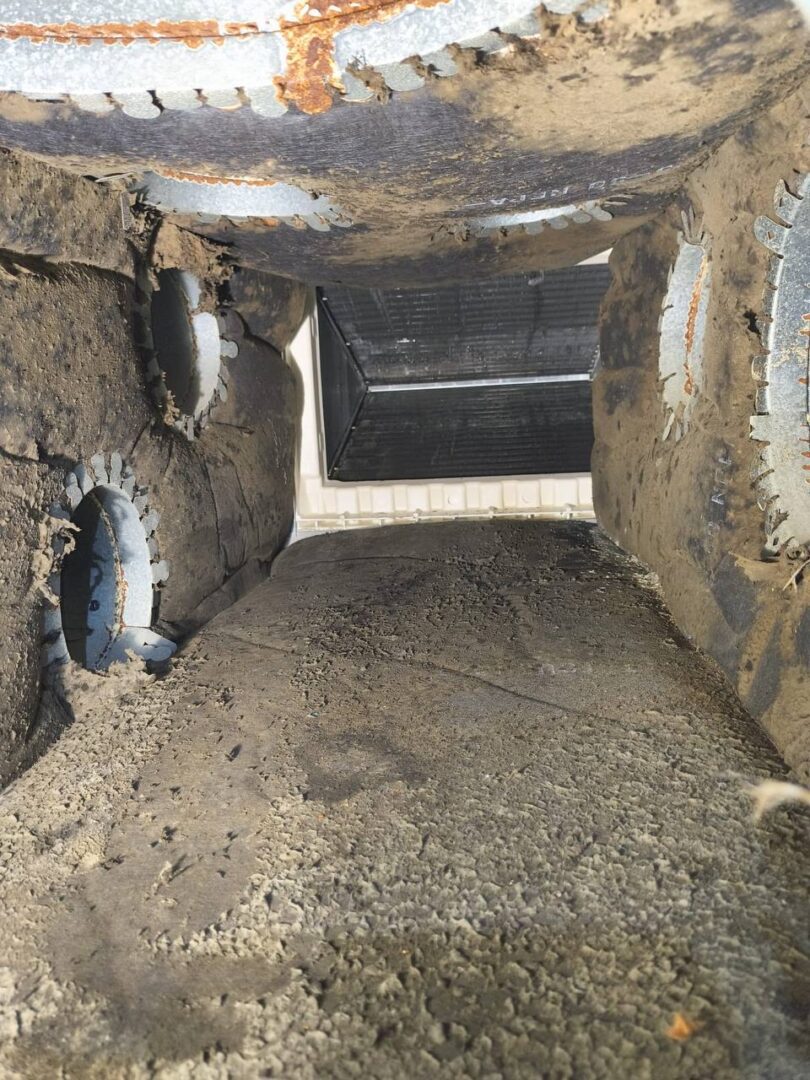
Houston doesn’t have one allergy season — it has three, running back-to-back from December through July. Cedar pollen leads, live oak follows, and grass pollen closes it out. Right now, in mid-March, Houston is inside the most aggressive overlap window of the year: oak pollen at peak and grass pollen beginning to rise. For your HVAC system, this multi-pollen transition is when accumulation inside ducts, coils, and blower housings happens fastest.
What Is Houston’s Multi-Pollen Season?
Most cities have a spring allergy season. Houston has a multi-pollen cascade that runs for seven months. Understanding the sequence matters because each pollen wave leaves residue inside your HVAC system, and the next wave piles on top of it.
The Houston pollen calendar runs like this:
- December – February: Mountain cedar pollen — Houston’s most notorious allergen. Cedar releases in cold, dry weather and can send pollen counts into the thousands
- March – April: Live oak pollen peaks. The Houston Health Department reports “Very Heavy” tree pollen counts through mid-April. Oak pollen is sticky and adheres strongly to HVAC surfaces
- Late April – July: Grass pollen season begins. Bermuda grass, Johnson grass, and Bahia grass — the dominant lawn grasses in Houston — release pollen continuously through summer
The critical window is right now: March through May. This is when the oak-to-grass overlap begins, meaning your HVAC system is simultaneously processing the tail end of cedar season residue, peak oak pollen, and rising grass pollen. No other window in Houston’s allergy calendar creates this multi-source accumulation pressure on indoor air systems.
Why This Multi-Pollen Transition Matters for HVAC Systems
Each pollen type has different physical properties that determine how it behaves inside your ductwork:
- Cedar pollen: Lightweight and travels far. Enters through return registers and settles throughout the duct system during the winter months when Houston homes are still running heat
- Oak pollen: Sticky and heavy. Clings to surfaces it contacts — particularly blower wheels, coil fins, and duct bends. Difficult to dislodge without mechanical cleaning
- Grass pollen: Fine and highly allergenic. Passes through standard filters more easily than larger pollen types. Bermuda grass pollen is one of the most potent airborne allergens in Texas
When these three types accumulate together — as they do during the March-May overlap — you have a layered accumulation problem. Cedar residue from winter provides a base layer. Oak pollen sticks to it and to system surfaces. Grass pollen then infiltrates and adds to the load. Your HVAC is recirculating all of it continuously.
The Houston Runtime Factor
Houston homeowners run their HVAC systems eight to ten months per year. This isn’t a minor detail — it’s the reason Houston homes accumulate allergens in duct systems at a rate that significantly exceeds homes in other climates.
Consider: a Houston home running its AC from March through November has the system operating for nine months. A home in a northern climate might run its system for four to five months total. That means a Houston HVAC system processes roughly twice the volume of pollen-laden air per year. The accumulation inside ducts reflects this.
During the multi-pollen overlap window in spring, your system runs constantly. Every morning when pollen counts are highest — typically between 5 and 10 AM, before afternoon winds disperse concentrations — your return registers are actively drawing that air into the system.
What Happens When Multi-Pollen Accumulation Meets Gulf Coast Humidity
Houston’s spring humidity averages 75-80% in the early morning hours. When your HVAC runs at night and into the morning, it draws humid outdoor air across the cooled evaporator coil. Condensation forms on coil surfaces — this is normal and expected. What’s not ideal is what happens when that condensation mixes with accumulated organic pollen material.
Pollen is organic material. In dry conditions, it’s essentially dust. In Houston’s spring humidity, it becomes a nutrient-rich substrate for mold. The evaporator coil — always moist during operation — is the primary site where pollen-to-mold transition happens in Houston homes.
The result: by late May, an uncleaned Houston HVAC system may be carrying accumulated residue from three full pollen seasons, with mold colonies established in the moisture-rich areas of the coil and blower assembly. The system then circulates both allergens and mold spores throughout the home.
Signs Multi-Pollen Season Is Affecting Your Indoor Air
Houston homeowners often notice these patterns during the March-May overlap window:
- Allergy symptoms that improve when outside but worsen when the AC is running
- Morning sneezing that occurs specifically when the system first starts up
- A musty or earthy smell from supply registers — particularly in the afternoon when the system has been running for hours
- Increased dust accumulation on furniture surfaces near supply registers
- Allergy medication that controls outdoor symptoms but doesn’t seem to work as well indoors
What Professional Cleaning Addresses
AH-CHOO! Indoor Air Quality has been cleaning Houston HVAC systems for 38 years. We are NADCA certified and follow the ACR (Assessment, Cleaning, and Restoration) standard for complete system cleaning.
During multi-pollen season, a thorough professional cleaning removes accumulated material from:
- All supply and return ducts throughout the home
- The blower wheel and motor assembly — where oak pollen adhesion is typically most significant
- The evaporator coil and condensate pan — the mold risk area in Houston’s humidity
- Supply and return plenums
- All registers and grilles
We schedule one job per day, which allows our technicians to spend the full seven hours a proper cleaning requires. Free inspections are available before any service commitment.
Frequently Asked Questions
What is Houston’s multi-pollen season?
Houston experiences three consecutive pollen waves: cedar (December-February), live oak (March-April), and grass (April-July). These waves overlap in spring — particularly March through May — creating a period when HVAC systems accumulate multiple pollen types simultaneously.
Why does spring pollen season affect Houston HVAC systems differently?
Houston homeowners run their AC 8-10 months per year — far more than northern climates. More runtime means more pollen-laden air cycling through the system. Combined with Gulf Coast humidity that turns accumulated pollen into a mold substrate, Houston HVAC systems face a significantly higher allergen accumulation rate.
When does the cedar-to-oak-to-grass transition happen in Houston?
Cedar pollen peaks in January-February. Live oak takes over in March. Bermuda and Johnson grass pollen begins overlapping in late April. By May, Houston HVAC systems are processing all three pollen types simultaneously — this overlap period is when duct accumulation is most rapid.
What are the signs that multi-pollen season is affecting indoor air quality?
Common signs include allergy symptoms that persist indoors with windows closed, a musty or earthy smell when the AC runs, increased sneezing in the morning when the system starts up, and allergy symptoms that vary depending on whether the AC is running.
Is a single duct cleaning enough to address multi-pollen accumulation?
A NADCA-standard full system cleaning removes accumulated pollen, organic material, and debris from all system components. For Houston homes with multiple allergy seasons’ worth of accumulation, one thorough 7-hour professional cleaning addresses the complete system.
Does changing air filters help during Houston’s multi-pollen season?
Changing filters regularly during pollen season is important and helps reduce new pollen entering the system. However, filter changes do not address pollen that has already accumulated inside ducts, blower housings, and on coil fins from prior weeks or seasons.
Houston’s multi-pollen overlap window is open right now. If your HVAC system hasn’t been professionally cleaned since before cedar season began, it may be carrying residue from multiple pollen waves. Schedule a free inspection to assess what’s accumulated before the grass pollen season adds a third layer to the load.
AH-CHOO! Indoor Air Quality — NADCA Certified — 38 Years Serving Houston
For more on Houston indoor air quality and HVAC care, see what spring pollen does to Houston indoor air.
For more on Houston indoor air quality and HVAC care, see how Houston’s outdoor air pollution gets inside your home.
Related: indoor air quality during Houston spring.
Related Service Areas
- Warehouse Duct Cleaning in Houston
- Daycare Air Quality in Texas
- Property Management Duct Cleaning
- Restaurant HVAC Cleaning Requirements in Texas
Related AH-CHOO resources: Houston air duct cleaning; schedule a free inspection.